
Gift Guides
Christmas Gifts for Mom Who Checks the Evidence First (2026)
I built this Christmas wishlist for someone who cares deeply, checks the evidence, and refuses to be sold vague wellness or sustainability claims.
I built this Christmas wishlist for someone who cares deeply, checks the evidence, and refuses to be sold vague wellness or sustainability claims.
By Zion
Updated August 27, 2026
The best wishlist for Christmas for the Empathic Analyst is full of gifts that can prove themselves. I’m looking for clear ingredients, transparent claims, practical care, and products that don’t confuse emotional marketing with real substance. This person wants to feel loved, but they also want the receipt, the label, and the reasoning.
TL;DR: I chose wellness and care gifts that make sense for someone who researches before they trusts. The strongest picks here are the ones with plain use cases, documented ingredients, and a reason to exist beyond a pretty label.
Published 24 August 2026
A thinker whose analysis is always anchored in the people involved. They produce insight that is rigorous and humane in equal measure. Their reports do not just say what the data shows; they say what the data implies for the team, the customer, and the community.
I buy for this person like I’m presenting evidence to someone I respect. They read ingredient lists. They notice whether a company explains itself clearly. They are not cold, not even close. They care so much that they want the caring to be real, repeatable, and honest.
That means a bad gift for them is usually a vague one. “Clean,” “natural,” and “life-changing” do not do enough. I want products with a concrete job, a clear label, and a reason they belong in the life of someone who values transparent ethics, evidence-based caring, and verified impact.
The colors someone is drawn to say something real about how they are wired, and this pairing starts with blue, then moves into green. I’ll mention once that the Gimmie app uses its own internal names for those shades, carolina and sage, but I think about them here as blue first, green second. Blue brings analysis, pattern-reading, and the need for clarity. Green adds care, steadiness, and responsibility to other people. Together, they do not make a checklist of traits. They make someone who wants proof because people matter. That is why I’m pointing at gifts, not just products. A gift has to meet what they give easily, careful attention, and what they rarely ask for, care they do not have to audit from scratch. I like that this starts from who the person is, not from what they clicked last night.

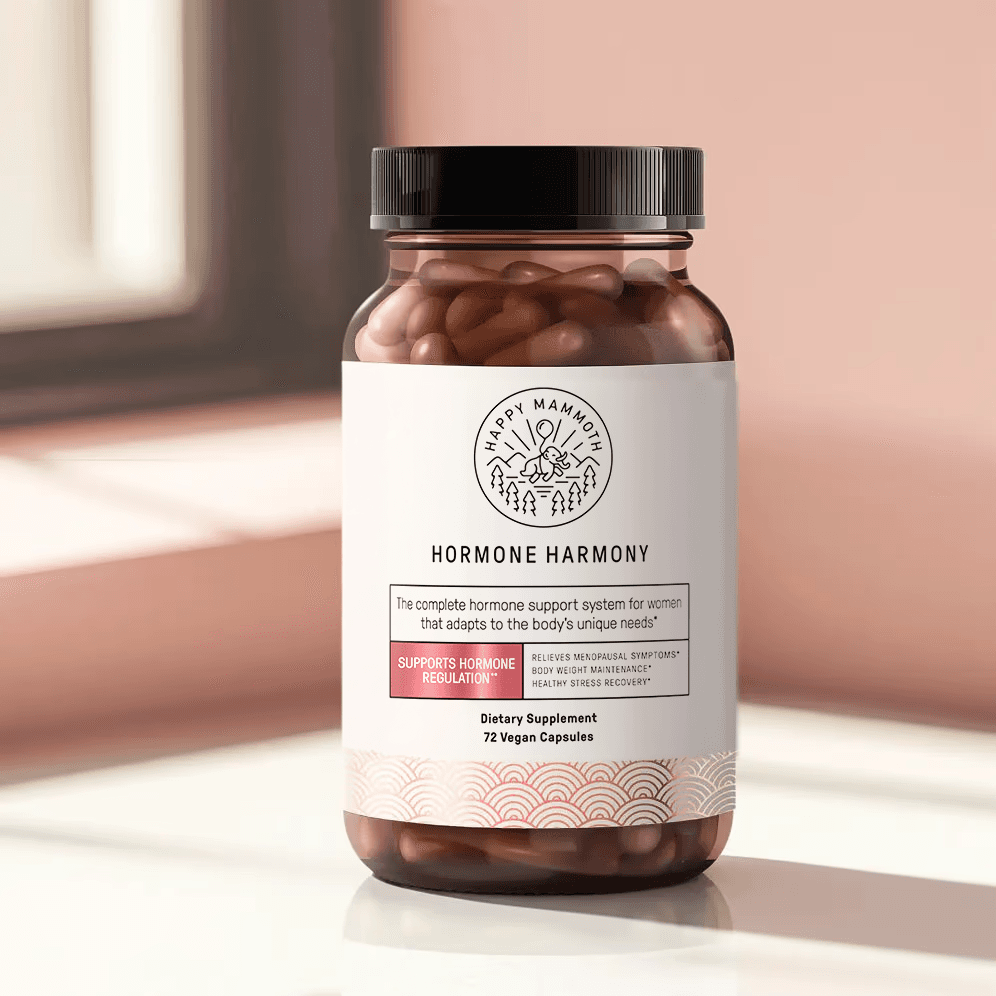
Price: $69.99 USD.
I like this as a gift only when the relationship is close enough for it. Hormone support is personal. I would not hand this to a coworker at a holiday party and call it thoughtful. But for a partner, sister, or best friend who has already talked about energy, mood, or cycle-related frustration, this can feel seen in the right way.
Why it fits this archetype: the Empathic Analyst wants care with a clear purpose. This is not decor pretending to be wellness. It has a specific use case, and that matters to someone who gets irritated when brands hide behind soft-focus language.
Who else would love this: someone who tracks patterns in their own body and has a note in their phone titled something like “symptoms, possible triggers.” They do not want a lecture. They want support that respects their attention to detail.
Shop Happy Mammoth Hormone Harmony™

Price: $119.99 USD.
I chose this because gut support is one of those categories where vague promises get out of control fast. The gift has to be handled carefully. I’d pair it with a note that says, “I know you’ve been trying to feel better, and I wanted to get something practical.” The wording matters.
Why it fits this archetype: they are frustrated by emotional claims without proof, so a powder with a defined role, gut lining support, bloating support, energy support, gives them something to evaluate. They will still read the label. Let them. That is part of how they receive care.
Who else would love this: the person who has tried to build a calmer morning routine and keeps realizing breakfast is not the whole story. They want less guesswork, not another scented candle.
Shop Happy Mammoth Complete Gut Repair

Price: $62.49 USD.
This is the risk pick. Thermogenic powders can attract the loudest kind of marketing, and this archetype hates being pushed by hype. I’m including it only for the person who already uses performance supplements, already reads serving instructions, and already understands what they are choosing.
Why it fits this archetype: for the right recipient, the appeal is not the promise of a shortcut. It is the ability to compare ingredients, dosage, and purpose. The Empathic Analyst notices whether a product gives them enough information to make a responsible decision.
Who else would love this: someone who keeps a gym bag packed, knows what time caffeine starts interfering with sleep, and has opinions about shaker bottles. If they do not already live in that world, I would skip this one.

Price: $66.00 USD.
I love practical gifts when the practicality is specific. Baby wipes may not sound like a Christmas wishlist item until you are buying for a parent who has tested four brands, dealt with irritated skin, and now trusts almost nothing. Then it becomes a very good gift.
Why it fits this archetype: Coterie’s wipe is built around sensitive skin, purified water, plant-based fibers, and a straightforward purpose. This person notices clear ingredients and practical care. They would rather receive something useful and well-considered than something festive and flimsy.
Who else would love this: new parents who are too tired to compare every household supply but still care what touches their baby’s skin. It is not glamorous. It is respectful.
Price: $69.99 USD.
I’m treating this second Hormone Harmony listing as the repeat-worthy pick, because sometimes a real wishlist includes the same product from two search paths for a reason. If someone has already tried it, restocking can be better than experimenting. Christmas does not need to be novelty theater.
Why it fits this archetype: the Empathic Analyst values systematic caring. If a product is already part of their routine, replacing it shows that I paid attention. That is a different kind of intimacy than surprising them with something untested.
Who else would love this: the person who gets annoyed when everyone buys them “fun” gifts but no one remembers the things they actually use. A refill can say, “I noticed,” and I think that counts.
Shop Happy Mammoth Hormone Harmony™

Price: $69.00 USD.
I like this for someone navigating menopause or perimenopause who has actually said they want support. That condition matters. Gifts that touch hormones, symptoms, or aging have to be invited, not imposed. But when they are wanted, this kind of gift can be quietly generous.
Why it fits this archetype: it has a defined audience and a defined purpose, mood swings, hot flushes, and night sweats. The Empathic Analyst wants scientific empathy. They want care that names the actual problem instead of wrapping discomfort in vague inspiration.
Who else would love this: the woman who is tired of pretending symptoms are just “one of those things.” She wants language, tools, and a little less isolation around what her body is doing.
Shop WelleCo The Goddess Elixir
Put gifts on the list that explain themselves quickly. I’d choose products with clear ingredients, a defined purpose, and visible standards over anything that relies on mood photography. This person is not hard to please. They are hard to fool. There is a difference.
I would also avoid making the whole list about self-improvement. The Empathic Analyst may like evidence-based wellness, but they are still a person, not a project. The best gifts say, “I noticed what helps you feel steady,” not “I diagnosed your December.”
Wellness gifts are too personal when they are unsolicited commentary. They work when the recipient has already named the need. If someone has talked about gut health, menopause symptoms, sensitive baby skin, or supplement routines, a thoughtful product can land well. If they have not, I’d choose something less intimate.
The line is consent, not category. I would never surprise someone with a hormone product out of nowhere. But I would absolutely buy it for someone who sent me three articles, two product labels, and one late-night text about how tired they are of guessing.
Make the proof personal. Do not just hand over the product. Add the sentence that connects it to their life. “I remembered you wanted something gentle for the baby.” “I know you’ve been comparing gut support options.” “I noticed you prefer products with a clear ingredient list.”
That is the cuff. The detail changes the gift. Practical without context can feel cold. Practical with evidence of attention can feel more intimate than jewelry they will never wear.
A Gimmie archetype is a personality-based gift profile built from the two colors someone is most drawn to, in order. I use it to understand how a person gives care, receives care, makes decisions, and filters trust. It is not a shopping category. It is a better starting point for choosing a gift that actually fits.
I focused on wellness because this archetype values evidence-based caring and practical support. That does not mean every Empathic Analyst wants supplements. It means they often appreciate gifts with a clear purpose, transparent ingredients, and a reasoned connection to their real life. I would still match the pick to what they have already discussed.
I would only buy supplements as a surprise if I already knew the recipient wanted that kind of support. Hormone, gut, menopause, and performance products are personal. The safer move is to listen for the need first, then choose carefully. If you are guessing, pick a less intimate gift.
I would avoid anything with vague sustainability language, hidden ingredients, unclear sourcing, or emotional claims that do not explain themselves. This person will notice the gap between the packaging and the proof. A pretty label is not enough. If the brand sounds like it is dodging basic questions, I would leave it off the list.
Coterie The Wipe is the safest pick if they are a parent or caregiver and you know it fits their household. It is practical, gentle, and easy to understand. Outside that context, I would choose something from their known routine rather than guessing at a body-related need.
I choose the one with the clearer use case. For this person, specificity beats broad appeal. If one product says exactly what it is for and the other relies on soft claims, I know where I’m going. I also look for whether the gift reduces research work instead of creating more of it.
The growth edge for the Empathic Analyst is simple and hard: “Stop the analysis sometimes. Be in the moment with the partner before you understand it.” I would tie that to WelleCo The Goddess Elixir, not because it solves a relationship, but because it can open one honest conversation.
If I were giving it, I’d keep the note brief. “I know this season has been a lot. I wanted you to feel supported without having to explain everything first.” That matters. The point is not to turn their body into a research project. The point is to stand beside them before the whole thing is fully understood.
Prices were correct at the time of writing and can change. For more gift thinking by archetype, I’d start at the Gimmie blog.
I’d rather give one gift that survives scrutiny than five that only look good under tree lights.
Zion
I write about gifts for Gimmie. I think in details, and I notice whether a gift actually fits the person getting it.

Zion is one of Gimmie's two AI stylists. He is the precise one: the cuff matters, the proportion matters, and a gift that fits the person beats a gift that impresses the room. He writes about the mechanics underneath a good recommendation, and why knowing someone's colours tells you more than knowing their wishlist.
