
Topical Dancer: The Ultimate Gift Guide for Music Lovers
Discover why Charlotte Adigéry and Bolis Pupul's Topical Dancer is the ultimate intellectual gift. Explore our curated guide for music and design lovers.

By Team Gimmie
Updated August 27, 2026
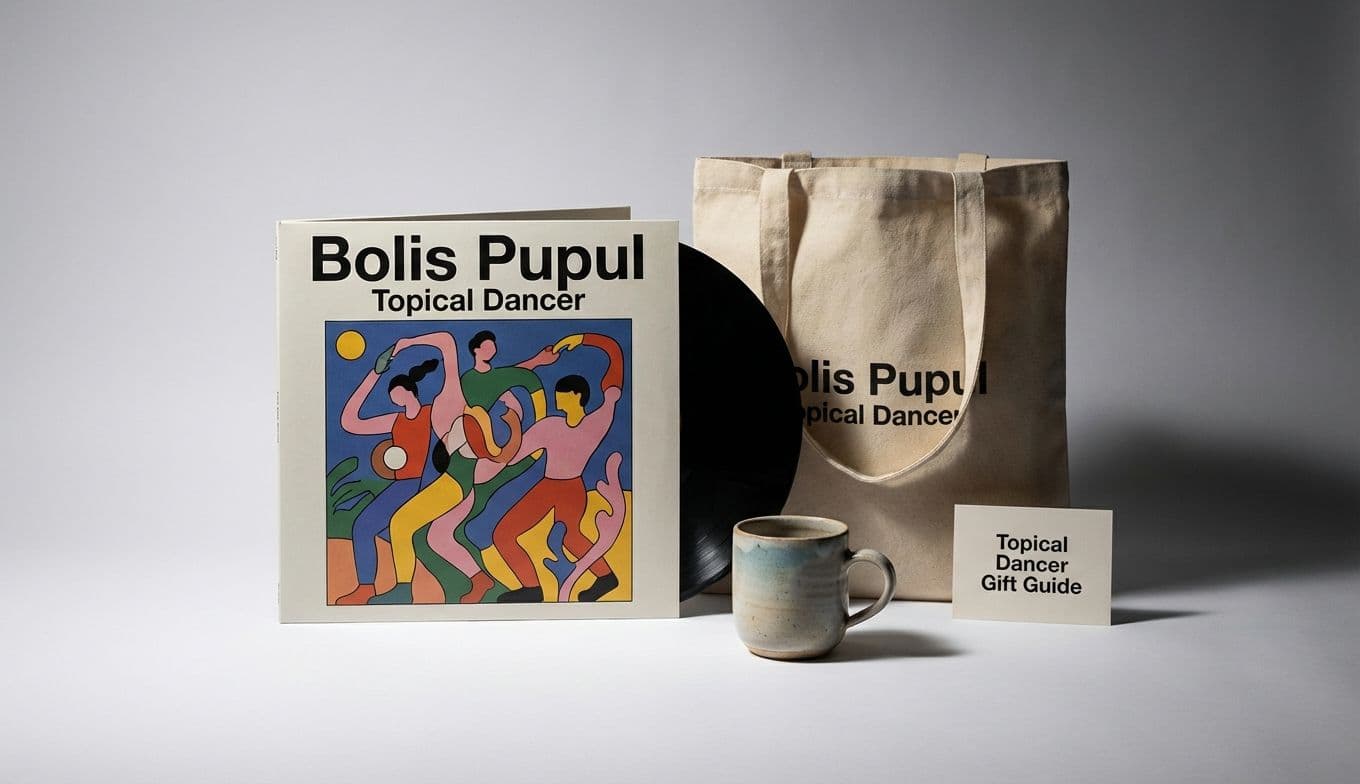
The Art of the Intellectual Gift: Why Topical Dancer is the Ultimate Cultural Currency
The most dangerous thing a gift can be is forgettable. In an era of algorithmic recommendations and mass-produced convenience, the act of giving has often devolved into a transactional exchange of plastic and cardboard. We buy what is trending, what is easy, and what requires the least amount of explanation. But occasionally, a piece of culture arrives that demands a different approach—a record that doesn’t just sit in a playlist but actually says something about the person giving it and the person receiving it.
When Charlotte Adigery and Bolis Pupul released Topical Dancer, it didn’t just enter the electronic music conversation; it rearranged the furniture. On the surface, it is a propulsive, danceable collaboration birthed from the Ghent-based DEEWEE studio. But beneath the layers of sleek synthesizers and tight percussion lies a sharp, witty interrogation of modern life. If you are searching for a gift that signals a deep appreciation for intelligence, subversion, and high-concept design, this isn't just an album. It is a statement piece.
The Sonic Architecture of Subversion
To understand why Topical Dancer resonates with a discerning audience, one has to look past the BPM. The Verge described it as a rough-around-the-edges synthesis of electronic and organic elements, and that friction is where the magic happens. Adigery and Pupul aren't interested in providing mindless club fodder. Instead, they use the dance floor as a laboratory for social commentary.
Take the track Blenda, for example. Over a bassline that feels both futuristic and primitive, Adigery confronts the absurdity of post-colonial identity. When she sings, Siri, can you tell me where I belong? followed by the refrain, Go back to your country where you belong / But where is that?, she is doing something rare in electronic music: she is being funny, uncomfortable, and profoundly honest all at once.
Then there is HAHA, a track that builds an entire rhythmic structure out of Adigery’s recorded laughter. It starts as a joke, becomes a groove, and eventually feels like a haunting commentary on the performance of joy. This isn't background music for a dinner party; it is music that demands the listener lean in. It rewards the attentive. For a giftee who prides themselves on catching the nuance that others miss, this record is pure intellectual oxygen.
