
Netflix Senate Hearing: Impact on Subscription Costs & Content
Analyze how the Netflix Senate hearing on antitrust and the Warner Bros. Discovery partnership could impact your subscription costs and content quality.

By Team Gimmie
Updated August 27, 2026
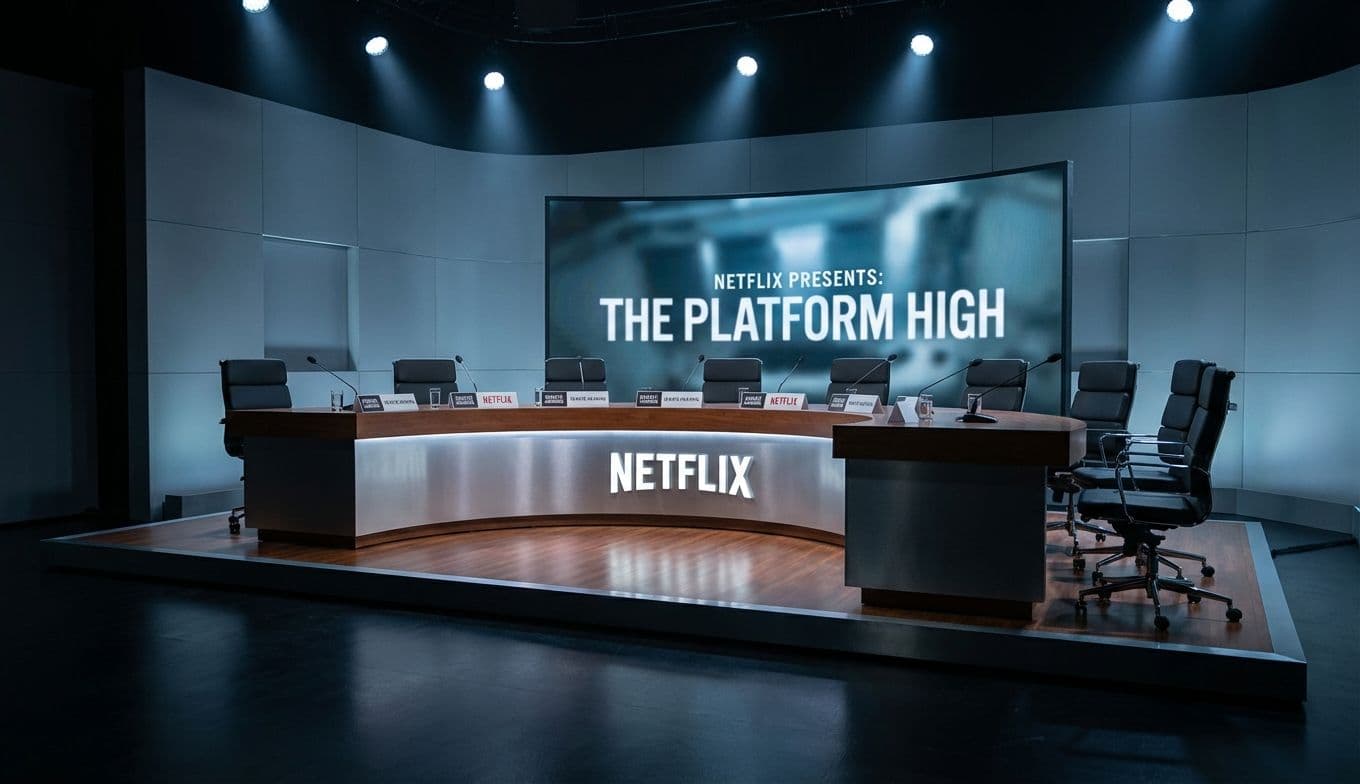
THE COST OF CONTENT: WHAT THE NETFLIX SENATE HEARING REVEALS ABOUT YOUR NEXT SUBSCRIPTION
On a recent Tuesday on Capitol Hill, the atmosphere felt more like a cultural tribunal than a standard regulatory session. Ted Sarandos, the co-CEO of Netflix, found himself in the hot seat before a Senate subcommittee. While the official agenda was a deep dive into the antitrust implications of a potential partnership with Warner Bros. Discovery, the conversation frequently veered off-track. Lawmakers spent a significant amount of time grilling Sarandos on the company’s creative choices, specifically targeting what some labeled as woke programming.
For the average consumer, this might look like another round of political theater. But beneath the headlines about culture wars and transgender characters lies a much more practical set of concerns. This hearing wasn't just about what is on your screen; it was about who controls the market and how much you—or the person you’re buying a gift subscription for—will have to pay for it in the coming years.
THE ANTITRUST ANGLE: WHY CONSOLIDATION HITS YOUR WALLET
While the cultural debate grabbed the most attention, the antitrust portion of the hearing is where the real consumer impact lives. The core concern revolves around market consolidation. If giants like Netflix and Warner Bros. Discovery move toward closer cooperation or massive mergers, the pool of competition begins to dry up.
From a consumer advocacy perspective, this is a red flag. When fewer companies control the vast majority of premium content, several things happen. First, subscription prices tend to climb. Without a diverse field of competitors fighting for your monthly fee, there is less incentive for these platforms to keep costs low. We’ve already seen a steady creep in subscription prices over the last three years, and further consolidation only accelerates that trend.
Second, for those of us who view streaming subscriptions as the ultimate modern gift, consolidation makes the market less vibrant. If you are gifting a year of Netflix, you want to know that the recipient is getting a wealth of diverse, high-quality choices. If the industry continues to consolidate, we might see a world with fewer original productions and more recycled library content, essentially charging you more for less variety.
