
Lego Smart Brick Hands-On: The Biggest Innovation Since the Minifigure?
Hands-on with the Lego Smart Brick: Discover how internal sensors and OLED screens are revolutionizing physical play. Read our review on this STEM innovation.

By Team Gimmie
Updated September 2, 2026
The Biggest Leap Since the Minifigure: Hands-On with the Lego Smart Brick
In 1978, the Lego Group introduced the Minifigure, a tiny plastic person that changed the way children interacted with their builds forever. It shifted the focus from simple construction to character-driven storytelling. Decades later, Lego is claiming they have hit another milestone of that magnitude. When they announced a proprietary computer brick as their biggest innovation in nearly 50 years, the reaction was understandably split. Some saw it as the inevitable evolution of play, while others feared it was the final nail in the coffin for pure, unplugged imagination.
I’ll be honest: I walked into my hands-on session with a heavy dose of skepticism. My own kids have a bin full of Lego Mario sets that haven't been touched in months. While the Mario line was clever, it was also incredibly fiddly. It required constant scanning of tiny barcodes and often felt like a predictable, one-way street of interaction. If the Smart Brick was just a more expensive version of that, I wasn't interested. But after spending real time with it, I can say that this isn't just a minor upgrade. It is a genuine shift in how digital logic can enhance physical play.
Beyond the Scan: Why This Brick is Actually Smart
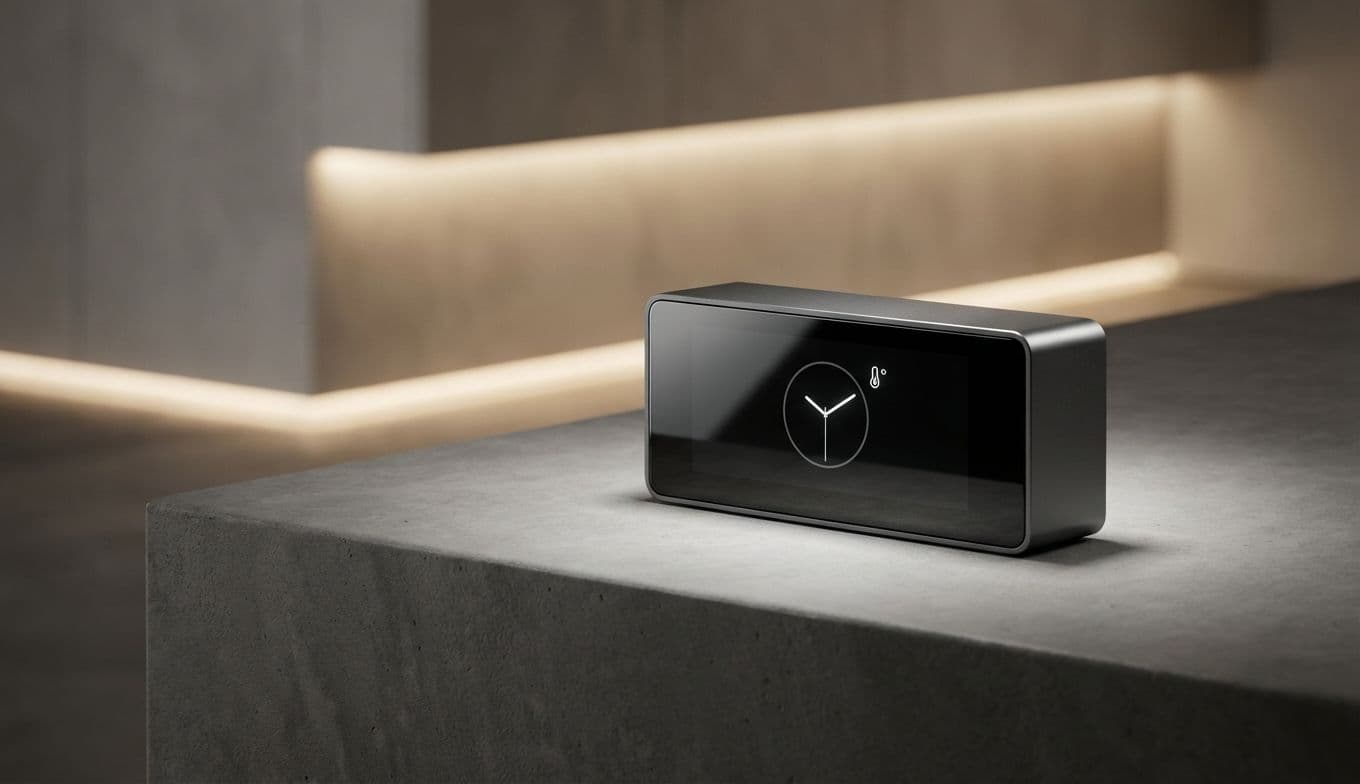
The most significant frustration with previous interactive Lego sets was the reliance on optics. You had to point a sensor at a specific tile to get a reaction. The Smart Brick moves entirely past that. It is a self-contained unit packed with accelerometers, gyroscopes, and—most importantly—a high-resolution OLED screen embedded right into the plastic.
When you pick it up, it knows it's being moved. If you build a plane around it and "fly" it through the air, the brick reacts to the banking and diving. If you build a car and crash it, the brick feels the impact. The internal sensors allow the toy to understand its environment in 3D space, rather than just reading a sticker on a floor tile. The screen isn't just for show, either; it provides immediate feedback, acting as a "face" or a control panel that gives the brick a personality. It turns a static pile of plastic into a reactive partner in the building process.
Bridging the Gap Between Screens and Bricks
