
Intel Panther Lake Handhelds: Core G3 Specs & Buying Guide
Intel's Panther Lake architecture brings the Core G3 chip to handheld gaming. Discover how the 18A process improves battery life and if you should wait for 2026.

By Team Gimmie
Updated September 2, 2026
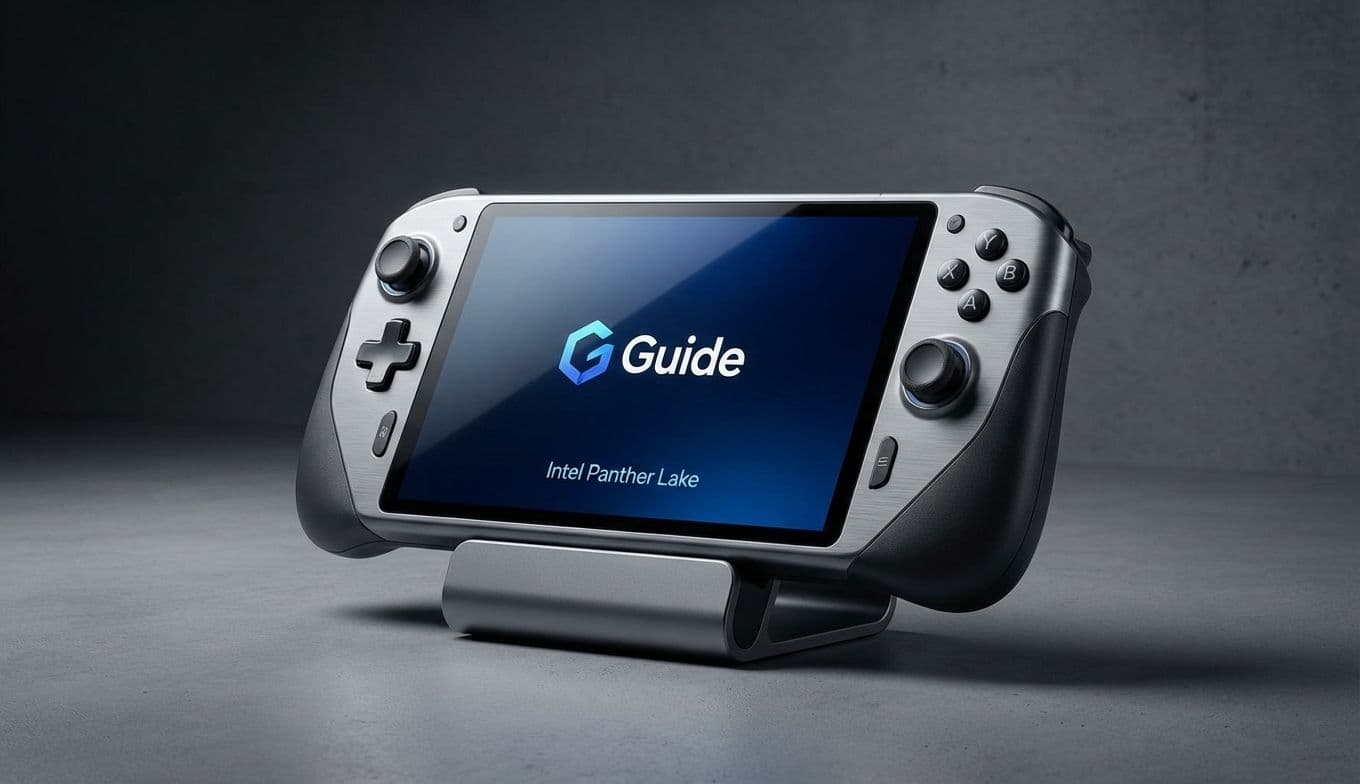
THE NEXT LEVEL OF PORTABLE PLAY: WHY INTEL’S PANTHER LAKE IS A BIG DEAL FOR YOUR NEXT HANDHELD
For a long time, the idea of playing high-end PC games on a device that fits in your backpack felt like a pipe dream. Then the Steam Deck arrived and proved it was possible, followed quickly by the power-heavy ASUS ROG Ally and the massive screen of the Lenovo Legion Go. We are currently living in the golden age of handheld gaming, but a massive shift is on the horizon.
Intel, which has spent the last few years watching from the sidelines as AMD dominated this space, is finally getting serious. They recently announced Panther Lake, a new architecture featuring a custom Core G3 chip designed specifically for handhelds. This isn’t just a laptop chip shoved into a smaller case; it is a ground-up effort to challenge the current kings of the mountain. If you have been thinking about buying a handheld or giving one as a gift, the landscape is about to get a lot more interesting.
THE CHALLENGER VS. THE CHAMPIONS: BREAKING DOWN THE HYPE
To understand why Panther Lake matters, we have to look at what it is trying to beat. Right now, the market is split into two camps. On one side, you have the Steam Deck OLED, which focuses on efficiency and a seamless user experience. On the other, you have Windows-based powerhouses like the ROG Ally X and the Legion Go, both of which use AMD’s Z1 Extreme chip.
Intel’s new G3 variant is aiming directly at that AMD-dominated crown. Early reports suggest that this custom silicon is designed to outperform Intel’s own Arc B390 graphics. In plain English, that means Intel is trying to close the gap that has traditionally made AMD the preferred choice for mobile gaming. While current Intel-based handhelds like the MSI Claw struggled with driver issues and battery life at launch, Panther Lake represents a massive strategic pivot.
Intel isn't just fighting AMD, either. With Qualcomm signaling a move into Windows gaming handhelds and AMD’s own Strix Halo chips on the way, the competition is becoming a four-way race. For you, the player, this is fantastic news. Competition breeds innovation, and we are finally moving past the point where we have to choose between "good battery life" and "games that actually look good."
