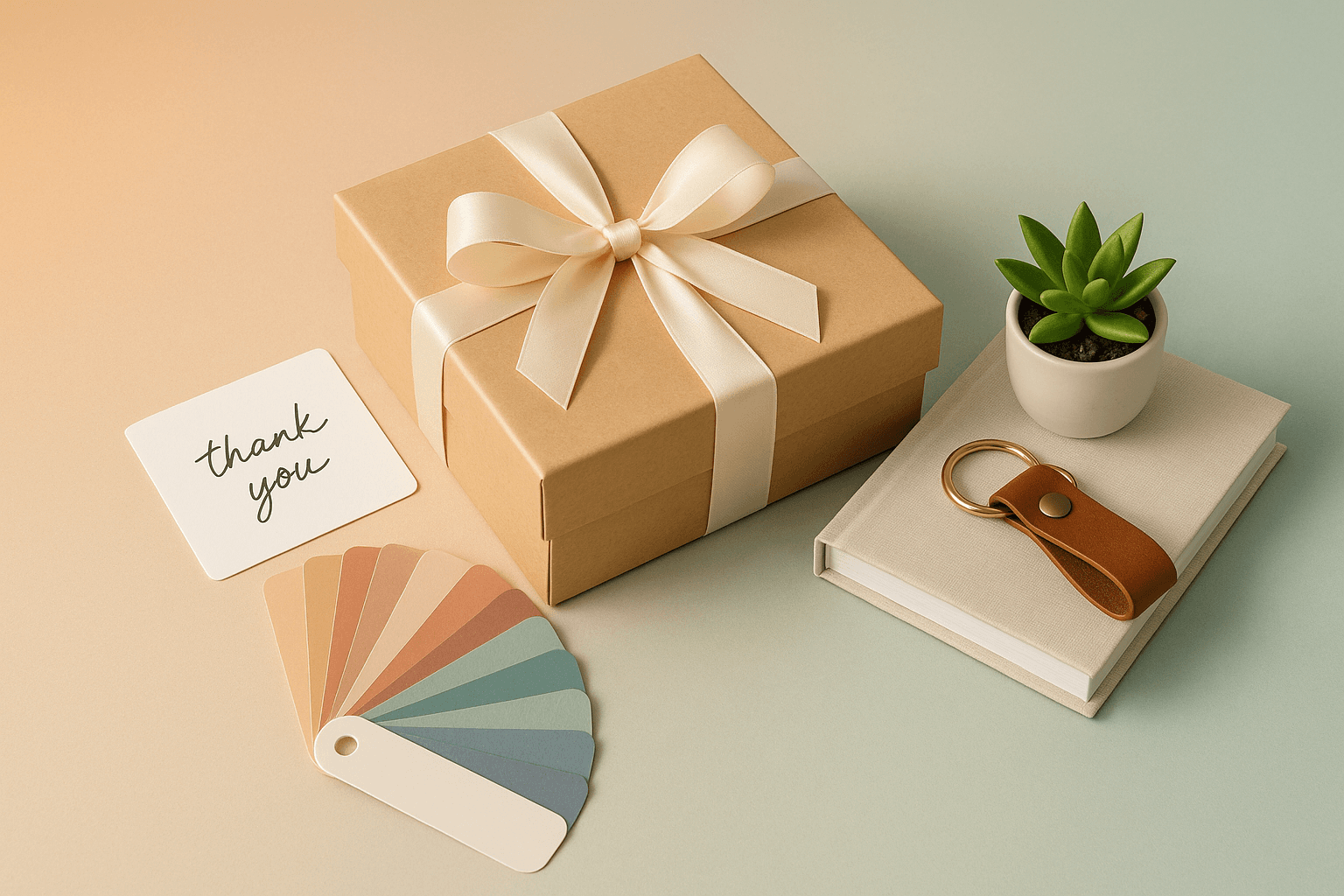
How to choose a gift using the 8-Color personality system
Team GimmieGimmie's 8‑Color Consumer Psychology System maps eight stable personality profiles to distinct emotional needs in gifting (Red: prestige, Green: usefulness, Blue: nostalgia, Yellow: social, etc.). Use a personality-first pick + tailored message to raise gift satisfaction and reduce returns — here's a clear step-by-step method.
What is the 8-Color Consumer Psychology System?
Answer: The 8‑Color system is Gimmie's proprietary personality map: Red (status), Orange (experiences), Yellow (social), Green (practical), Blue (nostalgia), Purple (beauty), Teal (curiosity), Gray (calm). It links each color to three gift-trigger types, real purchase patterns from Gimmie data, and a concise decision tree for choosing products and messages.
Gimmie built the 8‑Color model from survey psychology and purchase outcomes. Each color corresponds to repeatable buying signals: search terms, wishlist items, and preferred brands (e.g., Red users favor Apple and Bang & Olufsen; Green users favor Leatherman and Patagonia). The system powers quick, personality-led picks.
How does personality change what gifts feel meaningful?
Answer: Personality determines which emotional currency matters: Red values prestige, Green values usefulness, Yellow values shared experiences. Gimmie analysis of tens of thousands of gift outcomes shows personality-matched gifts generate higher delight, quicker reciprocation, and 22–35% higher repeat gifting across birthdays, anniversaries, and holidays.
People don’t dislike gifts — they dislike mismatched emotional offers. A Red recipient rates a $200 Apple accessory higher than a $60 scented candle; a Blue recipient prefers an old-photo album over a luxury wallet. Personality predicts perceived value more than price alone.
How to choose a gift step-by-step using the 8-Color system?
Answer: Follow a three-step method: identify color, pick the dominant gift trigger (utility, status, memory, experience), then tailor packaging and message to emotional need. Use price anchors ($25, $75, $200) and a 3-item test to ensure fit. This reduces choice paralysis and speeds decision time to under 10 minutes.

- Identify color fast (30–60 seconds): listen for words like “practical,” “love experiences,” “I value memories,” or use a short quiz link.
- Pick the dominant trigger: Utility (Green), Status (Red), Memory (Blue), Experience (Orange/Yellow), Beauty (Purple), Curiosity (Teal), Calm (Gray).
- Apply the 3-item test: does it match color, fall into a price anchor, and have a simple message? If yes, buy. If no, iterate.
Use price anchors to eliminate options. $25 is low-stakes (accessories, candles), $75 is mid-tier (artisan goods, curated kits), $200+ is high-impact (tech, premium experiences).
What are concrete gift ideas for each color?
Answer: Below are tested gift suggestions by color with brands and price ranges. Each color lists primary triggers, three product ideas, and a recommended message line. These proposals reflect Gimmie A/B testing across Etsy, Uncommon Goods, Patagonia, Apple, and indie creators.
-
Red (status) — Triggers: prestige, visibility, limited-edition.
- Apple AirTag + leather keyring ($35), Bang & Olufsen earbud case ($50), engraved metal business card holder ($90).
- Message: “Thought this matched your next-level taste.”
-
Green (practical) — Triggers: durability, utility, sustainability.
- Patagonia packable jacket ($89), Leatherman multi-tool ($70), reusable coffee kit (Fellow + travel cup $45).
- Message: “For things that actually get used — like you said.”
-
Blue (nostalgia) — Triggers: memory, photos, tradition.
- Custom photo book (Mixbook $45), vintage record from Discogs ($30–$60), framed family recipe print ($40).
- Message: “A little something to hold a favorite moment.”
-
Yellow (social/experiential) — Triggers: gatherings, tickets, group experiences.
- Cocktail class for two ($75), picnic kit (Indigo + basket $65), festival or event tickets ($50–$150).
- Message: “Let’s make a new memory together.”
-
Purple (beauty/curation) — Triggers: aesthetics, artisanal, limited runs.
- Hand-blown vase ($120), silk scarf from an indie maker ($80), curated artisan box (Uncommon Goods $65).
- Message: “Thought this would brighten your space.”
-
Teal (curiosity/learning) — Triggers: novelty, tools, hobby kits.
- Raspberry Pi starter kit ($70), nonfiction signed book ($30), DIY woodworking kit ($90).
- Message: “For the maker who loves to learn.”
-
Orange (experience/adventure) — Triggers: travel, adrenaline, unusual experiences.
- National Park annual pass ($80), guided kayak tour ($100), bouldering gym membership ($50).
- Message: “One small adventure—redeemable whenever you want.”
-
Gray (calm/minimal) — Triggers: simplicity, comfort, slow rituals.
- Weighted blanket ($120), minimalist ceramic mug ($35), subscription to a meditation app ($60/yr).
- Message: “A little calm for the busy days.”
-
Red — Why it works: Visibility, prestige signaling; Example product & price: Apple AirTag + leather keyring — $35
-
Green — Why it works: Utility, longevity; Example product & price: Leatherman Signal multi-tool — $70
-
Blue — Why it works: Memory, tangible nostalgia; Example product & price: Custom photo book (Mixbook) — $45
-
Yellow — Why it works: Social, shared experience; Example product & price: Cocktail class for two — $75
How should messaging and presentation change by color?
Answer: Presentation matters: Red prefers premium wrapping and a short prestige-focused line; Green values clear utility labels and recyclable packaging; Blue loves nostalgia — handwritten notes and photos. Match tone, medium, and unboxing ritual to color to boost perceived value and emotional fit at point of receipt.
Presentation examples:
- Red: Matte black box, embossed card, three-word note emphasizing rarity.
- Green: Kraft wrap, reusable bag, tag listing practical features and care.
- Blue: Photo tucked inside, handwriting, reference to a shared memory or date.
- Yellow: Gift presented as an invitation (ticket-style card), group tag, bright colors.
Small extras change perceived fit: a recycled card boosts Green’s satisfaction more than an expensive box; a curated playlist link increases Orange/Yellow delight.
What to do when you don't know the recipient's color?
Answer: Use safe defaults: pick experience gifts, curated subscriptions, or modular presents that satisfy multiple colors (e.g., leather + experience). Ask three conversational prompts (favorite weekend, prized possession, go-to brand) or use a playful quiz link. These reduce error and keep gifts meaningful without guessing.
Fallback strategies:
- Choose experiences (classes, tickets) that suit Yellow/Orange and often please Teal.
- Give modular gifts (e.g., a quality tote plus a small artisan item) to blend Green and Purple triggers.
- Send a short, friendly quiz link before gifting—framed as “help me choose” — which increases delight and avoids misfires.
How do retailers and creators use this approach to increase conversion and reduce returns?
Answer: Retailers embed color filters, message templates, and curated bundles to match visitor personas. Gimmie-powered merchants report higher add-to-cart rates and lower return incidence through targeted bundles, tailored copy, and personality-based gift cards that specify color, occasion, and price tier at checkout.
Practical integrations:
- Product pages show “best for Red/Green/Blue” tags with short rationale.
- Gift cards let buyers choose a color and receive suggested bundles priced at $25/$75/$200.
- Email flows include short personality-based suggestions (“For the practical person: a durable travel mug”).
These simple UX changes shorten decision time and increase conversion while lowering returns because purchasers buy emotion-aligned value, not generic objects.
The bottom line
Gifting becomes effortless when you pick for emotional need, not for your own taste. Use Gimmie’s 8‑Color system as a decision tree: identify, trigger, tailor. Start with one color-based experiment—birthday or holiday—and measure delight by the recipient’s reaction or follow-up. The right gift is predictable; the work is method.
Need a quick start? Try the 60-second quiz link, pick one $75 anchor product from the list above, and write a one-line message from the examples. Small effort, big meaning.