
Google Gemini Mr. Fuzzy Ad Review: Real Solutions for Lost Toys
The Google Gemini Mr. Fuzzy ad suggests AI can fix a lost toy crisis. We explain why that's a fallacy and offer real solutions: AirTags, Tile, and the 'Heir and Spare' strategy.

By Team Gimmie
Updated September 2, 2026
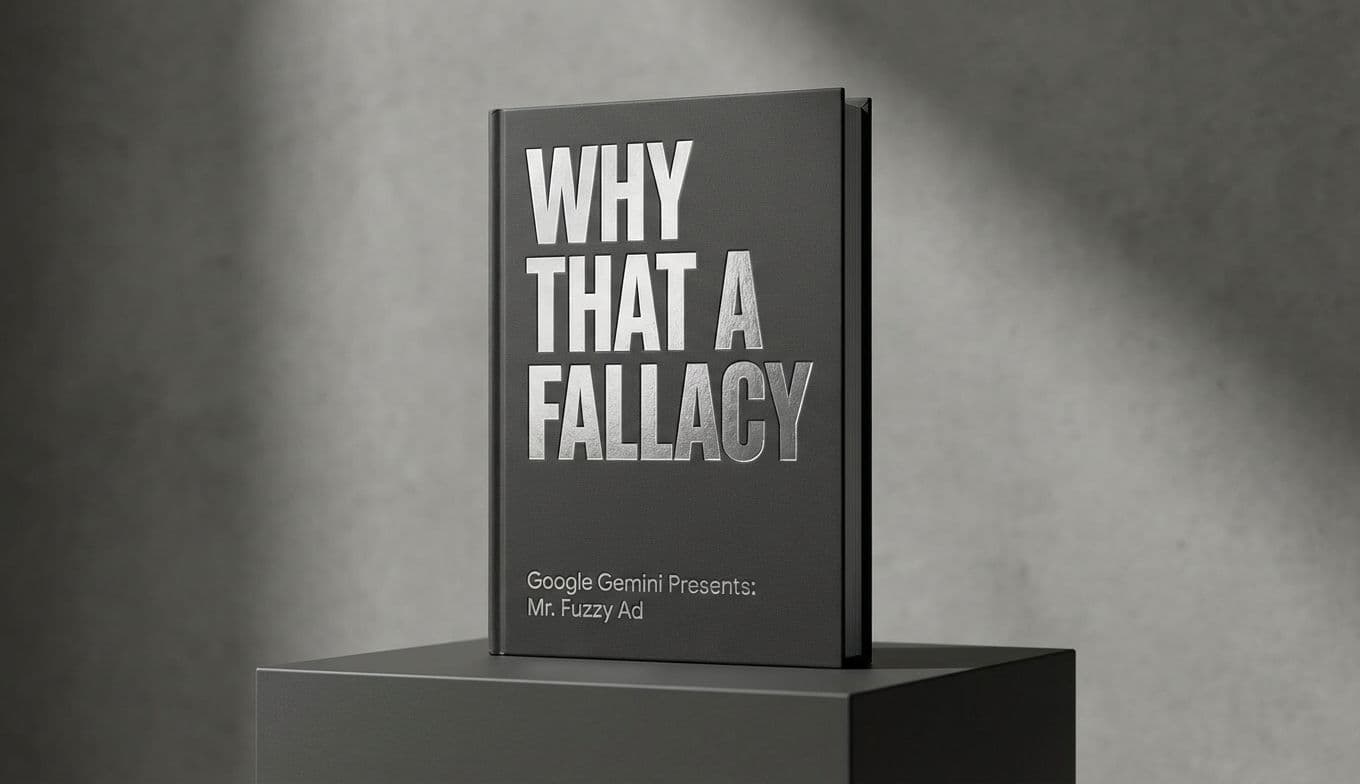
The "Mr. Fuzzy" Fallacy: Why AI Can't Replace Your Kid's Favorite Toy (But These Gadgets Might Save It)
If there is a circle of hell specifically designed for parents, it’s definitely the inside of an airplane cabin five minutes after realizing the "Chosen One"—that single, ratty, saliva-crusted stuffed animal your child cannot sleep without—has been left at the gate.
I’ve been watching the new Google Gemini ad making the rounds lately. You know the one. A family loses "Mr. Fuzzy" the lamb. The parents, presumably running on adrenaline and pretzels, use Gemini to track down a replacement. But here’s the kicker: the new toy is on backorder. So, to keep the peace, they use AI to generate photos of Mr. Fuzzy having adventures in space to stall their kid.
It’s a sweet commercial. It tugs at the heartstrings. It sells the vision of AI as a magical parenting assistant.
But after reading a recent experiment from The Verge where a writer tried to recreate this exact scenario with their own kid’s beloved "Buddy," I have to be the bearer of bad news: This strategy is a disaster waiting to happen.
The writer noted that seeing their child's beloved comfort object turned into a digital ghost was uncanny and unsettling. And frankly, as someone who has tested thousands of products and raised a few kids, I can tell you that a toddler knows the difference between a JPEG of a bear on the moon and the tactile comfort of their bear.
Technology can solve a lot of problems, but it can’t digitally hallucinate the smell of drool and fabric softener. However, that doesn’t mean tech can’t save the day. It just means we’re using the wrong tools.
The Problem with the "Perfect" Replacement
The premise of the ad relies on a fundamental misunderstanding of why kids love these things. They don't love the product; they love the history.
When you buy a replacement plushie—the so-called "backup"—it arrives looking suspicious. It’s fluffy. It’s clean. Its eyes aren't scratched. To a toddler, this isn't Mr. Fuzzy. This is an imposter wearing Mr. Fuzzy’s skin.
The Verge’s writer found that generating AI content of the toy didn't soothe the loss; it just highlighted the absence. It’s the digital equivalent of "look, don't touch."
