
ChatGPT Translate vs. Google Translate: The Art of Nuance
Discover why OpenAI's ChatGPT Translate is the new standard for personal connection. Compare features, style presets, and translation quality vs. Google Translate.

By Team Gimmie
Updated August 27, 2026
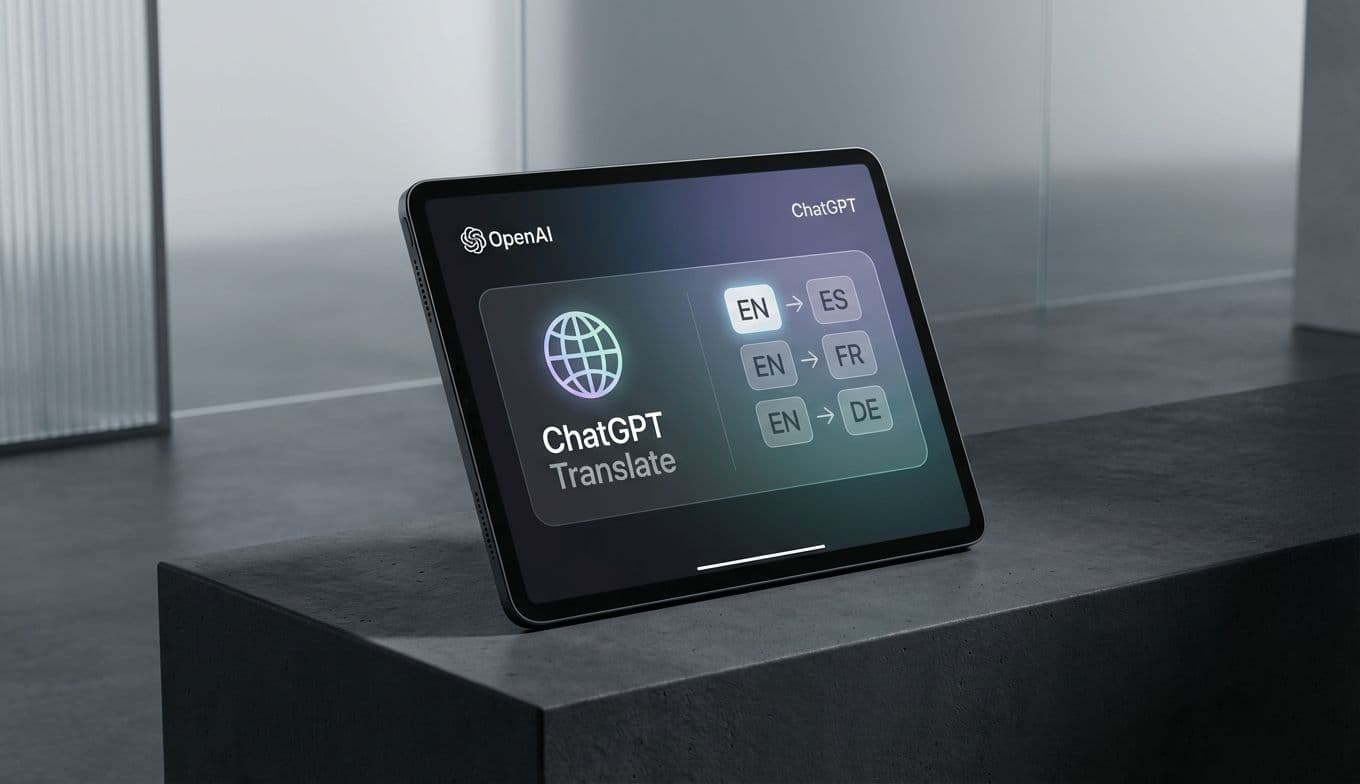
The Art of the International Gesture: Why Nuance is the New Standard in Translation
When I first heard that OpenAI had officially launched ChatGPT Translate as a standalone tool, my internal skeptic did a bit of a double-take. We have been living in the era of Google Translate for so long that it has practically become a utility, like electricity or running water. It’s the tool we use to figure out if a bottle contains shampoo or dish soap while on vacation, and for the most part, it works fine. So, why do we need another one?
As it turns out, "fine" is the enemy of "meaningful." After spending some time with ChatGPT’s new dedicated interface, I’ve realized that while Google Translate is built for information, ChatGPT Translate is built for connection. If you have ever tried to write a heartfelt note to a family member abroad or explain the sentimental value of a gift to someone who speaks another language, you know that literal translation often kills the soul of the message. This new tool isn't just about swapping words; it’s about preserving the feeling behind them.
The familiar face of a new engine
OpenAI was smart enough not to reinvent the wheel when it comes to user experience. When you land on the ChatGPT Translate page, the layout is instantly recognizable. You have the classic two-pane system: your source text on the left and the translation on the right, with simple dropdown menus to toggle between languages. It is clean, fast, and lacks the clutter that sometimes creeps into more established platforms.
But the real shift happens in the processing. While traditional translation tools rely on massive databases of phrase pairings, ChatGPT Translate uses its underlying large language model to understand the intent of your sentences. According to early reports, it currently supports over 50 languages. While that is fewer than Google’s massive library, the quality of what it produces feels fundamentally different. It doesn’t just translate; it interprets.
Why this matters for the modern gift-giver
At Gimmie AI, we talk a lot about the "why" behind a gift. A gift is a bridge between two people. But when that bridge has to cross a language barrier, things often get lost in transit.
