
Betterment Crypto Scam: Lessons in Financial App Security
The Betterment crypto scam notification exposed third-party risks. Learn how to secure your finances with YubiKey, cold wallets, and verified protocols.

By Team Gimmie
Updated September 2, 2026
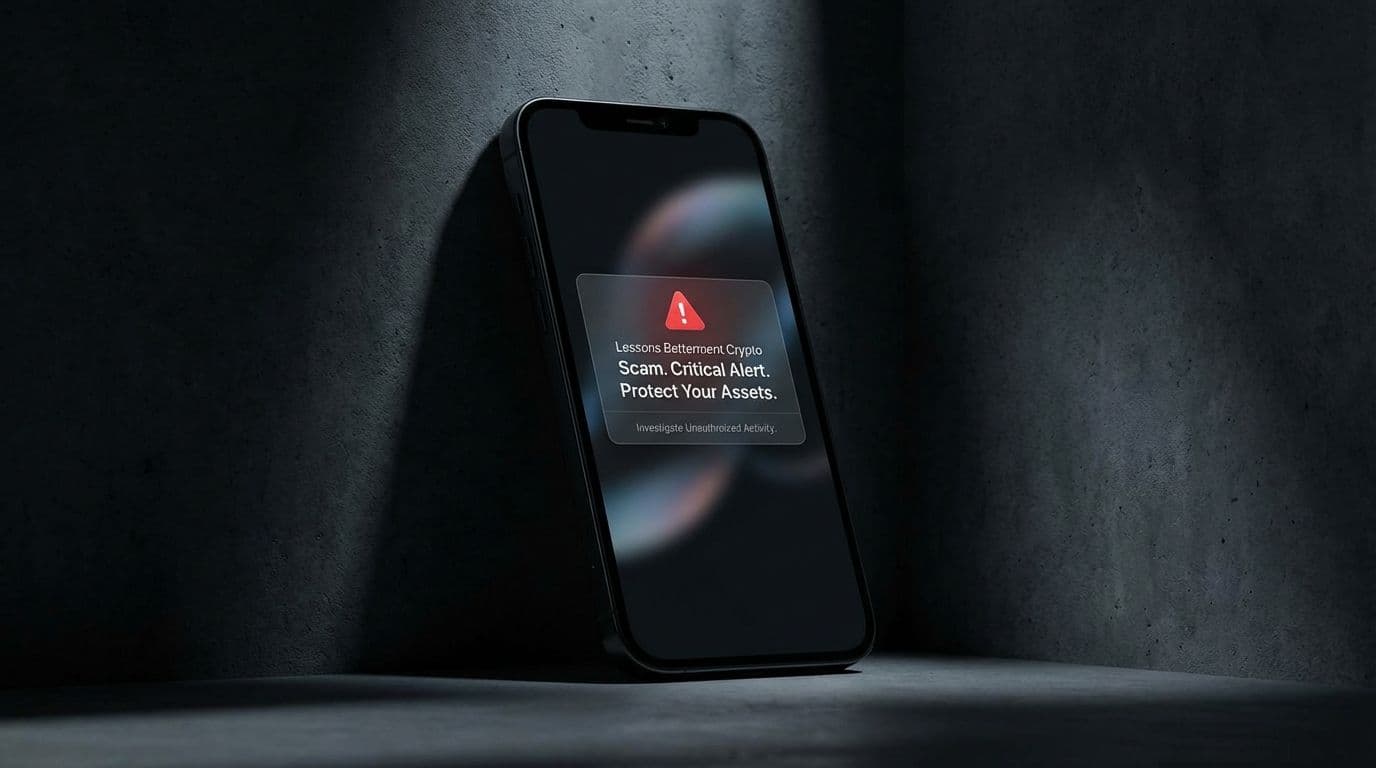
The Moment a Trusted App Turns on You: Lessons from the Betterment Breach
Imagine the scene: You’re checking your morning notifications, clearing out the usual clutter of newsletters and social media pings, when you see a message from Betterment. This isn’t some random, poorly spelled text from a "bank" you’ve never heard of. This is the app where your actual savings live. The message offers to triple your crypto holdings if you send $10,000 to a specific Bitcoin or Ethereum wallet.
For a split second, your heart jumps. Maybe it’s a loyalty reward? Then, the logic kicks in, followed by that sinking gut-punch feeling. You realize that the digital fortress you trust with your financial future just tried to scam you.
This isn't a hypothetical horror story. It recently happened to Betterment users, and it serves as a massive wake-up call. We’ve reached a point where the "official" channel is no longer a guarantee of safety. As a product reviewer who spends my days obsessing over which tools actually earn their keep, I see this not just as a security failure, but as a turning point in how we must protect our digital lives.
The Ghost in the Machine: Understanding Third-Party Risk
When the dust settled, Betterment clarified that its internal servers weren't breached. Instead, the scam messages were sent via an unauthorized intrusion into a third-party system. To the average user, that sounds like corporate jargon for "not our fault." But in the tech world, this is a specific and growing vulnerability.
Most of the apps we love—whether they are for investing, budgeting, or shopping—rely on a massive "marketing stack." They use platforms like Braze, Twilio, or Salesforce to send those push notifications and emails you receive every day. If a bad actor gets the keys to one of these marketing platforms, they can bypass the app’s actual security and send messages that look 100 percent legitimate.
This is why "verify everything" is no longer just a suggestion; it’s a survival tactic. If an offer involves moving money or crypto and sounds too good to be true, it is—even if it’s coming from an app you’ve used for years.
The New Gold Standard: Hardware Security Keys
