
Best Open-Ear Earbuds 2026: Bose, Shokz & Soundcore Reviews
Discover the best open-ear earbuds of 2026. We compare Bose, Soundcore, and Shokz for comfort, safety, and sound quality to help you choose the right pair.

By Team Gimmie
Updated August 27, 2026
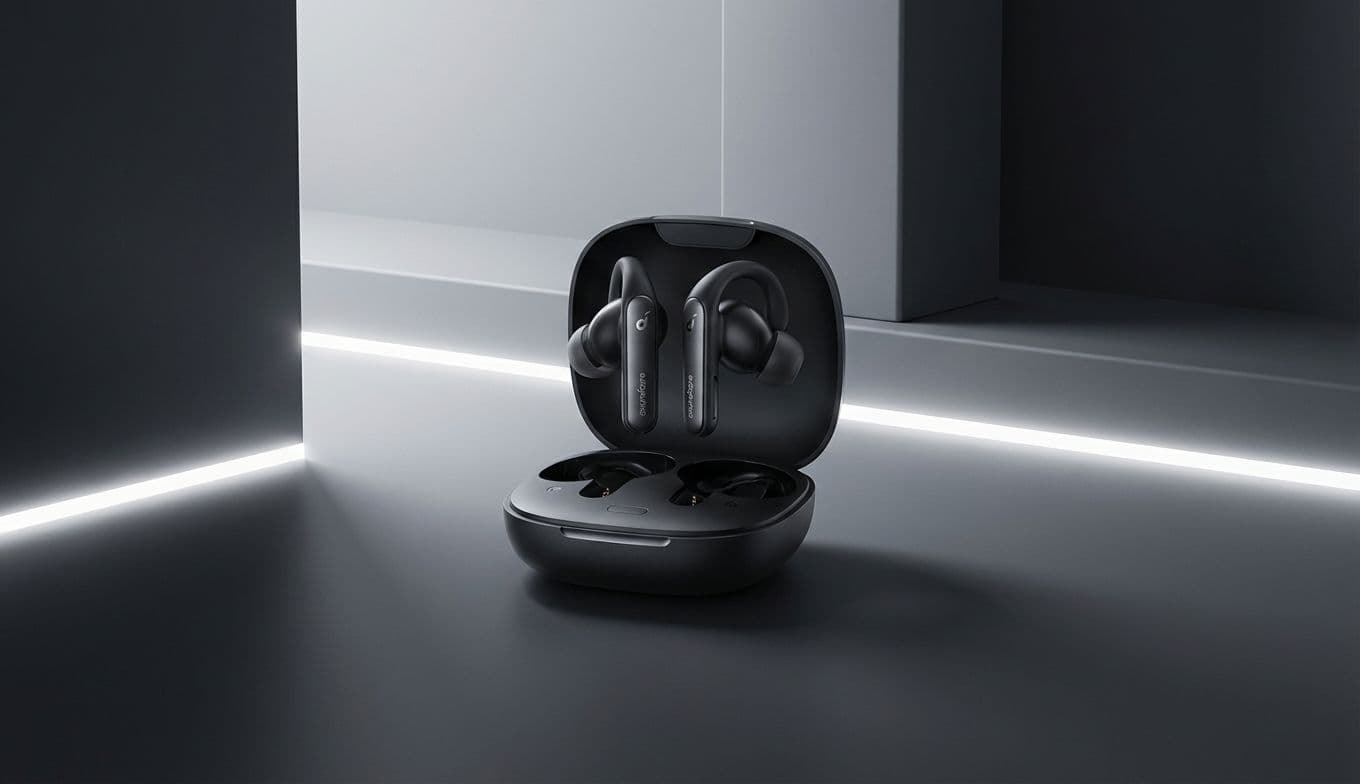
BEYOND THE BUBBLE: WHY OPEN-EAR TECH IS WINNING IN 2026
As a product reviewer, I have spent years testing audio gadgets that promise the moon and deliver a handful of dust. But there is one category that has genuinely changed how I move through the world: open-ear earbuds. Forget those noise-canceling buds that create an isolating bubble. Open-ear designs offer a clever compromise, letting you enjoy your music or podcasts while staying acutely aware of your environment. It is a game-changer for runners, cyclists, and anyone who has ever missed a flight announcement because their ears were literally plugged.
The promise is simple: hear your audio and your surroundings. By early 2026, the tech has finally caught up to the ambition. We are no longer dealing with tinny, vibrating frames that leak sound to everyone within five feet. Today’s models use sophisticated directional acoustics to beam sound into your ear canal while leaving the opening clear.
QUICK PICKS: THE TOP CONTENDERS AT A GLANCE
If you are looking for an immediate recommendation for a gift or your own daily carry, here is the short list:
Best Overall Performance: Bose Ultra Open Earbuds ($299). Unmatched comfort with a unique cuff design and a solid 7.5 hours of battery life.
Best for Athletes: Soundcore AeroFit Pro ($169). Rugged IPX5 water resistance, 14 hours of playtime, and a secure over-ear hook.
Best Value: Shokz OpenFit Air ($119). Incredible lightness at just 8.7 grams per bud and a very approachable price point.
Best High-Fidelity Option: Beyerdynamic Verio 200 ($219). Focused on studio-grade sound quality for the open-ear format.
WHO ACTUALLY NEEDS OPEN EARS?
The traditional earbud world is dominated by the quest for total silence. For many, that is perfect. But think about your daily reality. How many times have you been out for a run and wished you could hear that approaching car? Or cycled to work and felt a bit vulnerable because you could not hear the city around you?
For athletes, these are a safety necessity. Runners can hear traffic, cyclists are alerted to approaching vehicles, and gym-goers can still catch the attention of a trainer. But it is not just about safety. For commuters, being able to hear station announcements without constantly pausing your audio is incredibly convenient. If you work in a shared office or have kids at home, staying connected to your auditory environment is often a requirement, not a luxury.
