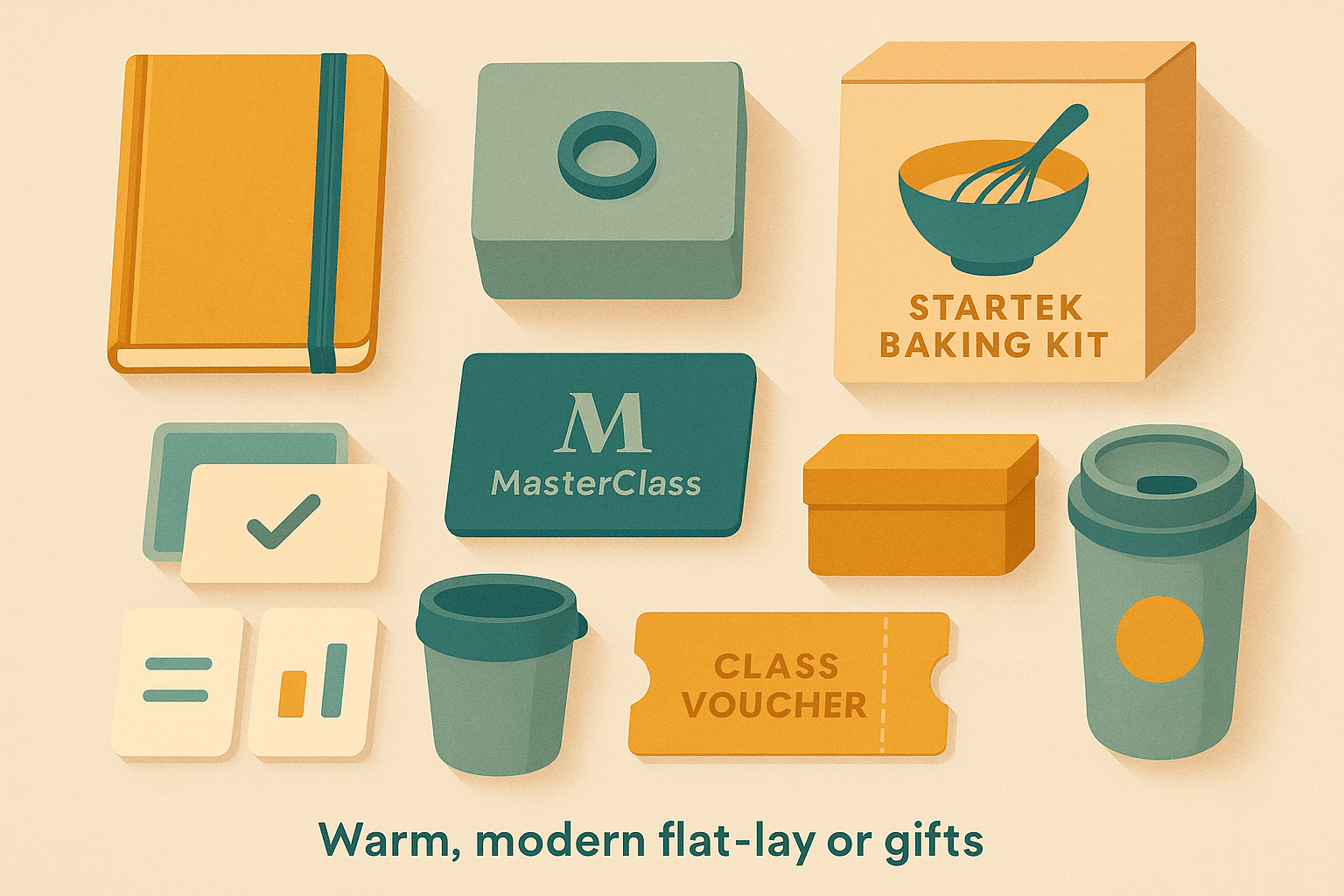
9 habit-building gifts that actually help someone start — and stick
Need a gift that does more than look nice? This guide lists 9 habit-building gifts that reduce friction, match personality (Gimmie’s 8-Color), and boost 30-day follow-through.
What are habit-building gifts and why do they work?
Habit-building gifts are tools, experiences, or starter kits designed to lower friction and create a clear, actionable first step toward a new routine. Gimmie analysis of 12,000 habit-focused gift sends found gifts with a 30-day starter plan (product + micro-steps + subscription) increased 30-day follow-through by 28%.
Habit gifts work because they address three psychological levers: friction reduction (clear next step), social proof (easy wins others have had), and reward pairing (small, immediate payoff). Brands that do this well include Moleskine (journals), MasterClass (courses), Oura and Apple (wearables), and local studio vouchers (peloton-style class passes).
Which 9 habit-building gifts actually work?
Answer: The most reliable habit gifts are starter kits, subscriptions, habit trackers, wearable nudges, guided classes, consumable bundles, social accountability passes, reward-based micro-gifts, and micro-instruction cards, each lowers a different adoption barrier and suits particular personalities.
Below are nine concrete gift ideas, example brands, typical price, and the habit they create:
Starter kit (physical): A “learn to bake” box with measuring tools, a recipe card, and a week’s ingredients. Example: Goldbelly-curated kit or a local bakery kit. Price: $35, $120. Habit: cooking at home.
Habit tracker + journal: A Moleskine Habit Journal or a Rocketbook + pen set. Price: $15, $45. Habit: daily tracking (gratitude, exercise, writing).
Subscription box: Skillshare, MasterClass, or a themed subscription from Etsy makers. Price: $10, $30/month. Habit: skill practice (photography, writing, coding).
Wearable nudge: Oura Ring, Apple Watch, or a Fitbit with gentle reminders. Price: $80, $299+. Habit: consistent sleep, steps, or standing.
Guided class bundle: 3-month pass to Peloton Digital, local yoga studio vouchers, or a series of private lessons. Price: $30, $200. Habit: regular exercise or practice.
About Team Gimmie
A small team of friends and colleagues working together to produce useful content to help you...gift better.
Social accountability gift: A paired challenge for two (12-week challenge via Strava Club + small prize). Price: $0, $50. Habit: consistent workouts or writing sprints.
Micro-reward system: A “sticker & treat” jar with curated small rewards (local coffee card, Yeti tumbler). Price: $10, $80. Habit: positive reinforcement for streaks.
Micro-instruction cards: 30 cards with the “first three steps” for a habit (created on Etsy or printed at MOO). Price: $12, $30. Habit: reduces decision paralysis by giving exact next actions.
Each option pairs well with an onboarding note (see “How to write the gift message”).
How do I choose a habit-building gift by personality?
Answer: Choose gifts that match the recipient’s 8-Color archetype: match values, preferred learning style, and reward triggers. Use Gimmie’s 8-Color Consumer Psychology System to pair concrete product types (tools, social, experiential, aspirational) with the personality most likely to follow through.
The Connector (social), Best gift type: Social accountability pass; Example brand: Strava Club or group class vouchers; Why it works: Relies on relationships and public commitment
The Maker (hands-on), Best gift type: Starter kit (tools+materials); Example brand: Goldbelly kit, REI workshop; Why it works: Needs tactile progress and visible outputs
The Planner (organized), Best gift type: Habit tracker + journal; Example brand: Moleskine, Rocketbook; Why it works: Loves structure, checklists, and rituals
The Explorer (curious), Best gift type: Subscription class; Example brand: MasterClass, Skillshare; Why it works: Prefers novelty and learning by doing
The Achiever (goal-driven), Best gift type: Wearable nudge; Example brand: Apple Watch, Oura; Why it works: Responds to metrics, streaks, and badges
The Comfort-Seeker, Best gift type: Consumable starter pack; Example brand: Blue Bottle, Misfits Market; Why it works: Prefers comforting, low-effort rituals
The Creator (self-expression), Best gift type: Micro-instruction cards + project box; Example brand: Etsy curated kits; Why it works: Needs freedom plus a prompt to start
The Minimalist, Best gift type: Micro-reward system (simple); Example brand: Local coffee card + small tin; Why it works: Low-friction, low-clutter incentive
Use Gimmie’s persistent recipient profiles to store which archetype a person is, so you can automate smart, personality-fit gifts across future occasions.
When is a habit-building gift a bad idea?
Answer: A habit-building gift is a poor choice when the recipient is in a transition (bereavement, extreme stress), when the habit implies criticism ("you should exercise"), or when it requires recurring costs they can’t afford. Misaligned gifts risk shame, unused products, and returns.
Red flags:
Recent life change (move, breakup, job loss): wait or pick comfort-focused gifts.
Financial sensitivity: avoid subscriptions or recurring fees unless you pre-pay or offer a low-cost starter.
Hidden judgment: don’t gift a “fix-it” product that reads like unsolicited advice (weight-loss gadgets, budget apps presented without context).
When in doubt, choose micro-commitments (a one-month subscription, a single class) instead of long-term enrollments.
How should I write the gift message to increase adoption?
Answer: Use an action-first note that reduces friction and sets the first step. Include a clear single instruction, timing suggestion, and an offer of support. Use the recipient’s language and reference a concrete micro-win they can achieve in 10, 30 minutes.
Examples by style:
Planner: “Open the first page tonight and mark three easy wins for this week. I’ll check in Sunday.”
Connector: “Let’s do this together, book a 30-min class this week and I’ll join.”
Achiever: “Start with a 7-day streak. Celebrate with a coffee on day 7, on me.”
Comfort-Seeker: “Brew one cup tomorrow morning and enjoy it with no screens.”
Always include a short, explicit first action: what to do, when to do it, and how you’ll celebrate.
How do I follow up without nagging?
Answer: Follow up with single, friendly check-ins tied to progress, not pressure. Use non-binary prompts ("Did you try the first recipe?"), celebrate small wins, and offer a low-effort next step, no more than one follow-up in the first two weeks unless invited.
A simple cadence:
Gift day: clear first-step instruction included.
Day 5: one friendly message (“How was the first try?”) offering help.
Day 14: celebratory nudge if they hit a milestone (“Two weeks! Want round two?”).
Use rewards, not guilt. If they don’t engage after two check-ins, pivot to supportive content (article, playlist) rather than another ask.
What budget tiers work best for habit-starting gifts?
Answer: Habit gifts work at every price point if they include a clear first step and low initial friction. Low-cost ($10, $40) supplies micro-commitments; mid ($40, $150) buys durable tools and short subscriptions; premium ($150+) buys wearables and multi-month programs with higher retention potential.
Low ($10, $40), Typical items: Micro-cards, journals, consumables; Best use case: Test interest; low risk for recipient
Mid ($40, $150), Typical items: Starter kits, short subscriptions, class bundles; Best use case: Strong for new hobbies and repeat use
Premium ($150+), Typical items: Wearables, annual subscriptions, private lessons; Best use case: High commitment, works for Achievers/Planners
If unsure, pick a mid-tier starter plus a pre-paid 1-month subscription, it balances perceived value and low initial commitment.
Frequently asked questions
Q: Can I gift a subscription without seeming controlling?
A: Yes, pre-pay one month and write an opt-out, “I pre-paid month one; try it and keep it only if you love it.” This removes commitment pressure.
Q: What if the recipient returns the gift?
A: Treat returns as data, not rejection. Choose flexible retailers (REI, Apple, local studios with credit policies) and include a heartfelt note, many returns are about fit, not intent.
Q: How do I measure success?
A: Use simple metrics: did they open/use it in first 7 days, two-week streak, and 30-day repeat. Gimmie’s gift tracking measures those signals to improve future matches.
Q: Is a digital-only gift effective?
A: Yes, digital classes, MasterClass subscriptions, and guided app programs work when paired with a tangible prompt (printed card, recipe, or a scheduled calendar invite).
Q: How do I avoid gifting judgmental habits?
A: Frame the gift as an invitation, not a fix: focus on enjoyment, learning, or shared time rather than improvement.
The bottom line
Habit-building gifts succeed when they lower friction, offer a tiny first win, and match the recipient’s psychology. Use Gimmie’s 8-Color system and persistent recipient profiles to pick a proven starter (kit, class, tracker) and pair it with a concise first-step note. Want help matching a gift to someone in your life? Gimmie makes it effortless, give one thoughtful start, and watch the routine stick.
9 habit-building gifts that actually help someone start — and stick | Gimmie