Vocoder Guide: History, How It Works & Best Models

Vocoder Guide: History, How It Works & Best Models

Team GimmieTeam Gimmie
Published on March 23, 2026

The Voice of the Machine: From Secret War Tech to Your New Musical Obsession

Close your eyes and listen to the opening of Daft Punk’s Harder, Better, Faster, Stronger. That iconic, digitized voice isn't just a singer with an effect pedal—it’s the sound of a human soul being fed through a synthesizer. It is the vocoder, a piece of technology that sounds like the future even though it’s nearly a century old.

It’s one of the few instruments that can feel both cold and robotic yet deeply emotional. But before it was a staple of French house music and 80s pop, the vocoder was a tool of war. It wasn't designed to make people dance; it was designed to help them win.

The Secret History of the Singing Robot

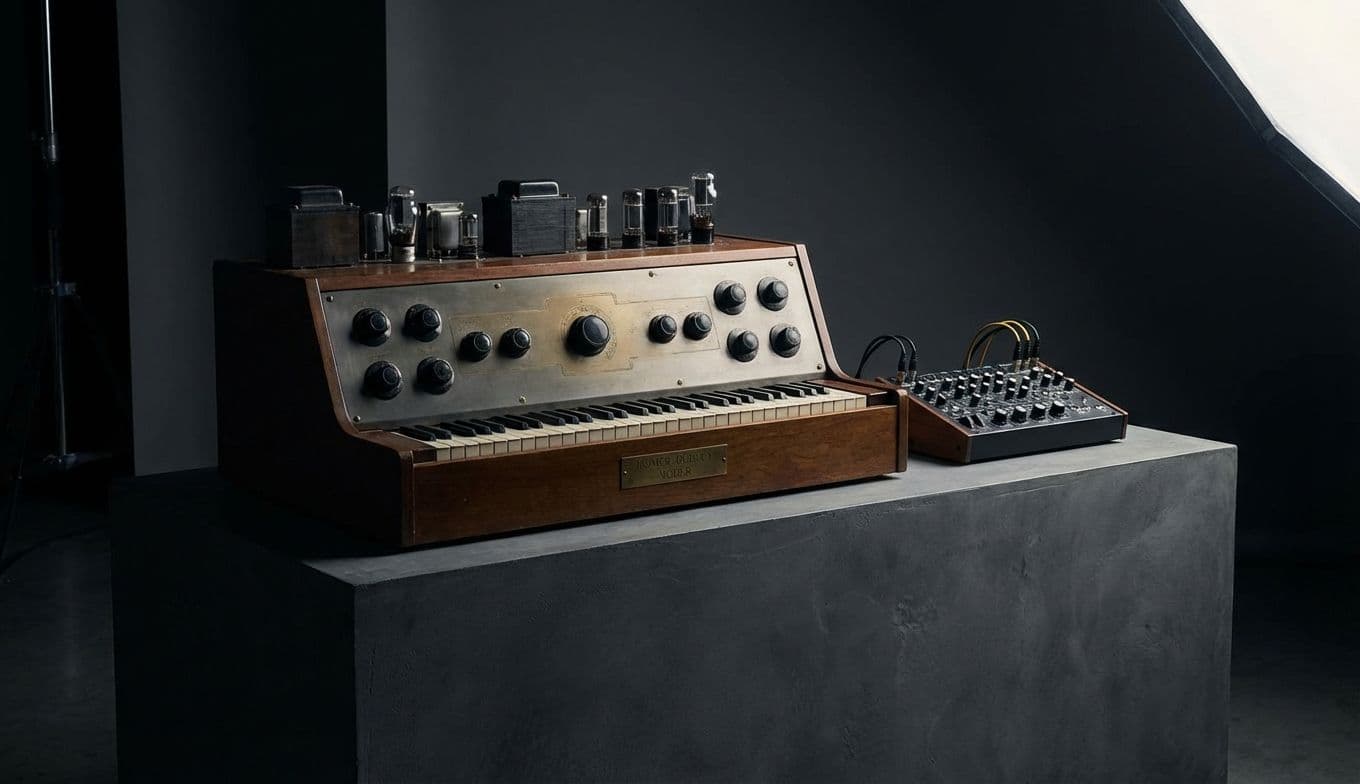
The story begins in the late 1920s at Bell Labs. An engineer named Homer Dudley wanted to solve a bandwidth problem. Sending human speech over copper telephone lines was expensive and inefficient. Dudley’s solution was the Voder (Voice Operating Demonstrator), a complex machine that could synthesize human speech from basic electronic components.

However, the world had bigger plans for Dudley’s invention than just saving money on long-distance calls. During World War II, the vocoder became the backbone of SIGSALY, a massive, top-secret communication system used by high-level officials like Winston Churchill and Franklin D. Roosevelt to hold secure conversations across the Atlantic. It encrypted speech by turning it into data, making it impossible for Nazi eavesdroppers to decode.

After the war, the military tech was declassified, and the machines—which were originally the size of refrigerators—found their way into the hands of avant-garde composers and electronic pioneers like Kraftwerk and Wendy Carlos. They saw what the military didn't: that the vocoder wasn't just a way to hide a voice, but a way to transform it into a brand-new instrument.

Tech Tip: How Does a Vocoder Actually Work?

To understand a vocoder, you have to understand two key terms: the Carrier and the Modulator.

The Modulator is usually your voice. When you speak into the microphone, the vocoder analyzes the frequency characteristics of your speech.

The Carrier is the instrument sound, usually a synthesizer. This provides the musical pitch and tone.

The vocoder essentially takes the shape of your voice (the modulator) and drapes it over the sound of the synthesizer (the carrier). When you talk, you aren't hearing your vocal cords; you’re hearing the synthesizer talking in your rhythm and accent. This is why you can make a vocoder sing complex chords that a human throat could never produce.

Choosing Your Machine: The Best Modern Vocoders

If you’re looking to dive into the world of vocal synthesis today, you don't need a military-grade encryption unit or a wall-sized modular synth. There are incredible options for every budget and skill level. Here are the standout models currently dominating the scene:

The Industry Standard: Korg microKORG For over twenty years, the microKORG has been the go-to hardware vocoder for everyone from indie rockers to bedroom producers. It’s compact, comes with its own gooseneck microphone, and features that classic, warm sound that defined early 2000s electronic music. It’s virtually indestructible and remains one of the most popular synthesizers ever made.

The Experimental Choice: Arturia MicroFreak If you want something a bit weirder, the MicroFreak is a digital marvel. It’s affordable, features a unique touch-capacitive keyboard, and includes a powerful vocoder engine. It’s perfect for the musician who wants to push boundaries and find sounds that don't just mimic the past but look toward the future.

The All-in-One Powerhouse: Roland JD-Xi The Roland JD-Xi is a tiny synth with a massive heart. It combines a real analog synth engine with digital sounds and a dedicated vocoder section. It’s incredibly intuitive, making it a perfect first synth for someone who wants to start making music immediately without a steep learning curve.

The Software Route: iZotope VocalSynth 2 For the studio-bound producer, hardware isn't always necessary. Software plugins like iZotope’s VocalSynth 2 or Arturia’s Vocoder V offer incredible flexibility. These tools allow you to apply vocoding to pre-recorded vocals with surgical precision, offering way more control than most physical hardware ever could.

Finding Your Fit: Who Is This For?

The Musician or Producer If you know someone who spends their weekends in a home studio, a vocoder is the ultimate creative unlock. It’s a tool that forces you to think about melody and lyrics in a completely different way. For this person, look for hardware like the Roland VT-4, which is a dedicated vocal transformer that can sit right on their desk.

The Tech Enthusiast Some people just love the intersection of history and innovation. For the person who has every gadget imaginable, a vocoder is a piece of living history. It’s a conversation starter that allows them to explore the physics of sound. A high-quality software suite or a tactile unit like the Arturia MicroFreak would be right up their alley.

The Creative Content Creator Podcasters and YouTubers are always looking for ways to stand out. While a full-blown synthesizer might be overkill, a simple vocal processor like the TC Helicon Voicetone C1 can provide those robotic textures or pitch-correction effects that add a professional (or surreal) edge to their audio.

Quick Gift Guide: The Bottom Line

Budget-Friendly (Under $200): Go with software like Arturia Vocoder V or a portable vocal transformer like the Roland VT-4. These offer the most bang for your buck without requiring a dedicated studio space.

The Mid-Range Sweet Spot ($300 - $500): The Korg microKORG or Arturia MicroFreak. These are professional instruments that will stay in a musician's collection for a lifetime. They are tactile, fun, and produce world-class sounds.

The Premium Professional ($500+): Look at the Roland JD-XA or specialized hardware like the Boss VO-1 Vocoder pedal for guitarists. These are high-end tools for serious performers who need reliability and deep customization.

The Enduring Magic of the Robotic Voice

The vocoder shouldn't have worked as a musical instrument. It was a cold, calculated piece of telecommunications engineering designed for the battlefield. But music has a way of co-opting technology and breathing life into it.

Whether you’re looking to recreate the disco-funk of the 70s, the synth-pop of the 80s, or the experimental landscapes of tomorrow, the vocoder remains one of the most expressive tools in any artist's arsenal. It allows us to step outside our own humanity and speak through the machine, and in doing so, we often find something more honest than a standard vocal could ever provide. It’s not just about making robots sing—it’s about finding a new way for humans to be heard.