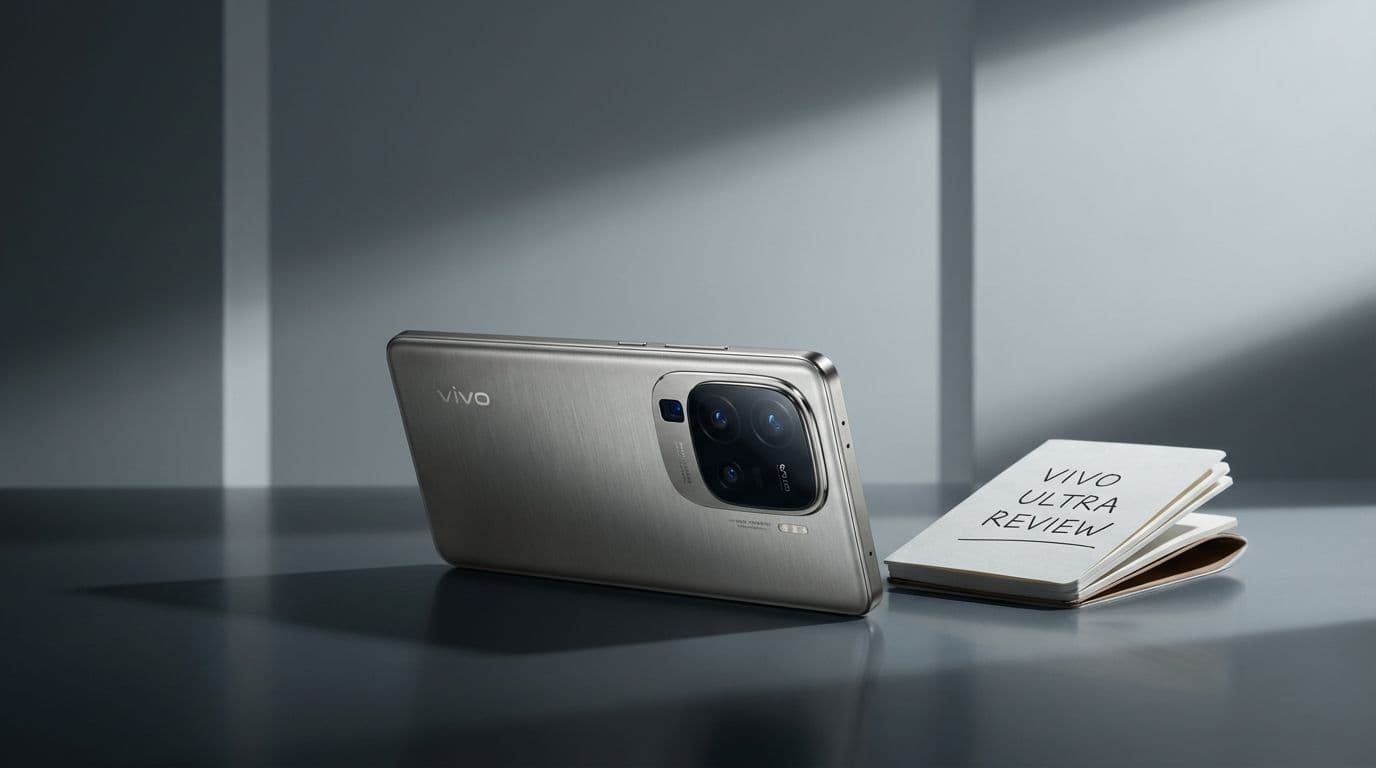
Vivo X300 Ultra Review: The Ultimate DSLR Alternative?
Team GimmieThe Phone That Thinks It’s a DSLR: Is the Vivo X300 Ultra the Real Deal?
When Vivo announced the X300 Ultra, they didn't just call it a new flagship; they boldly claimed it was "designed for professional photography." As someone who has spent years watching smartphone manufacturers slap a "Pro" label on everything from budget handsets to mid-range refreshes, I went into this with a healthy dose of skepticism. The mobile market is crowded with devices that promise the moon and deliver a slightly better-than-average point-and-shoot experience.
But after looking closely at the hardware and the specialized ecosystem Vivo is building, I have to admit there is more here than just clever marketing. This isn't just a phone with a large camera bump. It is an ambitious attempt to bridge the gap between mobile convenience and professional utility. However, if you are looking at this as a potential upgrade or a high-end gift, there are some significant "pro-level" caveats you need to understand before hitting the buy button.
A Camera System with an Identity
The heart of the Vivo X300 Ultra is its partnership with ZEISS. While many brands use lens partnerships for simple color grading or brand prestige, the "3+2 ZEISS Master Lens" setup here suggests something deeper. Vivo isn't just chasing megapixels; they are chasing focal length versatility and optical clarity.
The system is specifically optimized for three distinct scenarios: telephoto close-ups, wide-angle landscapes, and high-end videography. For the average user, this means less digital noise when you zoom in at a school play. For the professional, it means having optics that actually behave like glass rather than software-processed mush. The upgraded telephoto extender lens, which we caught a glimpse of at MWC, is particularly telling. It aims to solve the single biggest weakness in mobile photography—the loss of detail at distance. If the X300 Ultra can deliver sharp, usable images at high magnification, it changes the game for street and nature photography on the go.
The Professional Workflow: It’s Not Just About the Sensors
In the original buzz around this phone, much was made of the "specs"—the processors and the RAM. But for a device claiming to be a "professional" tool, those numbers are secondary to the workflow. A pro doesn't just care if a phone is fast; they care if it can handle the massive data footprint of professional media.

If you are shooting in RAW format—which this phone is clearly built to do—you aren't dealing with small, compressed JPEGs. You are dealing with massive files that contain all the sensor's data for post-processing. A professional-grade device needs high-speed internal storage (UFS 4.0 or better) and, crucially, a way to move those files off the device quickly. We are looking for high-bitrate 4K video support and the thermal management to record it without the phone shutting down after ten minutes.
The "Ultra" experience here is less about how many apps you can keep open and more about whether the hardware can sustain the heavy lifting of image processing without lagging. For the person who plans to edit their shots in Lightroom Mobile or Davinci Resolve on the go, these workflow capabilities are what actually justify the "Ultra" price tag.
The Accessory Ecosystem: What’s in the Box?
There has been some confusion regarding the "professional camera cage" and the extender lenses seen in promotional materials. To be clear: these are professional accessories, not standard inclusions.
The camera cage effectively transforms the phone into a cinematography rig, allowing for the attachment of external microphones, lights, and monitors. For a gift-giver, this is an important distinction. The phone itself is a powerful camera, but the "Pro" experience Vivo is touting often involves this secondary investment. If you are buying this for a content creator, you aren't just buying a phone; you are entering an ecosystem of modular gear. This makes the X300 Ultra a "system" rather than just a standalone device, much like a mirrorless camera.
The International Elephant in the Room
Here is the most critical point for anyone outside of Asia: the X300 Ultra has launched specifically for the Chinese market. For global buyers and gift-givers, this introduces a few hurdles that are often glossed over in the excitement of a new release.
First, there is the software. Chinese-market phones typically do not come with Google Play Services pre-installed. While it is often possible to side-load these features, it’s a technical hurdle that might frustrate a less tech-savvy gift recipient. Second, there are the network bands. You must verify that the Chinese hardware supports the specific 5G and LTE bands used by your carrier in the US or Europe, or you might find yourself with a very expensive camera that can't make a phone call in your neighborhood.
Finally, there is the lack of a local warranty. If you import this device and the screen cracks or the sensor fails, you won't be able to walk into a local shop for a fix. You are essentially acting as your own importer, which adds a layer of risk to what is already a premium purchase.
Who Should Actually Buy the X300 Ultra?
Despite those hurdles, the X300 Ultra is a fascinating device for the right person. It’s a niche product, and that is its greatest strength.
The Hardcore Mobile Photographer: This is for the person who has reached the limits of what an iPhone or a standard Galaxy can do. They want the ZEISS optics, they want the telephoto extender, and they are willing to deal with the quirks of imported software to get the best possible glass.
The Mobile Cinematographer: For the creator who wants to build a compact rig. The availability of a dedicated camera cage makes this a legitimate alternative to carrying a heavy DSLR and gimbal setup for high-quality social media content.
The Tech Enthusiast Who Craves the Rare: There is a certain prestige in owning a flagship that isn't available at every local carrier store. For the person who loves cutting-edge hardware and doesn't mind a little "tinkering" to get their apps running, this is a trophy device.
Final Thoughts
The Vivo X300 Ultra is a statement of intent. It proves that the "cameraphone" isn't a dead category and that there is still room to push the boundaries of what mobile optics can do. It is a specialized tool that demands a specialized user.
If you are a gift-giver, think of this like buying someone a high-end racing car. It is incredibly powerful and capable of things a standard sedan could never dream of, but it requires a bit more maintenance and a specific type of fuel. If your recipient is ready for that, they will likely find it to be the most capable camera they have ever owned. If they just want something that "just works" out of the box with their local apps and warranty, you might want to wait for a wider global release. Regardless, Vivo has set a new bar for what we should expect from a professional-tier mobile camera.