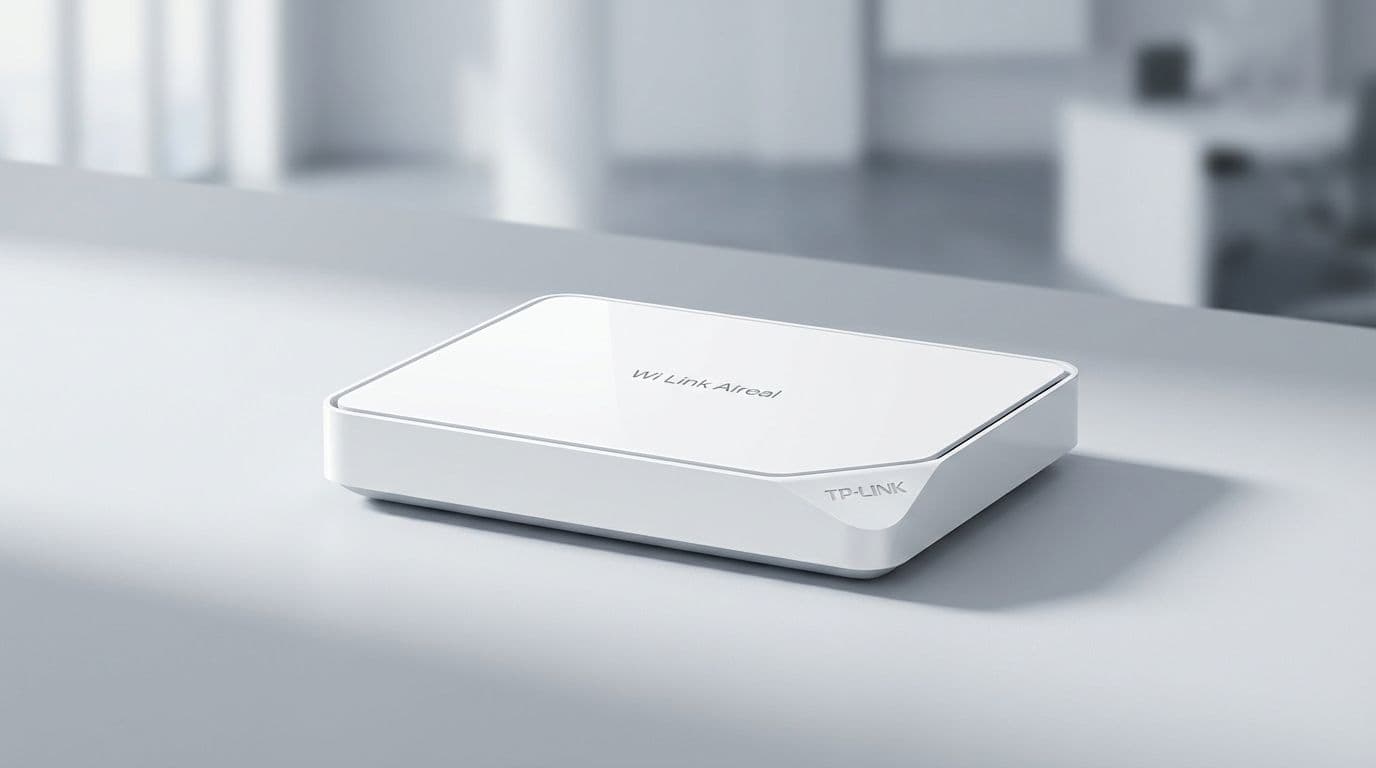
TP-Link Aireal Review: AI Smart Home Assistant & Network Troubleshooter
Team Gimmie
1/6/2026

Beyond the Blinking Red Light: Is TP-Link Aireal the Smart Home Hero We Need?
You are in the middle of a high-stakes Friday afternoon meeting, or perhaps you are finally sitting down for the season finale of your favorite series, and it happens. The spinning wheel of death appears. You look over at your router and see it: the dreaded, pulsing red light. It is the universal signal for tech frustration, usually followed by the frantic unplugging of cables, a desperate hunt for a paperclip to hit a recessed reset pin, and twenty minutes of praying to the internet gods.
The smart home was supposed to solve these headaches, but for most of us, it has just added more apps to manage and more points of failure to worry about. TP-Link, the company behind some of the most reliable networking gear on the market, thinks it has the answer. At CES this year, they unveiled Aireal, an AI assistant baked directly into their Tapo and Deco ecosystems. It is designed to be the brain of your home, but after years of seeing AI buzzwords slapped onto everything from toothbrushes to toasters, it is worth asking: Is Aireal a genuine breakthrough or just more marketing fluff?
Making the Smart Home Actually Smart
At its foundation, Aireal is an integrated AI assistant that lives inside the Tapo smart home app and the Deco mesh Wi-Fi app. Unlike a standard voice assistant that just triggers a switch, Aireal is designed to understand context and intent through natural language. Instead of navigating through three sub-menus to find a specific lighting scene, you can simply tell the app what you want to achieve.
TP-Link’s vision for this is fairly broad. You could tell Aireal to set the mood for a movie, and it would theoretically coordinate your Tapo L530E smart bulbs and Tapo P110 smart plugs to dim the lights and turn on the media center simultaneously. It is aiming for a level of cohesion that usually requires hours of manual routine-building. For those already using the Tapo C225 security cameras or the myriad of sensors in the TP-Link lineup, Aireal acts as the conversational glue holding it all together.
The Real Value: Ending the Troubleshooting Nightmare
The most intriguing—and arguably most useful—part of Aireal isn't the light-dimming; it’s the network management. This is where TP-Link has a chance to solve a massive pain point for the average consumer.

Consider the "old way" of fixing a Wi-Fi issue. You’d have to open a browser, type in a cryptic IP address like 192.168.1.1, log in with a password you’ve almost certainly forgotten, and navigate a labyrinth of settings like SSID broadcasts, channel widths, and DNS suffixes. For 90 percent of people, this is a nightmare.
With Aireal, TP-Link is promising the "new way." You open the Deco app and type, "Why is the Wi-Fi slow in the guest room?" The AI doesn't just give you a generic FAQ link. It analyzes the signal strength of your Deco BE85 mesh units, checks for interference from neighboring networks, and might suggest something as simple as, "The guest room node is too far from the main router. Move it ten feet closer to the hallway for a 30 percent speed boost."
If Aireal can successfully bridge the gap between complex networking data and plain English, it transforms the router from a mysterious black box into a helpful co-pilot.
Who Should Be Buying Into the Aireal Ecosystem?
Right now, Aireal is a compelling reason to stay within the TP-Link family, but it isn't necessarily a reason to throw out your existing gear just yet.
The Power User: If you are already running a high-end setup like the Deco BE85 (a Wi-Fi 7 powerhouse), Aireal is the icing on the cake. It allows you to manage massive throughput and dozens of devices without needing a degree in network engineering.
The Smart Home Novice: For someone who just bought their first Tapo P110 smart plug to monitor energy usage or a few bulbs for the bedroom, Aireal lowers the barrier to entry. It makes the "smart" part of the smart home feel intuitive rather than like a secondary chore.
The Frustrated Parent: We all know the person who is constantly being asked by their kids why the gaming console is lagging. Aireal is for them. It provides a quick, conversational way to diagnose issues and even manage screen time or bandwidth priority without digging through parental control settings.
Gifting the Gift of Fewer Tech Support Calls
If you are looking for a gift that actually improves someone’s daily life, TP-Link’s Aireal-compatible hardware is a strong contender. But you have to be strategic.
For the person moving into a new home, a Deco Mesh System (like the X55 or the premium BE85) is an elite gift. Including the promise of AI-assisted troubleshooting makes it even more attractive—it’s essentially gifting them a built-in tech support specialist.
For a smaller gesture, a "Smart Starter Kit" featuring the Tapo L530E bulbs and a few P110 plugs is a great way to introduce someone to the ecosystem. Because Aireal lives in the app, these relatively inexpensive devices become much more capable. However, a word of caution: make sure the recipient is comfortable using an app-based assistant. If they prefer physical switches and zero phone interaction, the AI benefits will be lost on them.
Gimmie AI Verdict
Status: Cautiously Optimistic
Buy It If: You are already invested in Tapo or Deco hardware, or you are tired of playing amateur IT guy every time your Netflix buffers. The natural language troubleshooting is a potential game-changer for home networking.
Wait If: You are looking for a universal assistant that controls every brand of device in your home. Aireal is currently a walled garden. While TP-Link is moving toward Matter support, the deepest AI features are currently locked to their own hardware.
The Path Forward: Hype vs. Help
TP-Link is clearly aiming to be more than just a hardware manufacturer; they want to be the intelligence behind the hardware. Aireal represents a shift from "connected devices" to "smart systems." The success of this initiative won't be measured by how many people use it to change their light colors, but by how many people it saves from the frustration of a blinking red light.
As with any first-generation AI tool, there will likely be growing pains. We will need to see if the AI can handle complex, multi-device environments or if it will occasionally hallucinate solutions that don't quite work. But for now, the promise of a home that can explain its own problems in plain English is a future worth getting excited about. If you are a TP-Link user, update your apps and give it a spin—your router might finally have something useful to say.