Tomora Come Closer Review: 90s Dance Music Revival
Read our review of Tomora's 'Come Closer', the new album from Aurora and Tom Rowlands. Discover its 90s dance music roots and the best gear to hear it.

By Team Gimmie
Updated August 27, 2026
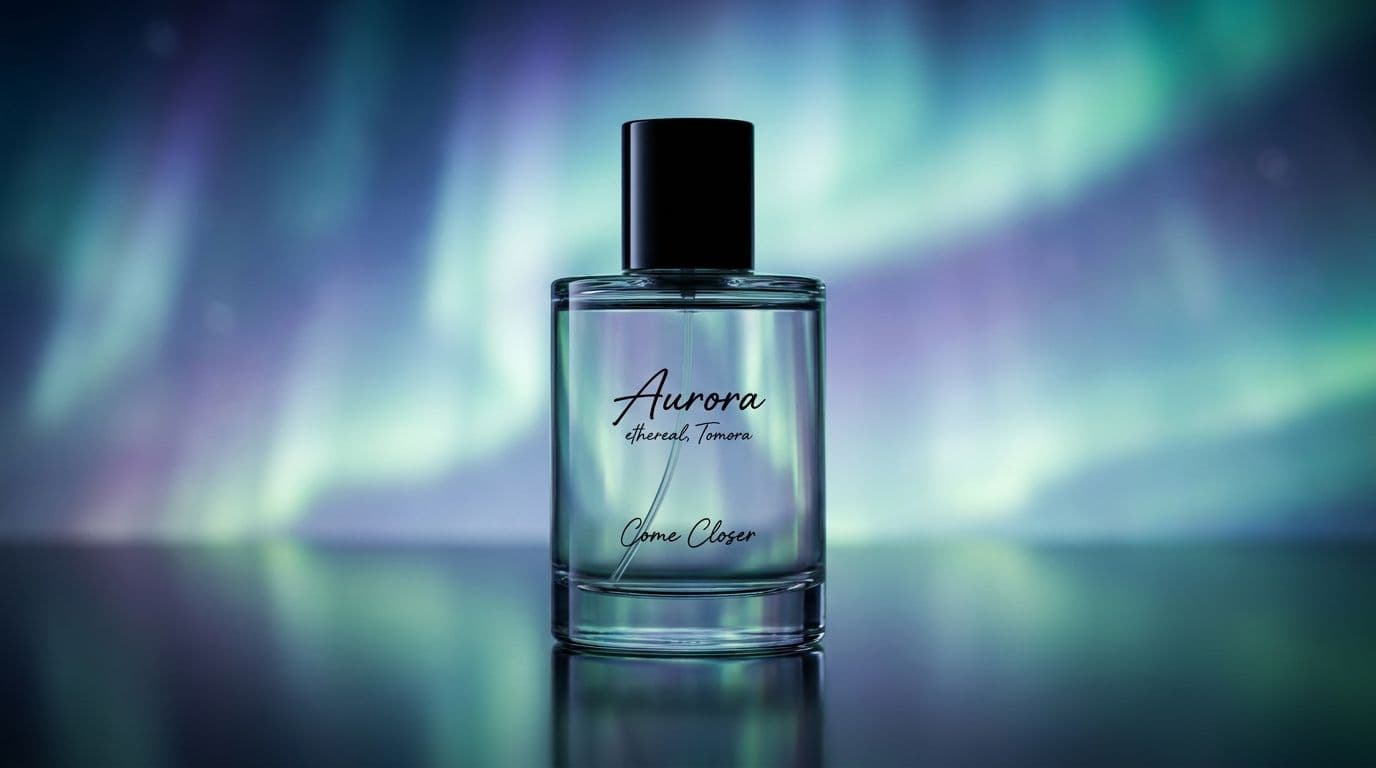
My Coachella experience started with a glitchy television and a lagging stream, but it ended with the most hypnotic discovery of the festival. Because my tech was acting up, I accidentally clicked into the wrong live feed, only to find two ethereal Nordic women pounding giant drums to a relentless techno beat. I was supposed to be watching something else, but I couldn’t look away. It was tribal, futuristic, and completely unexpected.
It wasn’t until later that I realized what I had stumbled upon: Tomora. This isn't just another indie project; it’s a high-powered collaboration between Norwegian singer-songwriter Aurora and Tom Rowlands, one-half of the legendary Chemical Brothers. Their album, Come Closer, is the result of that collision. It is an unapologetic, ecstatic love letter to 90s dance music, written by someone who helped define the era and someone who seems to have descended from a different dimension to sing over it.
The Big Beat DNA and the 90s Revival
To understand Come Closer, you have to understand the specific lineage Tom Rowlands brings to the table. We’re talking about the architect of Big Beat—that mid-90s movement that fused heavy breakbeats with psychedelic rock and techno energy. In this album, Rowlands doesn’t just mimic that sound; he revitalizes it.
The core of the record is built on pulsating basslines and driving four-on-the-floor rhythms that feel like they were ripped straight from a 1994 warehouse rave. However, the secret weapon here is Aurora. Her haunting, otherworldly vocals float above the mechanical chaos, providing a melodic anchor that 90s club tracks often lacked. While the era was famous for looped vocal samples and repetitive chants, Aurora delivers full-bodied emotional narratives.
On the title track, Come Closer, the transition from a sparse, atmospheric opening into a full-blown dance floor banger is masterfully executed. It captures that specific moment in a DJ set where the tension finally snaps and the room explodes. It’s familiar territory for Rowlands, but Aurora’s presence makes it feel like a brand-new discovery.
Polished Production vs. Raw Energy
If there is a critique to be made, it’s that the album occasionally feels a little too curated. For those who grew up on the gritty, sometimes dangerous-sounding underground rave scene of the early 90s, Come Closer might feel a bit sanitized. The production is pristine—every kick drum is perfectly tuned, and every synth sweep is exactly where it should be. It’s a product of two masters at the top of their game, which means some of the "happy accidents" and rough edges that defined early electronic music are missing.