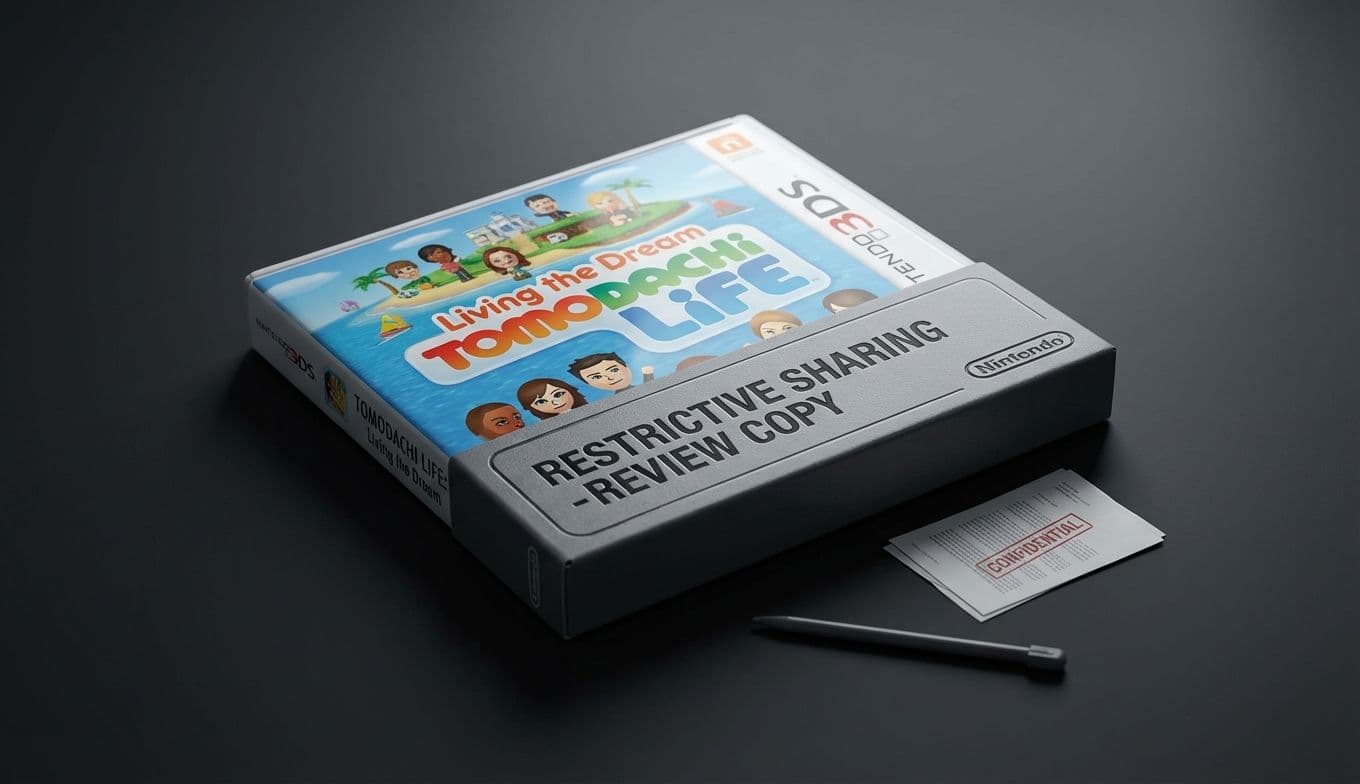
Tomodachi Life: Living the Dream Review (Nintendo Switch)
Team GimmieThe Absurdist Soap Opera Nintendo Wants You to Keep Secret
Imagine Handsome Squidward and Bob Belcher falling head-over-heels in love, bonded by a shared, peculiar appreciation for cannibalism. Or perhaps your real-life cat, rendered as a Mii, marries a sentient pineapple only to spend its days arguing over who left the toilet seat up. This isn't a fever dream; it is the daily reality of Tomodachi Life: Living the Dream.
The latest installment in Nintendo's quirky life simulation series for the Switch is essentially a high-octane joke-generating machine. It is a digital dollhouse where your Miis—whether they are based on your high school crush, historical figures, or internet memes—live out bizarre, unpredictable lives. While the game provides more tools and fewer constraints than its 3DS predecessor to craft these narratives, it creates a frustrating paradox: it is a game built for communal laughter that Nintendo has locked inside a walled garden.
The Comedy of the Unpredictable
At its core, Tomodachi Life: Living the Dream isn't about deep strategy or complex combat. It is about emergent humor. The Switch version expands on the original's weirdness, offering deeper customization and more frequent random events. You aren't playing a game so much as you are a witness to a chaotic soap opera. The magic lies in the lack of control; you provide the cast and the environment, but the game provides the script, which usually reads like it was written by an AI that spent too much time on a meme forum.
For the creative player, this is a playground. You can spend hours designing the perfect island community, only to be rewarded by seeing a Mii of your boss performing a heavy metal power ballad about how much they love broccoli. It is pure, unadulterated whimsy that serves as a perfect digital escape from the stresses of the real world.
The Social Friction: A Bucket of Confetti in a Storm Cellar
Here is where the dream starts to fray. Tomodachi Life is a game that practically begs to be shared. In a modern gaming landscape where social connectivity is the backbone of the experience, the funniest moments in Living the Dream often feel trapped.
Nintendo seems perfectly content to let these inside jokes remain just that—inside. While you can technically take screenshots and capture video clips on the Switch, the process of getting that content off the console and into a group chat or a social feed remains unnecessarily cumbersome. It feels like being given a bucket of confetti and told you can only throw it within a ten-foot radius.

In a game where the value is entirely derived from the absurdity of the situations, the inability to easily broadcast those situations is a major oversight. This isn't just about general gaming trends; it is about the fact that Tomodachi Life is essentially a meme-making factory that doesn't have a conveyor belt to the outside world.
Gift Compatibility: Should You Buy This?
Because of the unique nature of this game and its specific limitations, it isn't a universal recommendation. If you are looking to buy this as a gift, use this checklist to see if it’s the right fit for your recipient.
The Social Media Creator: Proceed with Caution. If the person you are buying for loves to stream or post every funny moment of their gaming life, the friction of the Switch’s sharing system might frustrate them. They will love the game’s content but hate the hoops they have to jump through to share it.
The Solo Casual Gamer: A Perfect Match. For someone who plays games to unwind and doesn't care about an online presence, this is a goldmine. They will enjoy the personal, private jokes and the low-stakes management of their virtual island.
The Former Miitopia Fan: A Strong Contender. If they enjoyed the Mii-centric RPG Miitopia, they will likely love the character interactions here. However, be aware that Tomodachi Life is much less of a game and much more of a simulation.
The Younger Audience: Highly Recommended. Children and families often find the inherent silliness of the Miis endlessly entertaining. Since the game steers clear of truly inappropriate content, it is a safe, creative outlet for younger players who don’t yet care about social media sharing anyway.
The Price of Absurdity
A significant factor to consider before hitting the checkout button is the price point. Tomodachi Life: Living the Dream is positioned as a full-price $59.99 title. This is a steep ask when you compare it to other Mii-centric titles like Miitopia, which often retails for significantly less.
In terms of content volume, you are paying for the longevity of the simulation. While Miitopia has a clear beginning, middle, and end, Tomodachi Life is an endless sandbox. However, whether that sandbox justifies a full-price tag depends on how much you value passive entertainment. If you want a game that you actively play, this might feel thin. If you want a game that you check in on to see what nonsense is happening today, the value is there.
The Final Verdict
Tomodachi Life: Living the Dream is a brilliantly weird experience that offers some of the most genuine laughs you will find on the Nintendo Switch. It is a testament to Nintendo’s ability to embrace the strange and the whimsical.
However, its insular nature is a missed opportunity. By making it difficult to share the very moments that make the game special, Nintendo has limited the game’s potential to become a viral sensation. It is a fantastic game for the right person—the person who is happy to be the sole curator of a bizarre, private world.
If you’re looking for a unique gift that keeps on giving, and the recipient doesn't mind keeping the jokes to themselves, this is a winner. Just be prepared for them to try and explain why their cat marrying a pineapple is the funniest thing that’s happened all week, knowing you had to be there to truly get it.