The Fort Strength Tracker Review (2026): Best VBT Device?

The Fort Strength Tracker Review (2026): Best VBT Device?

Team GimmieTeam Gimmie
Published on March 11, 2026

From Tesla to the Squat Rack: Why The Fort is Changing the Strength Game

Strength training has a bit of an image problem. For decades, the narrative has been dominated by the sound of clanging iron and the sight of hulking figures grunting through a set of heavy squats. It feels exclusive, intimidating, and—to the uninitiated—a little bit dangerous. But what if the secret to getting stronger wasn't about pushing until your eyes pop, but about moving with mathematical precision?

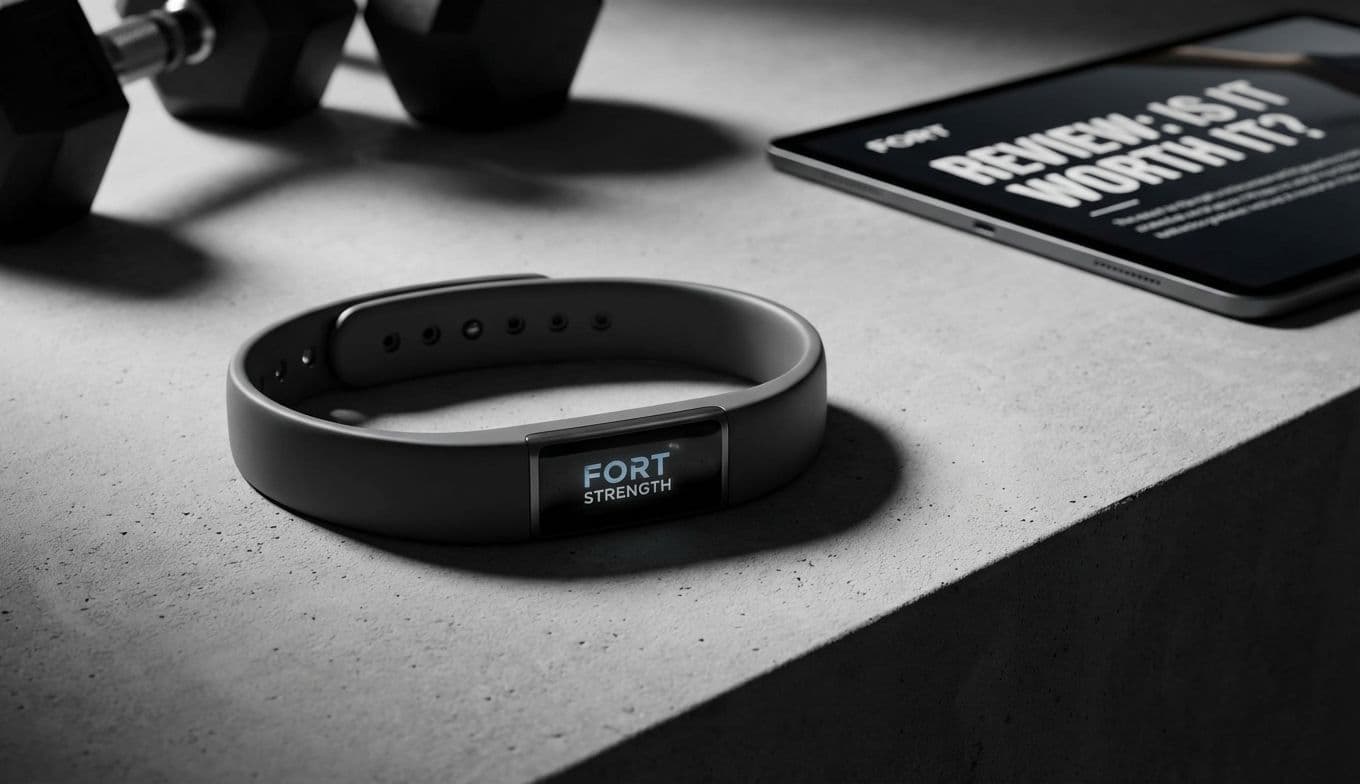
Enter The Fort. Developed by a trio of former Tesla engineers, this isn't just another fitness tracker to add to your collection of rubber wristbands. It is a sophisticated bar velocity tracker designed to bring elite-level data to the everyday athlete. As someone who has tested everything from high-end smart mirrors to glitchy motion-tracking apps, I went into this review with a healthy dose of skepticism. However, The Fort manages to do something rare: it takes complex automotive-grade engineering and hides it inside a device so simple a beginner could use it on day one.

The Engineering of Effort

Why does it matter that The Fort was built by ex-Tesla engineers? In the world of electric vehicles, precision is everything. A sensor that misreads a fraction of a second can be the difference between a smooth stop and a fender bender. The Fort applies that same obsession with accuracy to the barbell.

Most entry-level strength trackers rely on your smartphones camera or basic accelerometers found in cheap smartwatches. These are notorious for "drift"—the data gets fuzzier the longer you work out. The Fort utilizes high-frequency inertial measurement units (IMUs) and proprietary algorithms that filter out the noise of a shaky gym floor or a slightly tilted bar. It treats your barbell like a piece of high-performance machinery.

The result is a device that offers laboratory-grade Velocity-Based Training (VBT). In plain English, it measures how fast you move the weight. This is the gold standard for professional athletes because velocity is the most honest indicator of readiness. If your bar speed drops by 20 percent, you are fatigued, and your form is likely about to break. By catching this decline before you do, The Fort acts as a digital safety net, preventing the "one last rep" that usually leads to a pulled lower back.

The Quick Hits: The Fort at a Glance

For those who want the highlights before we dive deeper into the data:

The Good:

  • High-precision tracking that beats phone-based apps every time.
  • Ultra-strong magnetic mount that stays put during heavy drops.
  • A sleek, intuitive app that skips the fitness jargon.
  • Prevents overtraining and injury by identifying hidden fatigue.

The Not-So-Good:

  • At roughly 450 dollars, it is a significant investment compared to free apps.
  • Only useful for barbell or plate-loaded movements (not for cardio or yoga).
  • Requires a smartphone nearby to view real-time data.

The Competitive Landscape: Where The Fort Fits In

To understand the value of The Fort, you have to look at what else is on the shelf. For years, the market has been split between two extremes. On one end, you have tethered devices like Vitruve, which use a physical string attached to the bar. They are incredibly accurate but can be a hassle to set up in a crowded commercial gym. On the other end, you have wireless units like RepOne.

The Fort occupies a premium middle ground. While Vitruve might appeal to the professional strength coach, The Fort is designed for the person who wants that same accuracy without the literal strings attached. The device uses a proprietary industrial-grade magnetic clip. You don't have to fumble with Velcro straps or plastic brackets; you simply snap it onto the center of the bar or the sleeve, and it stays there through the most violent power cleans.

Price-wise, it sits squarely in the "investment" category. At nearly 500 dollars, it is more expensive than a basic accelerometer like the TrainWithPush (now part of Whoop), but it offers a level of build quality and software integration that justifies the gap. You are paying for the sensors that wont fail after six months of being tossed in a gym bag.

Democratizing Strength: Not Just for the Pros

The most compelling argument for The Fort is its role in "democratizing" strength. Usually, when people talk about tech for beginners, they mean "watered down." The Fort takes the opposite approach. It gives beginners the same data a pro would use to stay safe.

Consider the "Ego Lifting" trap. We have all been there—adding weight to the bar because the person next to us is lifting more, even though our form is falling apart. The Fort removes the guesswork. It provides a real-time "Velocity Loss" score. When the app sees your speed dipping into the danger zone, it tells you to stop. This is how the tech prevents injury. It isn't just counting reps; it is measuring the quality of those reps. For a beginner training alone in a garage, this is the closest thing to having a world-class coach standing over your shoulder.

Who Should Put This Under the Tree?

If you are looking at The Fort as a gift, you need to know your audience. This isn't a "thought that counts" kind of purchase; it is a tool for someone who is already committed to the grind.

The Data-Obsessed Home Gym Owner: If they have spent thousands on a power rack and plates, this is the missing piece of the puzzle. It turns a "dumb" home gym into a "smart" one. The Aging Athlete: For the lifter in their 40s or 50s who still loves to train heavy but needs to be smarter about recovery, The Fort is a godsend. It helps them avoid the overtraining that leads to chronic joint pain. The Tech Enthusiast: If they wait in line for the latest iPhone and have a Tesla in the driveway, they will appreciate the industrial design and the "clean" software interface.

The Bottom Line

The Fort Strength Training Wearable is a rare example of a product that actually lives up to its "engineered by experts" marketing. By leveraging automotive-grade hardware to solve the common accuracy issues of older trackers, it has created a device that is both professional enough for an elite athlete and simple enough for a weekend warrior.

It moves the conversation away from "how much do you lift?" and toward "how well do you move?" In a world where we track our steps, our sleep, and our heart rate, it was only a matter of time before we started tracking the most important metric of all: our actual physical power. If you are serious about your progress—or serious about gifting something that will genuinely change how someone trains—The Fort is the smartest play on the market for 2026.