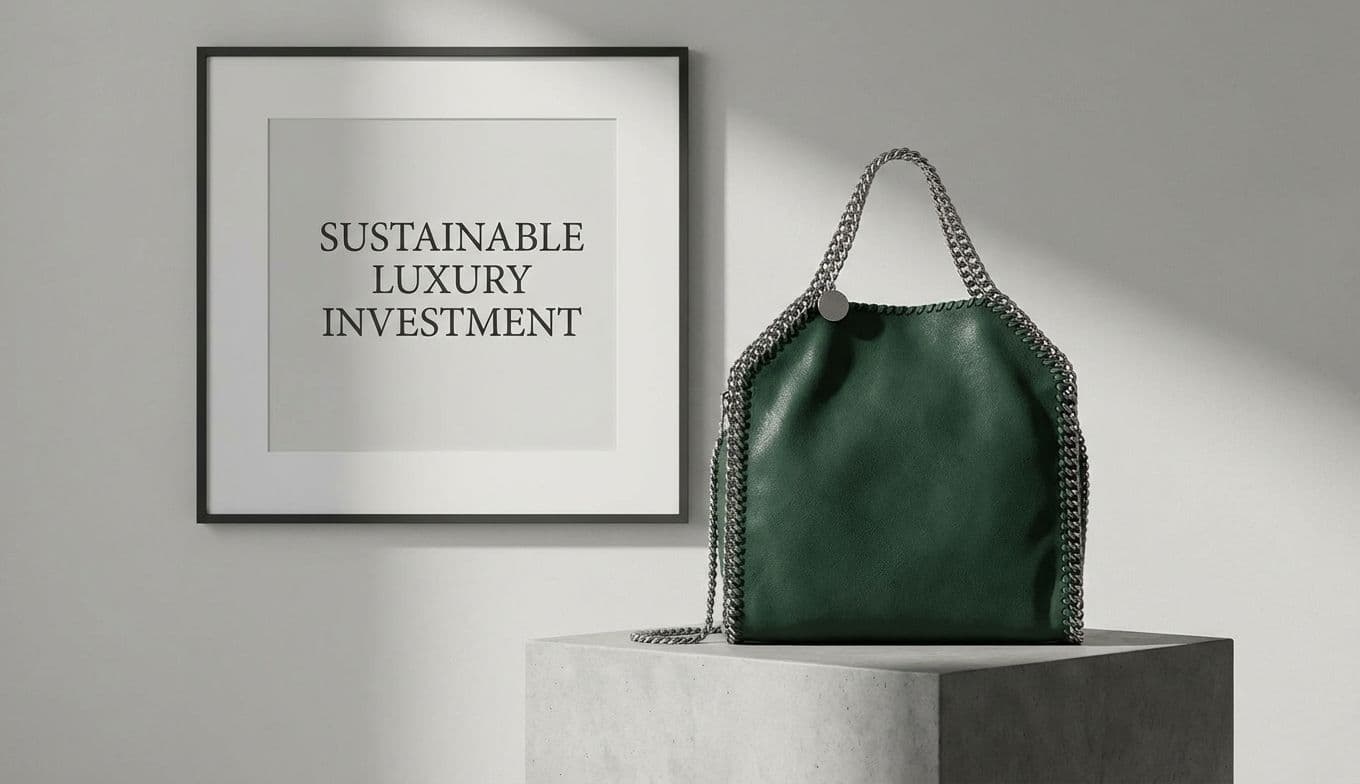
Sustainable Luxury Investment: The New Standard of Splurge
Team GimmieThe New Standard of Splurge: Why Sustainable Luxury is the Only Real Investment Left
For a long time, the word luxury was synonymous with excess. It was about the rarest skins, the flashiest logos, and a certain "more is more" attitude that rarely stopped to ask where a product came from or where it would end up. But the golden age of mindless consumption is over. According to the latest data from Farfetch, a staggering 71% of UK luxury shoppers now prioritize sustainability when they make a purchase. This isn't just a niche group of eco-warriors; it’s the new majority.
As someone who has spent years dissecting trends, I’ve learned to spot the difference between a passing fad and a fundamental cultural shift. This is the latter. We are witnessing a total reevaluation of what "premium" actually means. Today, true luxury isn't just about how an item looks on your shelf; it’s about the integrity of its story and its ability to hold value over time. If you’re planning your next big purchase or looking for a gift that truly resonates, it’s time to look beyond the price tag and into the soul of the brand.
The Rise of the Wardrobe Portfolio
One of the most telling insights from the Farfetch report is that nearly half of all luxury consumers now view their fashion purchases as financial investments. This is a massive departure from the "disposable" mindset of the last decade. People aren't just buying a bag; they’re buying an asset.
When you invest in a piece from a brand like Hermes or Chanel, you aren't just paying for the name. You're paying for a product that often retains—or even increases—its value on the secondary market. Platforms like The RealReal and Vestiaire Collective have transformed the way we shop. By choosing items with high resale potential, you’re participating in a circular economy. A sustainable purchase is one that never sees a landfill because its quality and timelessness ensure it will be passed from one owner to the next for decades.
This investment mindset is the ultimate bridge between sustainability and savvy shopping. When a piece is built to last twenty years instead of two seasons, its environmental footprint is drastically reduced. It’s the "buy less, buy better" mantra put into actual practice.

Brands Putting Their Money Where Their Materials Are
So, who is actually doing this right? It’s easy for a brand to put "eco-friendly" in a press release, but true sustainability requires a deep dive into the supply chain.
Take Stella McCartney, for example. She has been the undisputed pioneer of this movement for years, refusing to use leather, feathers, or fur while pushing the boundaries of material science. When you buy a McCartney piece, you’re often wearing innovations like Mylo (a leather alternative made from mycelium) or GRS-certified recycled cashmere. This isn't just "good for the planet"—it’s cutting-edge design that happens to be conscious.
In the world of jewelry and watches, the shift is equally dramatic. Brands like Chopard have committed to using 100% "Ethical Gold," ensuring that the raw materials are sourced from small-scale mines that participate in the Swiss Better Gold Association. When you gift a piece of jewelry made from recycled or ethically mined metals, you’re gifting a clean conscience along with the sparkle.
The Ultimate Sustainable Flex: The Repair Culture
If you want to know if a brand is truly committed to sustainability, look at what happens after you leave the store. Does the relationship end at the register, or do they help you maintain the item for life?
Barbour is the gold standard here. Their "Wax for Life" program is a masterclass in circularity. Every year, they rewax and repair over 60,000 jackets, some of which are decades old. Gifting a Barbour jacket isn't just giving someone a piece of outerwear; it’s giving them a lifelong companion that will only look better with every patch and stitch.
This focus on repairability is the antithesis of fast fashion. It celebrates the "patina" of a life well-lived. Whether it's a Brunello Cucinelli sweater that can be sent back for expert mending or a Patek Philippe watch designed to be "looked after for the next generation," these brands understand that longevity is the truest form of sustainability.
The Gifter’s Sustainability Checklist
When you’re standing in a boutique or scrolling through a luxury site, it can be hard to cut through the marketing fluff. To make sure your gift has staying power, keep this checklist in mind:
- Material Integrity: Look for GRS-certified (Global Recycled Standard) recycled metals or fabrics. Is the leather vegetable-tanned? Is the cotton organic?
- Repair Services: Does the brand offer an in-house repair or restoration service? A lifetime warranty is the strongest signal of quality.
- Resale Value: Check platforms like Vestiaire Collective. Does this brand hold its value? High resale demand is a proxy for timeless design and durable construction.
- Transparency: Can the brand tell you exactly which factory produced the item? Ethical production isn't a secret; brands doing it right are usually proud to share their sources.
- Circularity: Does the brand have a take-back program or use recycled "deadstock" fabrics from previous seasons?
The New Bottom Line
The data is clear: luxury is evolving, and it’s about time. We are moving away from a world of "it-bags" that expire after six months and toward a world where the most prestigious thing you can own is something that lasts forever.
Choosing sustainable luxury isn't about making a sacrifice. You don’t have to give up the buttery feel of a high-end knit or the precision of a Swiss movement. In fact, by demanding better materials and ethical production, you’re often getting a superior product. You’re buying something that was crafted with care, intended to be kept, and designed to hold its value.
Next time you’re ready to make a significant purchase, ask yourself if it meets the new standard. Does it respect the people who made it? Does it respect the planet? And most importantly, will it still be beautiful twenty years from now? When the answer is yes, you’ve found a piece of true luxury. And that is an investment always worth making.