
Steve Jobs Design Philosophy: The Ultimate Tech Gift Buying Guide
Discover how Steve Jobs' design philosophy for the iMac, iPod, and iPhone can help you choose the perfect tech gifts. Prioritize experience over specs!

By Team Gimmie
Updated August 27, 2026
The Sensory Experience of a Revolution
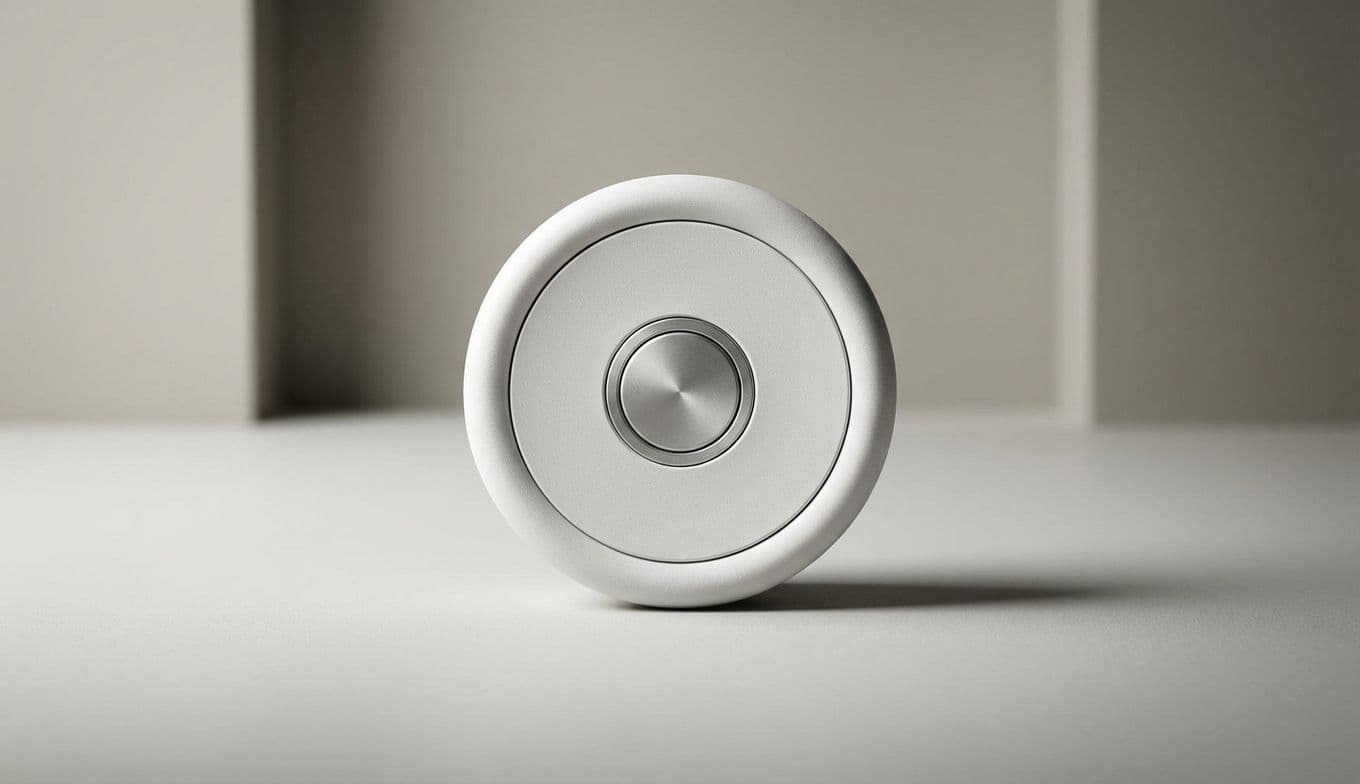
Remember the first time you slid the lid off an original iPod box? It wasn’t just a gadget; it was a sensory event. There was that specific vacuum-sealed resistance of the cardboard, the pristine white plastic resting under a clear film, and that first tactile click of the scroll wheel. It didn’t feel like electronics; it felt like a promise. In an era of clunky, grey plastic and instruction manuals the size of phone books, Steve Jobs handed us something that felt human.
While the tech world is obsessed with the next spec bump or the latest AI buzzword, we often forget that the greatest product run in history—the second act of Steve Jobs at Apple—wasn’t built on gigahertz or RAM. It was built on the radical idea that technology should be a joy to use. Today, as we navigate a market flooded with over-engineered "smart" devices, those principles are more relevant than ever for anyone trying to buy a gift that actually matters.
Beyond the Beige: Why Design Is a Feature
When Jobs returned to Apple in 1997, the industry was a sea of beige boxes. Computers were tools for accountants, hidden under desks. Then came the 1998 iMac. With its translucent Bondi Blue casing and integrated handle, it dared to be a piece of furniture. It was the first time a computer felt like it had a personality. Jobs understood that if you’re going to spend eight hours a day with a device, you should probably like looking at it.
Gimmie AI Takeaway: Look for Personality Gear When you’re shopping for a tech gift today, ignore the spec sheet for a moment. Ask yourself: Does this look good on a desk? Does it feel premium in the hand? A modern example of this "Jobsian" design philosophy is the Nothing Phone (2a). Much like the original iMac, it uses transparency and a unique light-based interface (the Glyph) to turn a utilitarian tool into a conversation piece. If a product doesn't spark a bit of visual joy before you even turn it on, keep looking.
The iPod Lesson: Experience Trumps Specs
Launched in 2001, the iPod wasn’t the first MP3 player, and by technical standards, it wasn’t even the most powerful. But it won because Jobs obsessed over the friction of the user experience. While competitors were bragging about storage capacity in megabytes, Jobs sold "1,000 songs in your pocket." The click wheel allowed you to fly through a massive library with one thumb. It was intuitive to the point of feeling invisible.
