
Stellantis EV Crisis: Why Hybrids Are the Safer Family Car Investment
Stellantis faces a $26.5B write-down due to EV strategy struggles. Learn why hybrids offer better value retention and reliability for your next family car purchase.

By Team Gimmie
Updated September 2, 2026
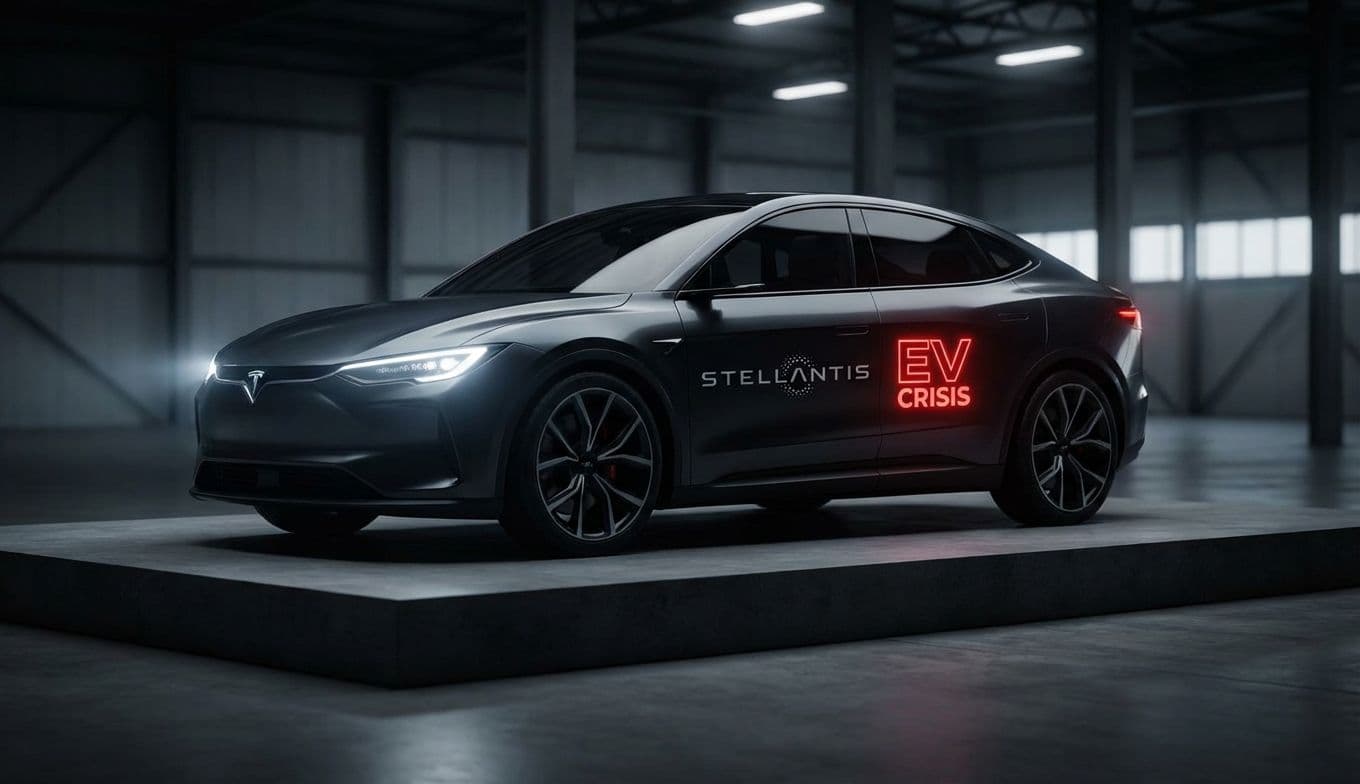
THE 26 BILLION DOLLAR CAUTIONARY TALE: RETHINKING THE MAJOR FAMILY AUTO INVESTMENT
It is one thing to misread a consumer trend, but it is quite another to drive a multi-billion dollar conglomerate into a financial ditch. Stellantis—the parent company behind iconic brands like Jeep, Dodge, and Ram—recently hit a wall that should make every household pause. The company is facing a staggering 26.5 billion dollar write-down, a figure so massive it wiped out a quarter of its stock value almost instantly.
While the industry at large is feeling the cooling of the electric vehicle (EV) market, Stellantis’s situation is uniquely self-inflicted. They didn't just dip their toes into the electric transition; they sprinted toward it, seemingly ignoring the fact that their core customers might not be ready to follow. For anyone currently considering a vehicle as a major family investment—whether it is a gift for a recent graduate, a retirement present to yourself, or a milestone purchase for a growing household—this financial meltdown serves as a vital reality check.
THE IDENTITY CRISIS: WHEN RUGGED MEETS THE GRID
The struggle at Stellantis highlights a fundamental friction between brand identity and new technology. For decades, Jeep and Ram have built their reputations on "go-anywhere" capability. They are brands that live in the mud, on the ranch, and in the mountains. However, "anywhere" doesn't always have a Level 3 fast-charger.
By pivoting aggressively toward full electrification, Stellantis risked alienating the very drivers who rely on their vehicles for long-haul towing and off-grid reliability. It is difficult to sell a rugged, trail-rated lifestyle when the driver is constantly tethered to a charging map. We are seeing a mismatch between what corporate boardrooms want and what the actual American driveway requires. When you buy a vehicle as a significant investment, you are buying into the longevity of that brand’s vision. Right now, that vision looks a bit blurred, and the financial markets are punishing them for it.
INVESTING IN MILESTONES: THE FOREVER CAR PROBLEM
When we talk about "car gifts," we aren't usually talking about a bow on a toy; we are talking about milestone life events. Maybe it is the "first real car" for a daughter starting her professional life, or a heavy-duty truck for a spouse who finally has the time for that cross-country hobby. These are "forever cars"—investments intended to hold their value and serve their owners for a decade or more.
