Smart Plugs in 2026: What to Know Before You Automate

Smart Plugs in 2026: What to Know Before You Automate

Team GimmieTeam Gimmie
Published on April 16, 2026

The Smart Plug Reality Check: What to Know Before You Automate Everything

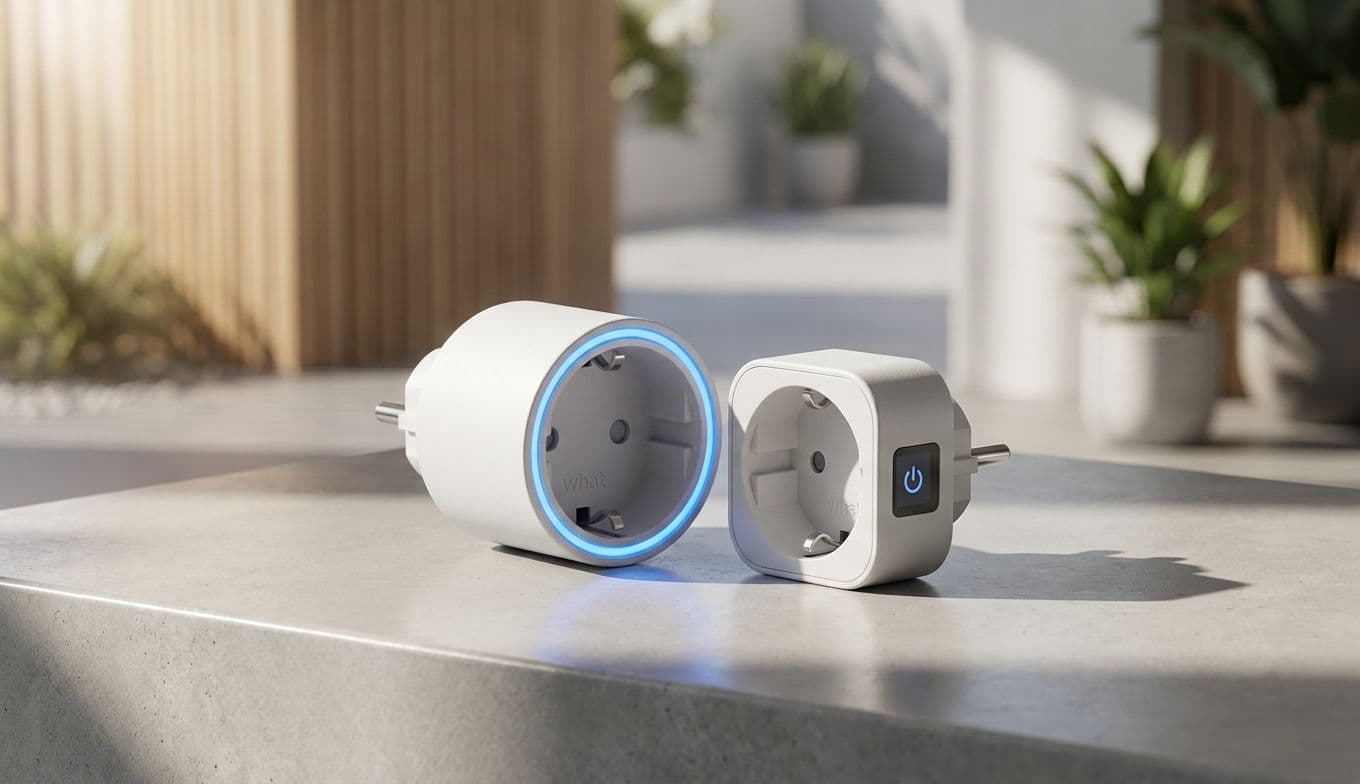
Let’s talk about smart plugs. You’ve seen them everywhere—those little white blocks that promise to turn your grandmother’s vintage floor lamp into a voice-controlled marvel of the future. It sounds like a scene from a sci-fi movie, but the reality of 2026 is a bit more grounded. As someone who has spent years wrestling with home automation and testing more gadgets than my Wi-Fi router can technically handle, I can tell you that smart plugs are fantastic. They are also, quite frequently, a waste of money if you don’t know their limitations.

They won’t give your toaster artificial intelligence, and they won't fix a poorly designed appliance. But if you understand the rules of the road, they can make your daily life genuinely more convenient and even save you a few bucks on your power bill.

The Golden Rule: The Mechanical Switch Test

Before you spend a single dollar on a smart plug, there is one technical hurdle you have to clear. I call it the Click Test. Smart plugs work by cutting and restoring power at the outlet. For this to actually control your device, the device needs a physical, mechanical on/off switch—the kind that stays clicked in the on position even when you pull the plug from the wall.

Think about a basic desk lamp. If you leave the switch on and unplug it, then plug it back in, the light immediately turns on. That is a perfect candidate for a smart plug. Now think about your microwave or a modern coffee maker with a digital display and touch-sensitive buttons. If the power goes out and comes back on, those devices usually sit in standby mode, waiting for you to press Start. A smart plug can’t press that button for you.

Pro Tip: Before buying a plug for an appliance, try this test. Turn the appliance on, then pull the plug out of the wall. Wait ten seconds and plug it back in. If the device starts running again immediately without you touching a button, you’re good to go. If it just blinks 12:00 at you, a smart plug will be useless for anything other than completely killing its power.

When to Plug In: Real-World Wins

The real magic of a smart plug isn't just turning things off from your phone; it’s about the peace of mind that comes with automation.

Lamps and Atmosphere: This is the classic use case for a reason. Imagine coming home to a lit house rather than fumbling for a switch in the dark. By setting a schedule so your living room lamps turn on at sunset, you add a layer of security and comfort. For a tech-averse relative, setting this up for them is a gift that keeps giving every single evening.

The Morning Coffee Hack: If you have a simple drip coffee maker with a physical flip switch, the smart plug is your best friend. You can prep the water and grounds the night before, leave the machine clicked to on, and then trigger the brew from your phone while you’re still under the covers. Those extra five minutes of sleep are worth the price of the plug alone.

Fans and Humidifiers: Running a bedroom fan on a schedule during summer nights or ensuring your humidifier kicks in only when the air hits a certain dryness is a game-changer. It’s also the ultimate cure for that specific brand of did I leave the fan on? anxiety. You can check the app from the office and breathe a sigh of relief.

The 2026 Standard: Why Matter and Thread Matter

If you’re shopping for smart plugs today, you’ll see two words on the box that didn’t matter a few years ago: Matter and Thread. Do not ignore them. In the past, you had to worry about whether a plug worked with Alexa, Google Home, or Apple HomeKit. It was a fragmented mess.

Matter is the new universal language that allows gadgets from different brands to talk to each other seamlessly. If a plug is Matter-certified, it will work with whatever system you use today and whatever system you might switch to in three years.

Thread is the networking technology. Unlike traditional Wi-Fi plugs that can slow down your internet or lose connection if your router is too far away, Thread-enabled plugs create a mesh network. They are faster, more reliable, and don't require a constant conversation with a cloud server in another country. In 2026, buying a plug that doesn't support Matter is like buying a TV that only plays VHS tapes. It might work for now, but you’re building a dead-end system.

When to Keep It Simple and Skip the Plug

Not everything needs to be smart. In fact, forcing technology onto certain devices is a recipe for frustration.

Skip the High-Heat Appliances: I generally advise against using smart plugs with space heaters or high-wattage kitchen appliances like air fryers. While many plugs are rated for 15 amps, the risk of a software glitch or a faulty relay causing a fire hazard isn't worth the minor convenience of pre-heating your toaster oven.

Avoid Redundant Features: If you have a modern smart TV or a connected thermostat, you don't need a smart plug to control its power. It’s redundant and can actually mess with the device’s internal software updates or cooling cycles.

The Gimmick Factor: If you have a desk lamp that you only use for ten minutes a day while sitting right next to it, the novelty of voice-controlling it will wear off in about forty-eight hours. Don't add complexity where a simple reach-and-click works just fine. Save your money for the devices that actually benefit from a schedule.

Which Plugs Should You Actually Buy?

If you’ve run the Click Test and decided you’re ready to jump in, these are the current gold standards for 2026.

The Best All-Rounder: TP-Link Kasa Matter Smart Plug (KP125M). This is the workhorse of the industry. It’s compact enough that it won't block the second outlet on your wall, it’s Matter-certified, and it includes energy monitoring so you can see exactly how much electricity that old beer fridge in the garage is sucking up. It’s affordable and incredibly reliable.

The Speed Demon: Eve Energy (Matter & Thread). If you want the fastest possible response time and you’re interested in the Thread ecosystem, this is the one. It is slightly more expensive, but the build quality is top-notch and it offers some of the most detailed energy consumption data on the market. It’s a great choice for those who want to future-proof their home completely.

The Budget Pick: Wyze Plug. While Wyze has historically been a Wi-Fi-heavy brand, their latest Matter-compatible iterations offer a great entry point for people who want to outfit a whole room without breaking the bank. They are simple, small, and get the job done.

The Verdict: Smart, But Know Its Limits

Smart plugs are a testament to how accessible home technology has become. They aren't going to revolutionize your life overnight, but they can streamline your routines and give you a satisfying sense of control over your environment.

When used thoughtfully—on lamps, coffee makers, and seasonal decorations—they are a fantastic addition to any home. They make for thoughtful, practical gifts that feel modern without being intimidating. But remember: even the smartest plug on the planet can’t fix a device that wasn't built to be automated. Use the Click Test, look for the Matter logo, and don't overcomplicate things that are already simple. Just because you can control your microwave's power outlet from your phone doesn't mean you should.