Shogun TV Show Aesthetic: Ultimate Samurai-Core Gift Guide & Home Decor
Team Gimmie
1/5/2026

BEYOND THE SCREEN: BRINGING THE SHOGUN AESTHETIC HOME
The historic sweep at the Emmy Awards was only the beginning. With eighteen trophies on the shelf and production officially underway for Season 2, Shogun has transitioned from a mere television hit into a genuine cultural phenomenon. While creators Justin Marks and Rachel Kondo are currently in the writers room promised to defy expectations for the next chapter of Lord Toranagas saga, fans are finding themselves less interested in standard television merchandise and more drawn to the soul of the era the show depicts.
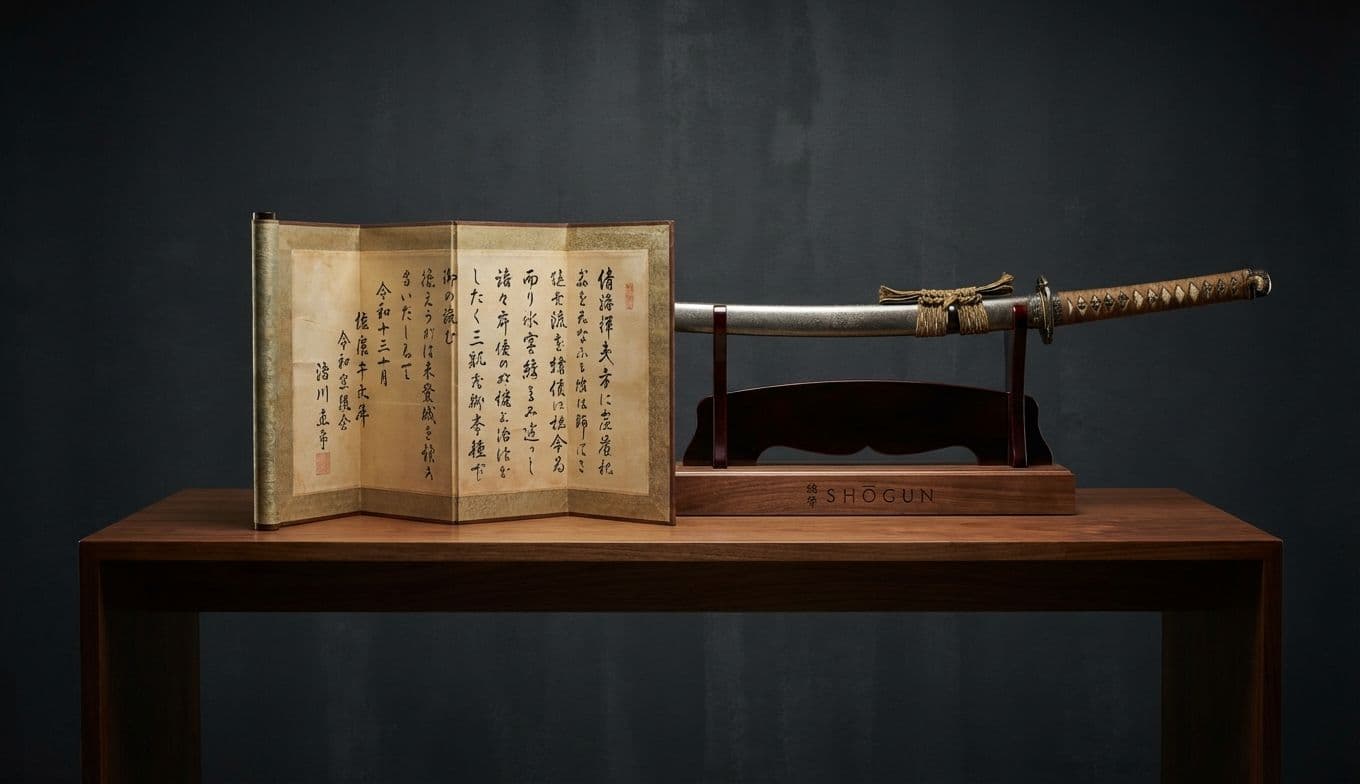
We are witnessing the rise of Samurai-core—a movement that prioritizes the quiet discipline, tactical depth, and unparalleled craftsmanship of 17th-century Japan. If you are looking to gift something to a Shogun enthusiast, or perhaps you are looking to bring that stoic elegance into your own life, the answer does not lie in plastic figurines. It lies in the physical objects that defined a culture of honor and precision.
THE PRECISION OF THE BLADE AND THE RITUAL OF THE TEAPOT
In the world of Shogun, every movement is deliberate. Whether it is a political maneuver or the drawing of a sword, there is no wasted energy. You can bring that same level of intentionality into the modern kitchen through authentic Japanese cutlery.
The Santoku knife is the natural entry point for anyone obsessed with the shows focus on technical mastery. Unlike Western knives, a high-carbon steel Santoku is designed for precision. It is thinner, harder, and holds an edge that mirrors the legendary sharpness of a katana. When you give a hand-forged knife from a heritage brand, you are not just giving a kitchen tool; you are giving an heirloom that requires the same respect and care that a samurai would show their own blade.
To balance the sharp edge of the blade, consider the meditative weight of a Tetsubin. These heavy, cast-iron teapots are staples of Japanese history, known for their ability to retain heat and soften the flavor of water. In a fast-paced world, the act of preparing tea in a traditional vessel is a ritual that forces you to slow down. It is a nod to the tea ceremonies seen in the show—moments where life and death stakes are discussed over the gentle steam of a brew. For a fan of the show, a cast-iron teapot is a daily reminder that even in the midst of war or high-stakes business, there must be room for ceremony.

THE SCHOLAR-WARRIOR’S LIBRARY
Lord Toranaga is not just a warrior; he is a master strategist. His power comes from his ability to read his opponents three moves ahead. For the fan who loves the political chess match of Shogun, the best gifts are those that sharpen the mind.
While many have already read James Clavells original novel, there is a deeper well of history to explore. A luxury, cloth-bound edition of Sun Tzus The Art of War is a perennial favorite, but for a more specific connection to the show, look for the works of Eiji Yoshikawa. His epic novel Musashi offers a legendary look at the life of a samurai and provides a perfect companion piece for those waiting for Season 2.
Beyond fiction, consider gifting high-quality books on Sengoku-period history or Japanese garden design. The aesthetic of the show is deeply rooted in the concept of Ma—the beauty of empty space. A coffee table book that explores the architecture and landscaping of feudal Japan helps a fan understand the visual language that makes the show so striking. It transforms the viewing experience from passive entertainment into an active study of a fascinating era.
TEXTILES, TEXTURE, AND THE ART OF SASHIKO
The costume design in Shogun is nothing short of a masterpiece, utilizing textures and patterns that tell a story of rank, family, and survival. You can bring this tactile experience home through traditional Japanese textiles, specifically those featuring Sashiko stitching.
Sashiko, which translates to little stabs, is a form of decorative reinforcement stitching that dates back to the Edo period. Originally used to strengthen worn-out workwear, it has become a celebrated art form known for its geometric patterns and indigo-dyed fabrics. A Sashiko-stitched throw pillow or a heavy cotton hanten (a short winter coat) offers a connection to the craftsmanship of the past. These items are the antithesis of modern fast fashion. They are durable, intentional, and grow more beautiful with age—much like the period-accurate costumes worn by Mariko and Blackthorne.
For a more subtle nod to the aesthetic, look for Tenugui. These multi-purpose Japanese hand towels are made of thin cotton and often feature traditional woodblock print designs. They can be used as table runners, wall art, or even gift wrapping. They are a versatile, affordable way to introduce Japanese artistry into a modern living space without it feeling like a themed set.
CRAFTING A PERSONAL LEGACY
The enduring appeal of Shogun lies in its portrayal of characters who are deeply aware of their place in history. Every object they own, from the fans they carry to the lacquerware they eat from, is a reflection of their status and their values.
Traditional Urushi lacquerware is perhaps the pinnacle of this idea. Created using the sap of the lacquer tree, these items are incredibly durable and possess a deep, lustrous shine that cannot be replicated by synthetic materials. A simple black and red lacquer tray or a set of soup bowls can elevate a mundane Tuesday night dinner into a moment of significance.
This is the core of the Shogun effect: the realization that the items we surround ourselves with should have meaning. We are moving away from disposable goods and toward items that tell a story. Whether it is the weight of a cast-iron pot or the grain of a hand-carved wooden tray, these products offer a tangible link to a world that values longevity over convenience.
As we look toward Season 2, the anticipation is not just about the plot twists or the return of our favorite characters. It is about returning to a world that celebrates the intersection of beauty and discipline. By choosing gifts and home goods that honor these traditions, we are doing more than just being fans of a TV show. We are adopting a philosophy that prizes quality, history, and the art of the intentional life. The wait for the next chapter may be long, but the aesthetic of the Shogun is timeless.