Samsung Strike Threat: Why Tech & RAM Prices Are About to Spike
Team GimmieTHE 18-DAY COUNTDOWN: WHY YOUR NEXT TECH PURCHASE JUST GOT COMPLICATED
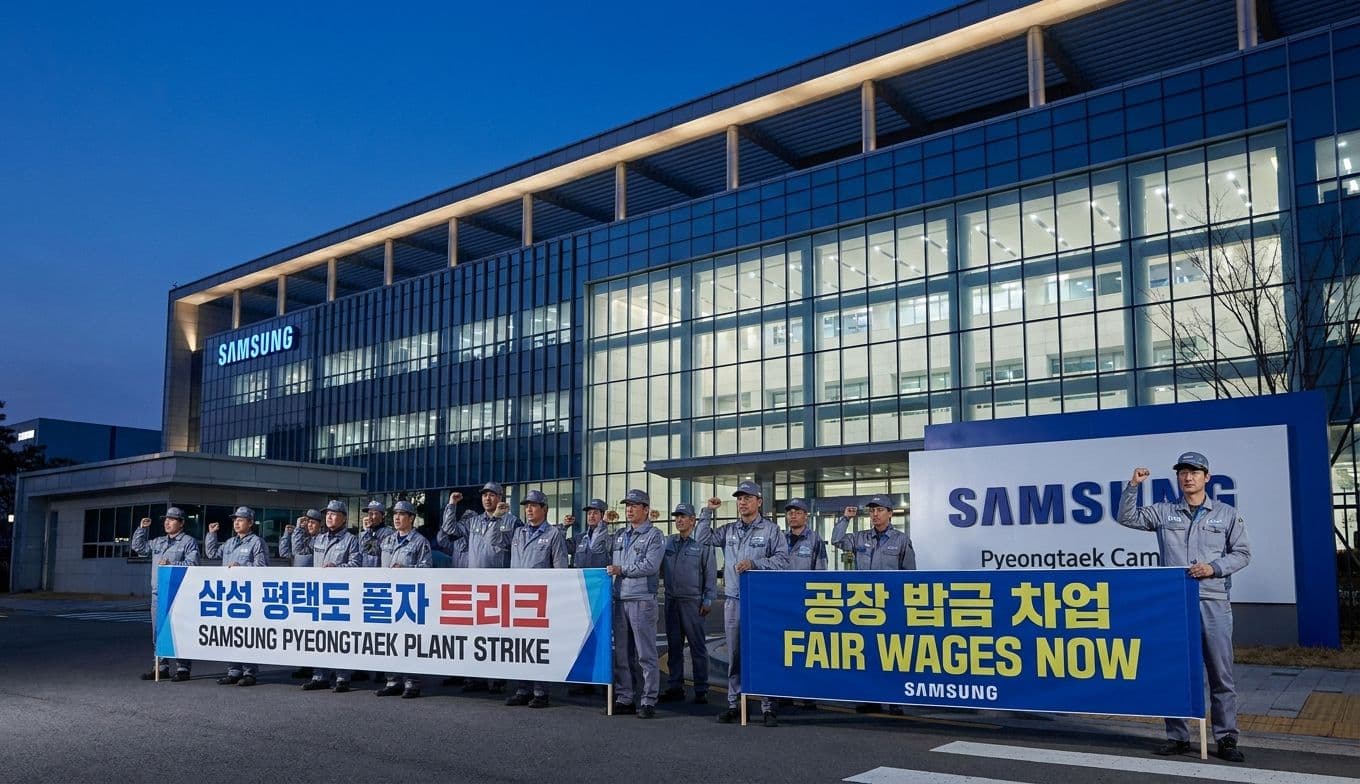
If you have been holding off on a major tech upgrade, your window of opportunity is closing fast. While we have known for months that the artificial intelligence boom is swallowing the global supply of memory chips, a new and much more immediate threat has emerged from South Korea. An estimated 40,000 union members recently rallied outside Samsung’s massive Pyeongtaek chip manufacturing facility, signaling a major breakdown in labor negotiations.
The stakes are remarkably specific: if an agreement is not reached soon, the union is prepared to launch a full-scale 18-day strike. In the world of high-precision semiconductor manufacturing, an 18-day stoppage is not just a temporary pause; it is a seismic event that can disrupt global supply chains for months. For anyone planning to buy a new smartphone, gaming console, or PC component this season, the time to act is right now, before the current retail inventory dries up and the strike-adjusted pricing hits the shelves.
BEYOND AI: THE LABOR CRISIS AT SAMSUNG’S PYEONGTAEK PLANT
To understand why a protest in South Korea dictates the price of a laptop in Chicago, you have to look at Samsung’s dominance. They are the world’s largest producer of dynamic random-access memory, or RAM. While AI data centers have been the primary scapegoat for rising costs—as companies like NVIDIA and Google buy up every high-bandwidth memory chip they can find—the human element is now the deciding factor.
Employees at Samsung are pushing for wages and bonuses that reflect the industry’s soaring profits, particularly as they watch competitors like SK Hynix gain ground. The workers are demanding an end to bonus caps and a base salary increase that keeps pace with the grueling demands of the current tech cycle. This isn't just about corporate balance sheets; it is about the people who physically manufacture the components that make modern life possible. If those 40,000 workers walk off the line for nearly three weeks, the ripple effect will be felt at every Best Buy and Amazon warehouse on the planet.
THE CONSUMER HIT LIST: FROM IPHONE 15 PRO TO THE PS5 PRO
When RAM prices surge, manufacturers do not just eat the cost; they pass it directly to you. This impact is most visible in high-end devices that rely on large amounts of fast, efficient memory.

Flagship Smartphones: Devices like the Samsung Galaxy S24 Ultra and the iPhone 15 Pro rely on cutting-edge LPDDR5X RAM. These are high-margin products, and even a ten percent increase in component costs can lead to a fifty or hundred-dollar jump in retail pricing. If you have been eyeing the S24 or the latest Pro Max, the current street price is likely the lowest it will be for the remainder of the year.
Gaming Consoles and Rumored Hardware: The PlayStation 5 and Xbox Series X are already memory-intensive machines. However, the real concern lies with upcoming releases. Rumors regarding the PS5 Pro and the long-awaited Nintendo Switch 2 suggest these consoles will feature significant RAM upgrades to handle modern 4K upscaling and AI-driven graphics. A production bottleneck at Samsung could mean these consoles launch with higher-than-expected price tags or, worse, severe availability issues reminiscent of the 2020 hardware drought.
PC Builders and Upgraders: If you are building a custom rig, you are on the front lines. A 32GB kit of DDR5 memory that cost one hundred dollars last month could easily jump significantly if supply lines are choked for 18 days. Unlike smartphone buyers who might not notice a hidden cost increase, PC builders see the fluctuating prices in real-time.
SMART MOVES: HOW TO HEDGE AGAINST THE RAM PRICE SPIKE
You do not have to be a victim of the market. If you are strategic about your purchases over the next two weeks, you can avoid the worst of the upcoming price hikes.
Prioritize Safe Brands: While Samsung is the largest player, they are not the only one. If you are buying components for a PC, look toward brands like Crucial (owned by Micron) or Kingston. These companies have different manufacturing footprints and may be slightly more insulated from the immediate fallout of a South Korean labor strike. SK Hynix is another major player, and while their employees are the benchmark for the Samsung union's demands, their production lines are currently operational.
Shop Existing Inventory: Big-box retailers like Micro Center, Newegg, and B&H Photo often hold several weeks of inventory at fixed prices. The goal is to buy from their current stock before they have to replenish at the new, higher wholesale rates. If a product is listed as in stock today, it is likely priced based on last month's manufacturing costs.
Focus on Value Over Specs: For those buying gifts, reconsider if the recipient truly needs the absolute maximum RAM configuration. For a standard student laptop or a casual gaming setup, 16GB of RAM remains the sweet spot. Moving up to 32GB or 64GB right now might provide diminishing returns for the significantly higher price you will be forced to pay.
Consider Certified Refurbished: If the price of a brand-new Galaxy S24 becomes prohibitive, look at certified refurbished models of the S23 series. These devices have already been manufactured and are sitting in warehouses, making them immune to the current labor dispute's impact on pricing.
THE BOTTOM LINE: BUY NOW OR PREPARE TO PAY MORE
We often think of tech prices as something that only goes down over time, but the reality is far more volatile. The combination of the AI arms race and a looming 18-day strike at Samsung has created a perfect storm for consumers.
The 40,000 workers at the Pyeongtaek facility are standing their ground for better compensation, and the result of their negotiation will be reflected in your next credit card statement. If you need a new device for work, school, or gaming, do not wait for a summer sale that may never come. The current inventory is your best bet for a fair price. Once that 18-day clock starts ticking, the era of affordable memory is going on an indefinite hiatus.