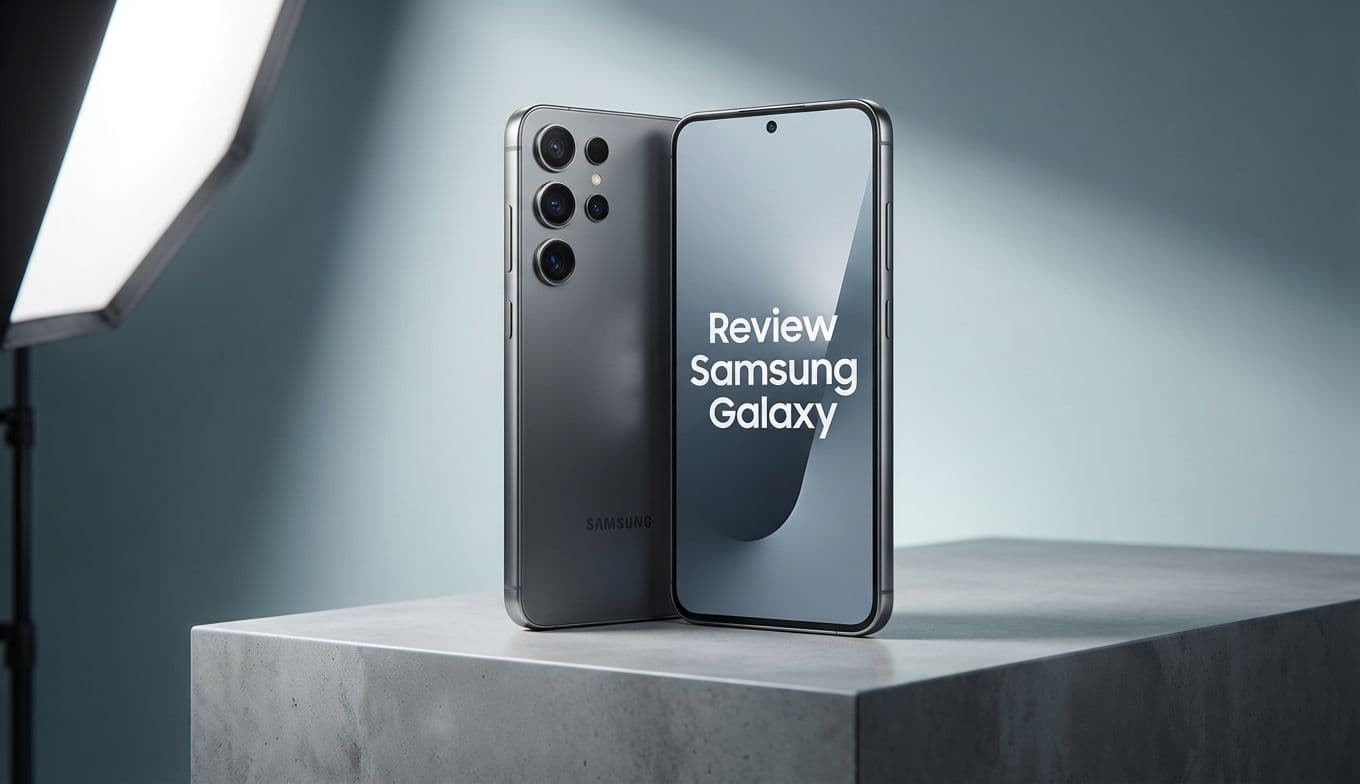
Samsung Galaxy A57 Review: Is the $549 Ultra-Thin Phone Worth It?

Samsung Galaxy A57 Review: Is the $549 Ultra-Thin Phone Worth It?

Team GimmieTeam Gimmie
Published on March 25, 2026

The New Samsung Galaxy A57: A Thinner Phone for a Thinner Wallet

Samsung’s latest entry into the midrange market, the Galaxy A57, arrives with a silhouette that would make a supermodel jealous. It is thinner, lighter, and noticeably more streamlined than its predecessor. But as the old saying goes, there is no such thing as a free lunch—or in this case, a free millimeter. While the phone has shed significant bulk, the price tag has done the exact opposite. With a $50 price hike bringing the total to $549.99, Samsung is asking consumers to pay a premium for a "diet" version of last year’s hardware.

The immediate question for any savvy shopper or gift-giver is simple: Does a 6.9mm frame and a slightly better water-resistance rating justify a price jump that pushes this phone dangerously close to flagship territory? In a market where every dollar counts, Samsung is making a bold bet that style and ecosystem loyalty will outweigh raw value.

DESIGN AND THE HIDDEN COST OF THINNESS

There is no denying that the Galaxy A57 is a beautiful piece of engineering. At just 6.9mm thick and weighing in at 179g, it feels significantly more premium than the "plastic-fantastic" midrange phones of yesteryear. The reduced display bezels create an immersive, edge-to-edge experience that makes streaming video or scrolling through social media feel modern and high-end. For the user who prioritizes aesthetics—someone who wants their phone to be an extension of their personal style—the A57 hits the mark.

However, as a tech reviewer, I have learned that "thinner" often comes with strings attached. When you shave down a phone’s chassis, you are also reducing the internal volume available for heat dissipation. Under heavy loads, such as gaming or 4K video recording, ultra-thin phones often struggle to stay cool, leading to performance throttling. Furthermore, a slimmer frame leaves less room for the structural reinforcement that protects the battery. While Samsung claims the battery life remains competitive, the long-term longevity of a cell packed into such a tight space is always a concern. Then there is the ergonomics: a 6.9mm edge can actually be harder to grip securely, and those slim bezels often lead to "ghost touches" where your palm accidentally triggers the screen. It is a classic case of form over function.

QUICK TAKE: THE MIDRANGE LANDSCAPE

To help you decide where your money is best spent, here is how the A57 stacks up against its primary rivals:

Samsung Galaxy A57 Price: $549.99 The Standout: 6.9mm ultra-thin design and IP68 water resistance. Best For: Samsung ecosystem loyalists and design-conscious users.

Google Pixel 10A Price: $499.00 The Standout: Industry-leading still photography and a clean Android experience. Best For: Photography enthusiasts and those who want the first crack at software updates.

Apple iPhone 17E Price: $599.00 The Standout: Unmatched resale value and seamless integration with iMessage and iCloud. Best For: Teens, students, and anyone already owning a Mac or iPad.

THE VALUE PROPOSITION: PIXELS VS. PREMIUM FEEL

At its new $549.99 price point, the Galaxy A57 finds itself in a bit of a "no man’s land." It is $50 more expensive than the Google Pixel 10A, which arguably offers a better camera and a more intuitive software experience. It is also only $50 cheaper than the iPhone 17E, a device that carries significantly more social capital and better long-term software support.

Samsung is banking on its ecosystem to bridge this gap. If you already own Galaxy Buds, a Galaxy Watch, or a Samsung tablet, the A57 makes a lot of sense. Features like Quick Share and the seamless switching between devices provide a level of convenience that is hard to walk away from. But for the unattached shopper, the A57’s value is harder to find. You are paying a "thinness tax." If you don't care about having the slimmest phone in the room, you could save $50 by going with Google or spend $50 more to enter the Apple ecosystem, both of which offer more defined strengths than "being thin."

DURABILITY OVER HYPE: THE REAL UPGRADES

Samsung’s marketing materials are currently heavy on "AI enhancements," but I’ll give it to you straight: don’t buy this phone for the AI. While Samsung is promising smarter camera processing and better power management, these are largely incremental software tweaks that most users won't notice in day-to-day life. In the midrange space, "AI" is often just a buzzword used to justify a price increase when the hardware specs haven't taken a massive leap.

The real headline upgrade is the jump to an IP68 rating. This isn't just marketing fluff; it’s a practical, real-world improvement. An IP68 rating means the A57 can survive being submerged in 1.5 meters of water for up to 30 minutes. For a gift-giver, this is a massive selling point. Whether it’s a teenager who might drop their phone in a sink or a parent who uses their device poolside, that extra layer of durability provides genuine peace of mind. It makes the A57 one of the most durable "lifestyle" phones in its class, and that is worth far more than a "magic" photo editor.

THE VERDICT: WHO SHOULD UNWRAP THE A57?

The Galaxy A57 is a polished, attractive device, but it isn't a "one-size-fits-all" recommendation. Because of the price hike and the specific design choices Samsung made, it caters to a very particular type of user.

If you are buying a gift for a dedicated Samsung fan who is currently using an A51 or A53, the A57 will feel like a futuristic revelation. It looks better, feels faster, and carries that "wow" factor when they first take it out of the box. It is also the perfect choice for the "aesthetic first" user—the person who wants the sleekest possible device to slip into a small bag or a slim pocket.

However, if you are looking for the absolute best bang for your buck, the A57 is a harder sell. Budget-conscious shoppers should look toward the Pixel 10A, which offers a superior camera and a lower entry price. Meanwhile, those looking for the "safe bet" for a young student might find the iPhone 17E to be a more durable long-term investment.

Ultimately, the Galaxy A57 is a luxury take on a midrange phone. It is a solid, reliable device that prioritizes how it feels in your hand over how much it saves you at the register. If you value that premium sensation and the security of the IP68 rating, the extra $50 is a manageable pill to swallow. Just know that you are paying for the diet, not the feast.