Roger Linn's MPC Philosophy: Focus & Intentional Gifting
Team GimmieThe Single Tab Revolution: Lessons in Focus from the Father of the MPC
We are living in an era of digital gluttony. At any given moment, the average consumer has seventeen browser tabs open, three half-finished shopping carts, and a smartphone buzzing with notifications for "limited-time offers." We are drowning in options, yet we often feel paralyzed when it comes to making a meaningful purchase.
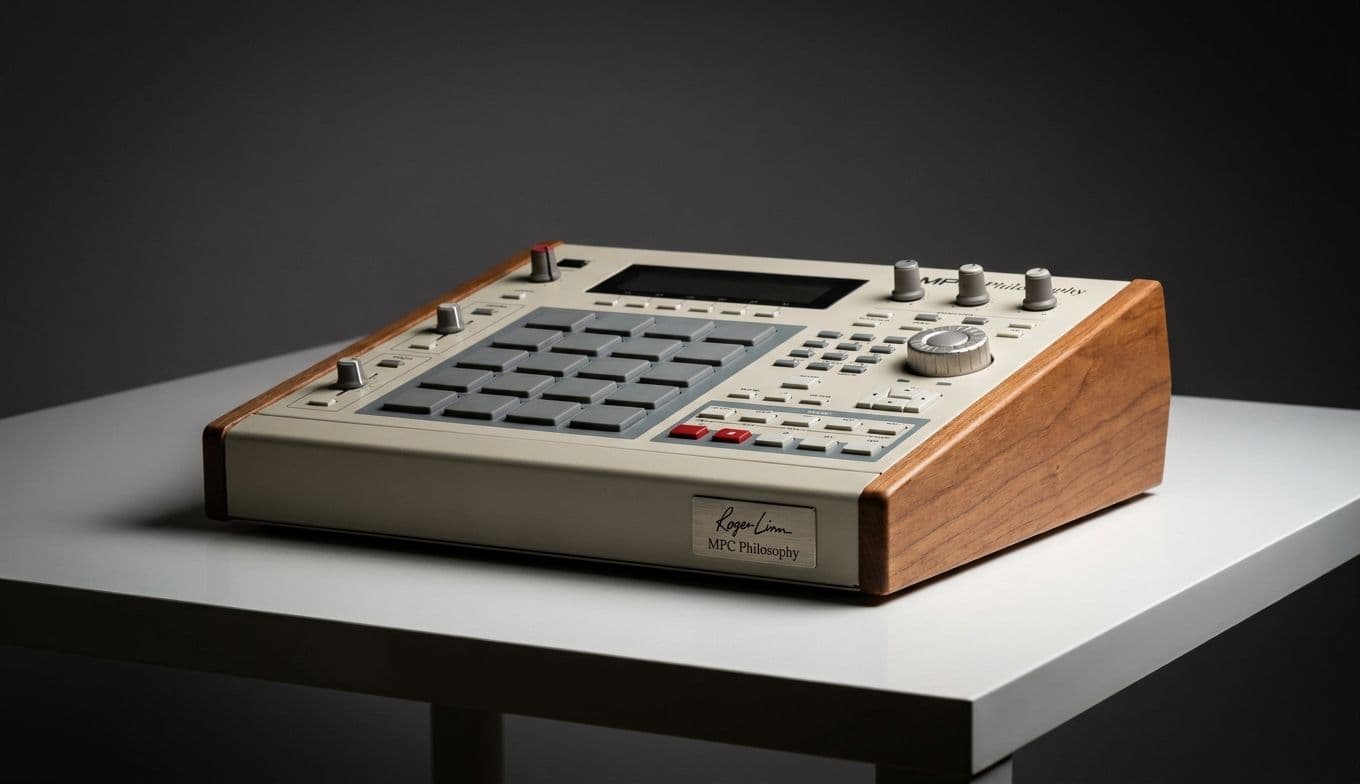
In this landscape of noise, Roger Linn is a radical. If you don’t recognize the name, you certainly recognize the sound. Linn is the legendary innovator who created the LM-1, the first drum machine to use real samples, and the iconic LinnDrum. His machines provided the rhythmic backbone for Prince’s Purple Rain and 1999, powered hits for Queen and Tom Petty, and eventually—through his collaboration with Akai—birthed the MPC. The MPC (Music Production Center) didn’t just play beats; it became the instrument that defined hip-hop and electronic music for decades.
But here is the most fascinating thing about Roger Linn today: despite being a titan of music technology, he famously operates with a single browser tab. In a world of multitasking, Linn chooses mono-tasking. His approach to work and innovation is a masterclass in focus—a lesson that offers a vital blueprint for how we should navigate the overwhelming world of modern consumption and gift-giving.
The Instrument vs. The Gadget: A Philosophy of Purpose
When Linn designs a product, he isn't making a "gadget." He is making an instrument. The difference is profound. A gadget is something you use until the next version comes out; an instrument is something you master over a lifetime.
This distinction is the first lesson for the overwhelmed consumer. When we are looking for gifts or personal investments, we often get seduced by the "multi-tool" promise—products that claim to do everything but master nothing. Linn’s success came from creating tools that did one thing exceptionally well: they gave musicians a tactile, intuitive way to command rhythm.
If we want to gift better, we should look for "master tools" rather than fleeting novelties. Instead of a generic smart-home hub that will be obsolete in two years, consider the creator’s equivalent of a LinnDrum. Think of studio-quality headphones like the Sennheiser HD 600 series. These aren’t just electronics; they are precision tools for the ears that have remained industry standards for decades. Or consider professional-grade stationery, such as a Midori Travelers Notebook or a set of Blackwing 602 pencils. These items don't offer "features" in the traditional sense; they offer a dedicated space for focus and creative expression. They are the single-tab equivalent of the physical world.

The MPC Live II: The Ultimate Remedy for Digital Fatigue
If you want to see Linn’s philosophy in its most modern, potent form, look at the Akai MPC Live II. In an age where most music is made by clicking a mouse on a glowing screen, the MPC Live II stands out because it is unapologetically tactile.
The brilliance of this machine—and why it remains a top-tier recommendation for any creator—is its ability to pull you away from the computer. Digital fatigue is real; we spend all day looking at spreadsheets, only to spend our "creative time" looking at more pixels. The MPC Live II solves this with its legendary 16-pad grid. These aren't just buttons; they are velocity-sensitive surfaces that respond to the nuances of a human touch.
When you gift an MPC Live II, you aren’t just giving someone a sampler. You are giving them a "DAW-less" experience—the ability to make professional music on a park bench or a couch without a single notification from an email client or social media feed. It embodies the "one tab" lifestyle by forcing the user to be present with the sound, the feel of the pads, and the rhythm of the moment. It is a serious investment, but it is one that honors the recipient’s focus rather than distracting from it.
The Roger Linn Strategy: Five Rules for Intentional Gifting
To shop like a legendary innovator, we have to move away from the "infinite scroll" and toward a more disciplined, Linn-inspired methodology. Here is how to apply his work ethic to your next purchase decision:
-
Define Your Sound Before You Start Roger Linn didn't just stumble into drum machines; he identified a specific need for musicians to have realistic drums at their fingertips. Before you open a browser, define the "problem" you are trying to solve or the specific joy you want to spark. If you don't have a clear goal, you'll end up with five tabs of things you don't need.
-
Prioritize Tactile Interaction Linn’s work is defined by the user interface—the physical feel of the buttons and pads. When evaluating a product, ask: How does this feel to use? Is it a plastic-heavy gimmick, or does it have the weight and build quality of a tool that will last? A high-end mechanical keyboard or a heavy-gauge brass fountain pen provides a sensory satisfaction that a digital equivalent never can.
-
Curate Your Collaborations Linn knew that to make the MPC truly great, he needed to partner with Akai for their manufacturing and distribution prowess. He didn't try to do it all alone. Similarly, you should rely on a "curated circle" of trusted sources. Instead of reading 500 conflicting Amazon reviews, find three expert voices you trust—be it a specialized tech journal or a dedicated hobbyist blog—and let their expertise be your guide.
-
Seek Longevity Over Novelty The LinnDrum is over 40 years old and still commands thousands of dollars on the secondary market because it was built with a clear, timeless vision. When gifting, ask yourself: Will this be in a junk drawer in twelve months, or will it be a "legacy tool" the recipient still uses in a decade? Quality is the ultimate antidote to consumption fatigue.
-
Trust the Intuition of the Maker Linn’s success wasn't just about math; it was about an intuitive "ear" for what felt right. Sometimes, the specs on paper don't tell the whole story. If a product has a dedicated community of enthusiasts who speak about its "soul" or its "workflow," pay attention. That intangible quality is usually the mark of a product designed by someone who, like Linn, stayed focused on the user experience above all else.
Conclusion: The Power of Less
In the end, Roger Linn’s "single tab" isn't really about a web browser. It’s a metaphor for how we should live our lives and choose the objects we surround ourselves with. It is a rejection of the idea that more is always better, and an embrace of the idea that focus is the ultimate luxury.
Whether you are looking for a gift for a seasoned producer or someone who just needs to reclaim their creative spark, remember the lesson of the MPC. You don't need a thousand features; you need the right tool. You don't need a million tabs; you need one clear vision. By cutting through the digital noise and prioritizing quality, utility, and tactile joy, we can find products that don't just fill a space on a shelf, but actually change the way we create and experience the world.
Channel a little bit of that Roger Linn energy the next time you shop. Close the extra tabs, silence the notifications, and look for the instrument in a world full of gadgets.