
Reigns: The Witcher Review: Gameplay, Price & Platforms
Discover why Reigns: The Witcher is the perfect deadly RPG for your pocket. Our review covers gameplay, platforms, and why it's a top-tier budget gift.

By Team Gimmie
Updated August 27, 2026
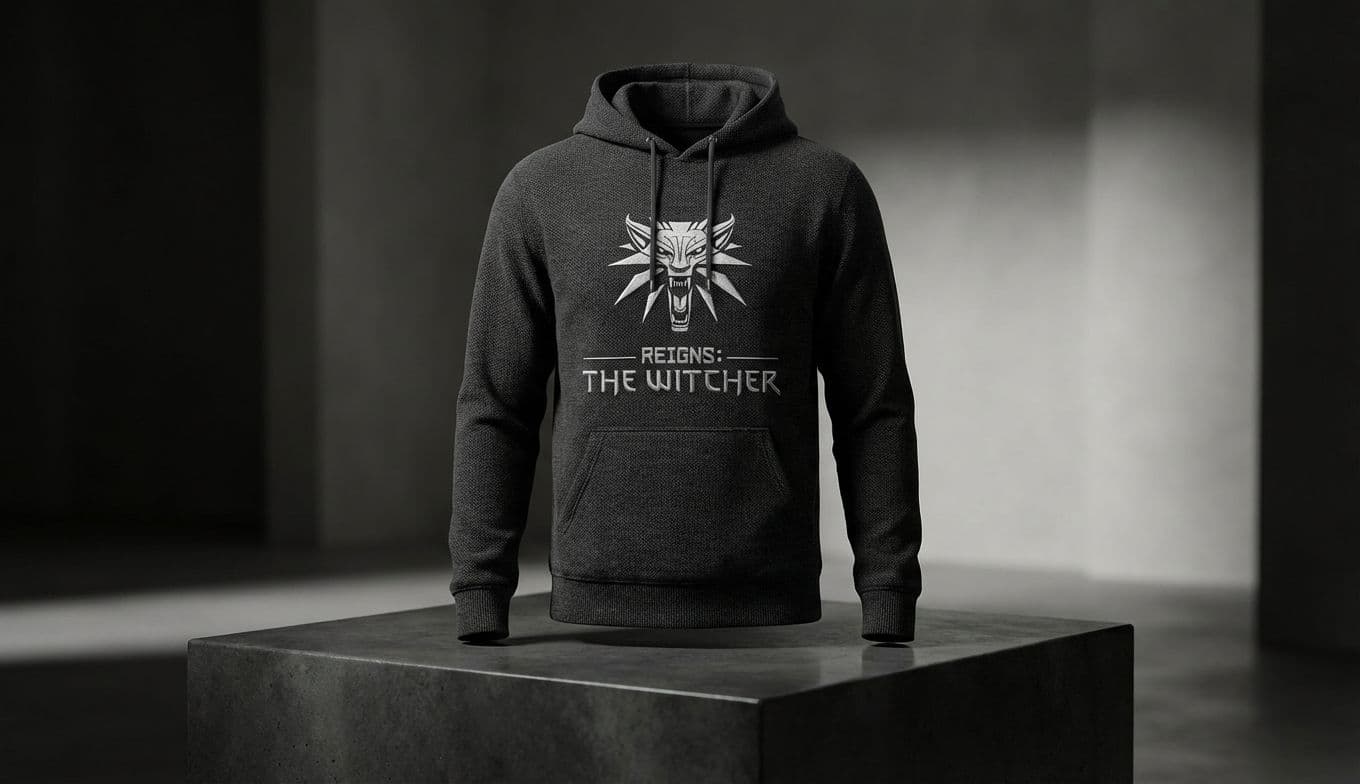
One Swipe Away from a Grisly End: Why The Witcher and Reigns Are a Dark Match Made in Heaven
I never knew how easy it was to die in an orgy. Most people imagine Geralt of Rivia—the legendary, white-haired monster slayer—meeting his end at the end of a Griffin’s talons or dissolved by the acidic spit of a Kikimore. But in the world of The Witcher, the most lethal threats aren't always the ones with scales and teeth. Sometimes, it’s a poorly timed flirtation, a misinterpreted nod to a nobleman, or a single glass of poisoned wine.
This is the chaotic, darkly humorous, and often brutal reality of Reigns: The Witcher. If you aren't familiar with the Reigns series, it’s best described as Tinder for monarchs—or in this case, Tinder for monster hunters. You’re presented with a deck of cards representing various encounters, and you swipe left or right to make decisions. It’s a concept that sounds almost too simple for a franchise as sprawling and lore-heavy as The Witcher, yet it works with a terrifying efficiency that captures the essence of the Continent better than many big-budget adaptations.
The Art of the Fatal Swipe
The genius of this crossover lies in how it distills the moral ambiguity of Geralt’s world into a single movement of your thumb. François Alliot, the creative director at Nerial, notes that the simplicity of the mechanic is exactly what allows the complexity of the universe to shine. You aren’t bogged down by button combos or inventory management. Instead, you are faced with the weight of the Path itself.
A peasant begs you to kill a beast for free. Swipe left to demand payment (upping your gold but tanking your reputation); swipe right to be a hero (gaining favor but starving your coin purse). Every choice affects four core pillars—your health, your gold, your reputation with the common folk, and your standing with the nobility. If any of those bars hit the maximum or drop to zero, Geralt’s journey ends. Usually in a way that is as ironic as it is grisly.
One moment you’re negotiating with Yennefer, and the next, you’ve accidentally triggered a coup or been turned into a toad because you were too arrogant with a local sorcerer. It’s that signature Witcher blend of high stakes and pitch-black comedy that makes every "Game Over" feel like a punchline you should have seen coming.
