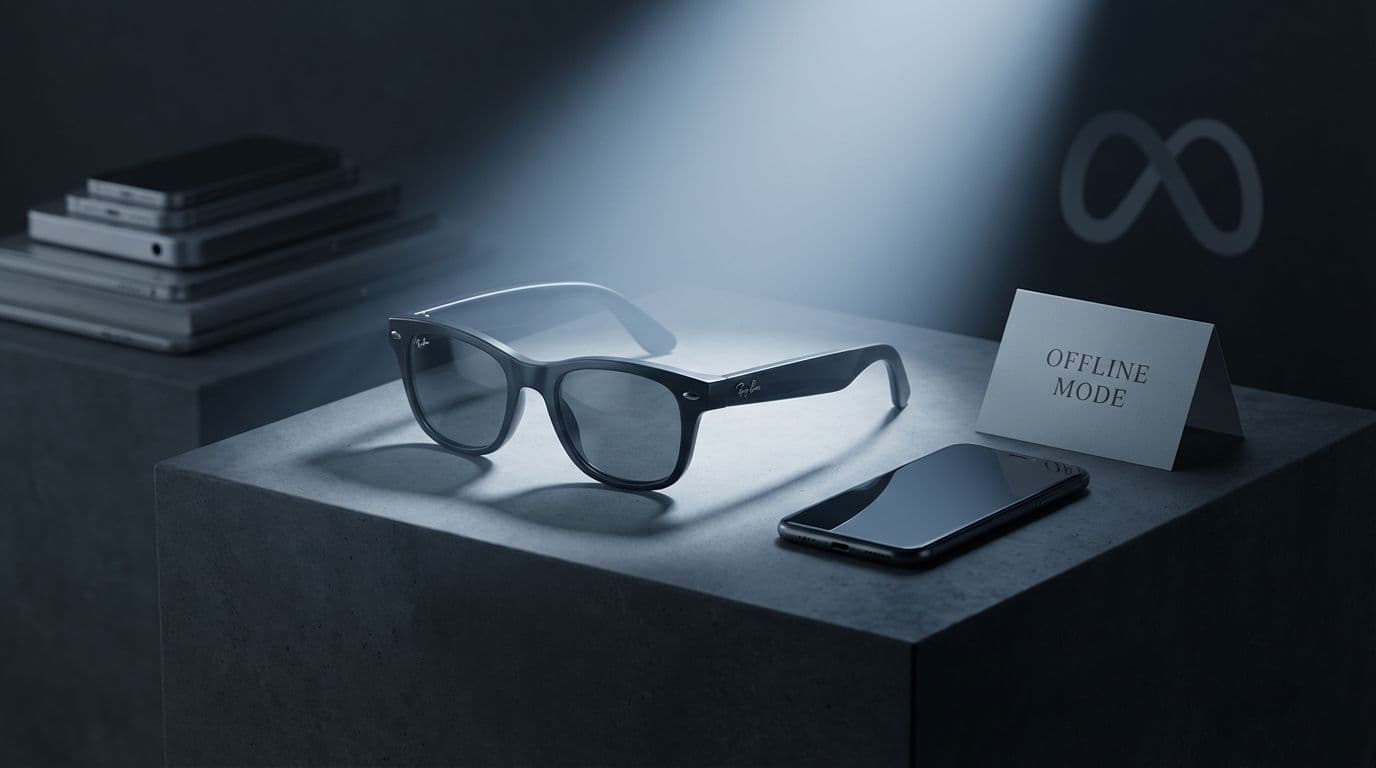
Ray-Ban Meta Smart Glasses Review: Features, Privacy & Alternatives

Ray-Ban Meta Smart Glasses Review: Features, Privacy & Alternatives

Team GimmieTeam Gimmie
Published on February 20, 2026

The New Face of Wearable Tech: A Guide to the Ray-Ban Meta Smart Glasses

It is a tale as old as the digital age: a tech giant with a complicated history launches a sleek new gadget, and the world is instantly torn between the "cool factor" and a deep-seated sense of caution. This is the exact tightrope Meta is walking with its latest wearable collaboration. On one hand, the Ray-Ban Meta smart glasses are arguably the first piece of face-worn technology that looks like something a stylish person would actually wear. On the other hand, the Meta logo carries baggage that no amount of Italian eyewear design can fully hide.

Whether you are looking to upgrade your own daily carry or considering these as a high-tech gift, the conversation has moved beyond mere speculation. We now have specific hardware, real-world performance data, and a clearer picture of what it means to live with a camera on your face.

Style Meets Substance: Wayfarer vs. Headliner

Unlike the bulky, futuristic goggles of the past, Meta’s current lineup is grounded in classic aesthetics. The collection centers on two primary styles: the iconic, angular Wayfarer and the more rounded, retro-inspired Headliner. Starting at 299 dollars, these frames are designed to be indistinguishable from standard Ray-Bans at a glance.

The hardware jump from the previous generation is significant. These glasses feature a 12-megapixel camera capable of capturing sharp photos and 1080p video. But the real draw for many is the improved audio system. Using custom-built speakers in the temples, the glasses provide a private, open-ear listening experience. You can take calls or listen to podcasts while remaining fully aware of your surroundings, which is a massive safety and convenience win for commuters and runners.

The inclusion of the Qualcomm Snapdragon AR1 Gen 1 platform ensures that the glasses are snappy, responsive, and capable of handling the latest software features. However, you should expect to pay more—often between 329 and 379 dollars—if you opt for polarized lenses or the popular Transitions lenses that shift from clear to dark depending on the light.

More Than a Camera: The Rise of Meta AI

The biggest shift in the value proposition of these glasses is the integration of Meta AI. This is no longer just about taking hands-free photos for Instagram. With the latest updates, the glasses are becoming a multimodal assistant. You can look at a sign in a foreign language and ask the glasses to translate it, or look at a landmark and ask for its history.

For the modern content creator, the utility is undeniable. The glasses allow for high-quality, point-of-view storytelling that feels intimate and authentic. Whether you are a chef filming a recipe from your own perspective or a parent capturing a child’s first bike ride without a phone blocking your view, the hands-free nature of the device offers genuine creative freedom.

The Privacy Elephant in the Room

Despite the technical triumphs, a shadow remains. A recent report by The New York Times suggested that Meta has internally considered the implementation of facial recognition technology for these glasses, allegedly weighing the move during times of political distraction to minimize backlash. While Meta has not officially rolled out facial recognition to the public, the mere fact that it is a point of internal discussion serves as a stark reminder of the company's data-driven DNA.

Privacy advocates point out a crucial distinction between a smartphone and smart glasses. When you pull out a phone, there is a social cue that a camera is active. With smart glasses, even with the small LED light that triggers during recording, that cue is much more subtle. For many, the "what-if" factor regarding how Meta might use captured data for ad targeting or AI training remains a significant hurdle. If you are someone who values digital invisibility, these glasses are likely to feel like an intrusion rather than an innovation.

The Gift-Giver’s Final Checklist

If you are thinking about buying these for someone else, you are navigating a potential minefield of personal ethics and tech preferences. Before you drop 300 dollars or more, ask yourself these three questions:

First, is the recipient an active and happy user of the Meta ecosystem? If they already spend hours on Instagram or Facebook and use Meta’s messaging tools, the integration will feel like a natural extension of their life. If they have deleted their accounts due to privacy concerns, this gift will likely end up in a drawer.

Second, does their lifestyle actually benefit from hands-free tech? These glasses are perfect for hikers, vloggers, and multi-tasking parents. However, if the recipient mostly works in a secure office or spends their time in environments where cameras are frowned upon, the utility drops to zero.

Third, are they comfortable with being an early adopter? Despite the Ray-Ban branding, these are still "first-wave" AI devices. There will be bugs, battery life is limited to about four hours of active use, and the social etiquette of wearing them is still being written.

Stepping Outside the Meta Ecosystem: Better Alternatives

If the hardware appeals to you but the Meta partnership is a dealbreaker, there are other players in the field offering different takes on smart eyewear.

For the Media Enthusiast: The Xreal Air 2 If your goal is to watch movies or play games on a massive virtual screen, Xreal is the better choice. These are Augmented Reality (AR) glasses that project a high-definition display in front of your eyes. They are less about social media and more about personal entertainment, making them a favorite for travelers and Steam Deck gamers.

For the Privacy-First User: Solos AirGo3 If you want the smart features—like audio, translation, and digital assistance—without the privacy risks of a camera, the Solos AirGo3 is an excellent alternative. These glasses are modular, allowing you to swap frames easily, and they focus heavily on high-quality audio and AI productivity tools without the "always-on" camera baggage.

The Final Verdict: A Qualified Recommendation

The Ray-Ban Meta smart glasses are a rare example of a tech product that lives up to its aesthetic promises. They are comfortable, genuinely useful for content creation, and offer a glimpse into a future where our digital assistants are always with us.

However, they carry a heavy asterisk. Your comfort level with Meta’s data practices is the ultimate deciding factor. For the tech-forward creator, they are a game-changer. For the privacy-conscious consumer, they are a step too far. If you do choose to dive in, do so with your eyes open—and perhaps a clear understanding of where your data is going.