
Oura Ring Birth Control Tracking: Features & Cost Explained
Discover how the new Oura Ring hormonal birth control update impacts your health data. Learn about features, costs, and who benefits most. Read our review!

By Team Gimmie
Updated May 1, 2026
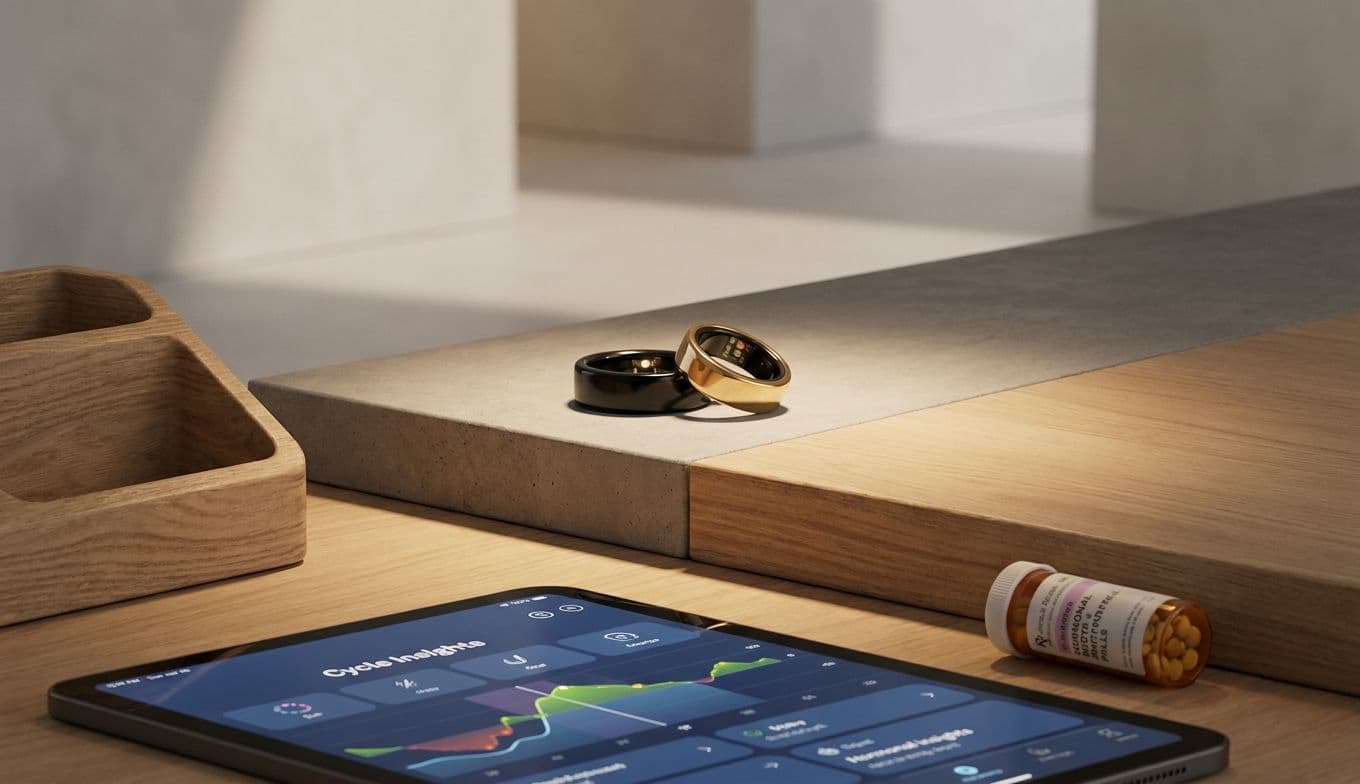
Oura Ring Update: Decoding the Impact of Birth Control on Your Biometrics
The Oura Ring has long been a leader in the wearable space, prized for its discreet design and top-tier sleep tracking. However, starting May 6th, the company is bridging a massive gap in reproductive health by launching its new Hormonal Birth Control (HBC) feature within Cycle Insights. This update marks a significant shift, as the ring will now account for over 20 different types of hormonal contraception to provide a more accurate picture of a user’s overall health.
For years, fitness trackers have operated on a one-size-fits-all model for recovery. If your resting heart rate spiked or your body temperature dipped, the algorithm might assume you were getting sick or overtraining. But for anyone on hormonal birth control, those fluctuations are often just a side effect of their medication. Oura is finally acknowledging that these hormones are a significant variable in the data, not just noise to be ignored.
Why Context Matters for Your Data
If you have ever felt like your wearable was gaslighting you, you aren’t alone. Hormonal birth control influences everything from heart rate variability (HRV) to sleep architecture. By allowing users to log their specific method—whether it’s a pill, patch, IUD, or implant—Oura can better interpret these biometric signals.
Instead of seeing a random drop in your Readiness Score, the app can now provide context based on where you are in your specific hormonal cycle. This is about more than just checking a box; it’s about making the data you pay for actually reflect the reality of your body’s chemistry. It helps users understand why they might feel sluggish or why their temperature patterns look different than a person not using hormonal contraception.
Is This Ring Right for You?
While the update is a welcome evolution, it is specifically designed for certain users. Here is a quick breakdown of who will benefit most from this new feature:
- Dedicated Health Trackers: If you already use Oura to monitor recovery and want the most precise data possible while on HBC.
- Individuals with Hormonal Conditions: Those managing PCOS, endometriosis, or other conditions where hormone tracking is a vital part of daily wellness.
