OpenClaw AI Guide: Hardware, Features & The ClawCon Community
Team GimmieCRACKING THE SHELL: THE RISE OF THE OPEN-SOURCE ASSISTANT
You wouldn't typically expect a high-stakes tech meetup to involve plush lobster headdresses, but then again, OpenClaw isn't your typical AI. I recently found myself in a multistory event venue in Manhattan, greeted by a woman in a giant lobster hat handing out wristbands. This was ClawCon, a vibrant, surprisingly human celebration of a piece of software that is currently turning the AI world on its head.
While the big players in Silicon Valley are busy building "black box" systems—AI platforms where the inner workings are kept under lock and key—OpenClaw is doing the exact opposite. Launched in late 2025 by Peter Steinberger, OpenClaw (which some early adopters still affectionately call Clawdbot or Moltbolt) is entirely open-source. This means the code is public, the community is in charge, and the potential for customization is limited only by your imagination—and your hardware.
Seeing hundreds of people gathered under pink and purple lights, wearing lobster claw headbands and geeking out over algorithms, sent a clear message: people are hungry for AI that feels accessible, transparent, and a little bit weird. But beyond the festive atmosphere, there is a massive opportunity here for anyone looking to give a gift that truly stands out in the "maker" and "tech enthusiast" space.
FEEDING THE CLAW: THE HARDWARE POWERING LOCAL INTELLIGENCE
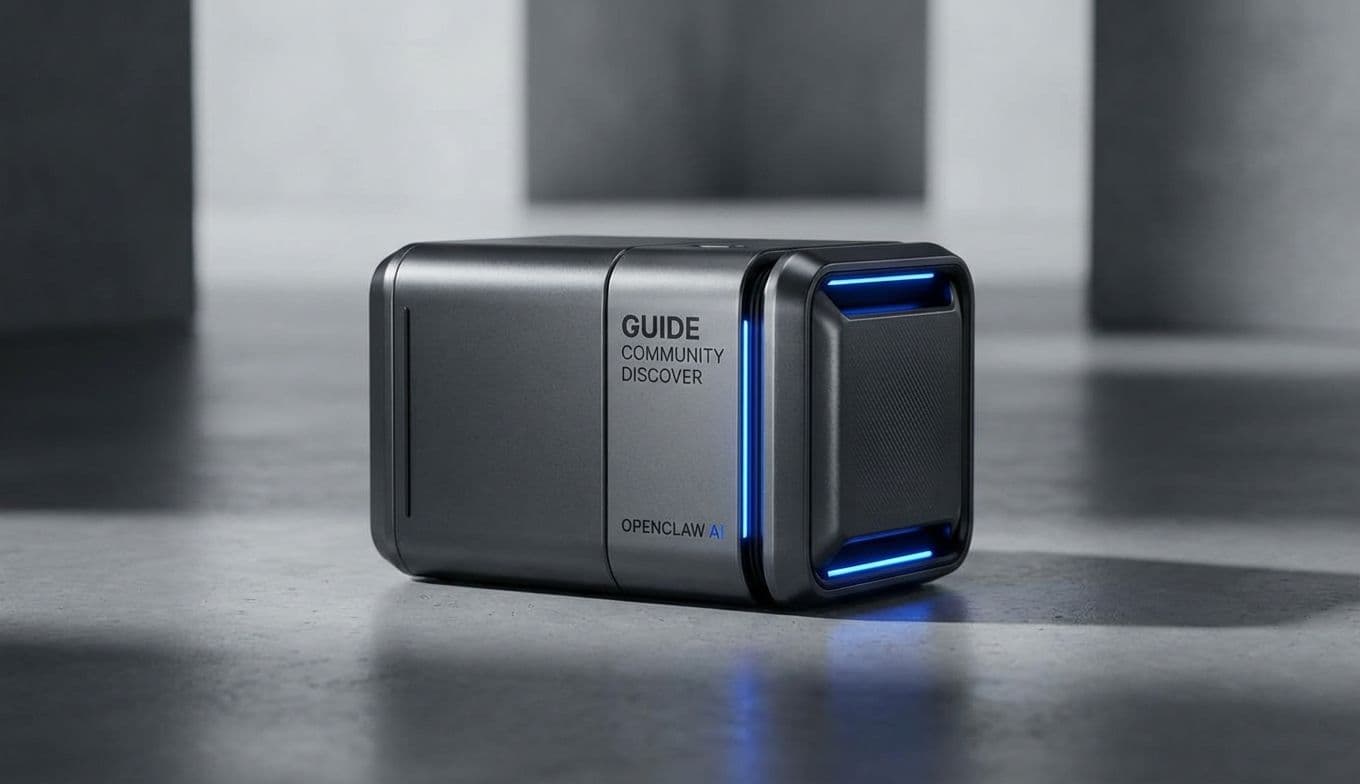
One of the biggest misconceptions about AI is that it only lives in the cloud. OpenClaw changes that. Because it is open-source, you can run it locally on your own machine. This is where the concept of "gifting" OpenClaw shifts from a theoretical idea to a tangible, high-performance project. You aren't just giving someone a chatbot; you’re giving them the ability to host their own private intelligence.
However, running a powerful AI locally requires some serious muscle. If you are looking to support a loved one’s journey into the OpenClaw ecosystem, you shouldn't be looking at software subscriptions. You should be looking at hardware.
First on the list is the GPU. For an OpenClaw setup to be snappy and responsive, it needs Video RAM (VRAM). An NVIDIA GeForce RTX 4080 Super or, if you're feeling particularly generous, the RTX 4090, is the gold standard here. These cards allow the user to run larger, more sophisticated language models without the frustrating lag of lower-end hardware.

If your recipient is more of a "tinkerer" who loves small-scale automation, consider a Raspberry Pi 5 (the 8GB model). While it won't run a massive LLM at lightning speed, it is the perfect "brain" for a localized OpenClaw node that controls a smart home or manages simple tasks without ever sending data to an external server. For something in the middle, a high-spec Mini-PC from brands like Geekom or Minisforum—equipped with at least 32GB of RAM—serves as an excellent dedicated OpenClaw hub that fits right on a desk.
THE LOBSTER SQUAD: IDENTIFYING YOUR TARGET RECIPIENT
OpenClaw isn't a one-size-fits-all solution, and it’s certainly not ready for your tech-averse uncle who still struggles with a TV remote. To help you decide if this is the right "project gift," I’ve broken down the three types of people who are currently leading the charge in the OpenClaw community.
The Privacy Purist This person is tired of big corporations harvesting their data. They want an AI assistant that helps them organize their life, but they want it to happen entirely offline. By gifting them the hardware to run OpenClaw locally, you are giving them the ultimate gift: digital sovereignty.
The Maker and Automation Geek This is the person who has a 3D printer in their garage and a smart lightbulb in every socket. They don't just want an AI that talks; they want an AI they can "molt" and reshape. They’ll use OpenClaw to write custom scripts that control their home or build a digital companion for their tabletop gaming sessions.
The Aspiring Developer For someone learning to code, OpenClaw is the ultimate playground. Because the code is open, they can see exactly how it works, break it, and fix it again. It’s an educational tool disguised as a cutting-edge assistant.
MOLTING THE OLD WAYS: WHY COMMUNITY MATTERS
The energy at ClawCon wasn't just about the code; it was about the culture. In a world where technology often feels cold and clinical, the OpenClaw community has embraced a sense of playfulness. The lobster theme isn't just a gimmick; it’s a symbol of growth and transformation. Just as a lobster must shed its shell to grow, this community is shedding the restrictions of proprietary AI.
This "human" element is what makes an OpenClaw-based gift so special. When you give someone the tools to join this community, you’re giving them a seat at the table of a global project. They aren't just a consumer; they are a contributor. They can jump onto Discord, share their "Claw" configurations, and help build the future of the platform. It’s a hobby, a tool, and a social circle all rolled into one.
SINK OR SWIM: THE REALITY OF THE LEARNING CURVE
As much as I love the optimism of ClawCon, I have to be honest: the barrier to entry is still high. We aren't quite at the point where you can buy a "Claw-in-a-Box" at a retail store. Setting up a local instance of OpenClaw requires a comfort level with command-line interfaces and a willingness to troubleshoot when things go sideways.
If you’re gifting hardware for an OpenClaw project, be prepared for the recipient to spend a few weekends "under the hood." For some, that’s the best part of the gift. For others, it might be a source of frustration. This is why it is crucial to match the gift to the recipient's technical appetite.
THE GIMMIE AI VERDICT ON OPENCLAW
Current Status: A thriving, high-energy ecosystem for makers and privacy advocates. Ease of Use: Low. This is a "build-it-yourself" experience, not a "plug-and-play" product. Gift Potential: Exceptional for the right person. Focus on hardware like NVIDIA RTX 40-series GPUs or Raspberry Pi 5s to make the project tangible. The Bottom Line: OpenClaw is the most exciting thing to happen to AI in years because it puts the power back into the hands of the users. It’s quirky, it’s complicated, and it’s incredibly rewarding. If you know someone who loves to build, explore, and occasionally wear a lobster hat, this is the future they’ve been waiting for. Just don't forget the VRAM.