
New Longines Book: Exploring Historic Ties to Pioneers
Discover the new Longines book exploring the luxury watchmaker's historic ties to aviation and exploration pioneers. Read the full heritage story now.

By Team Gimmie
Updated September 2, 2026
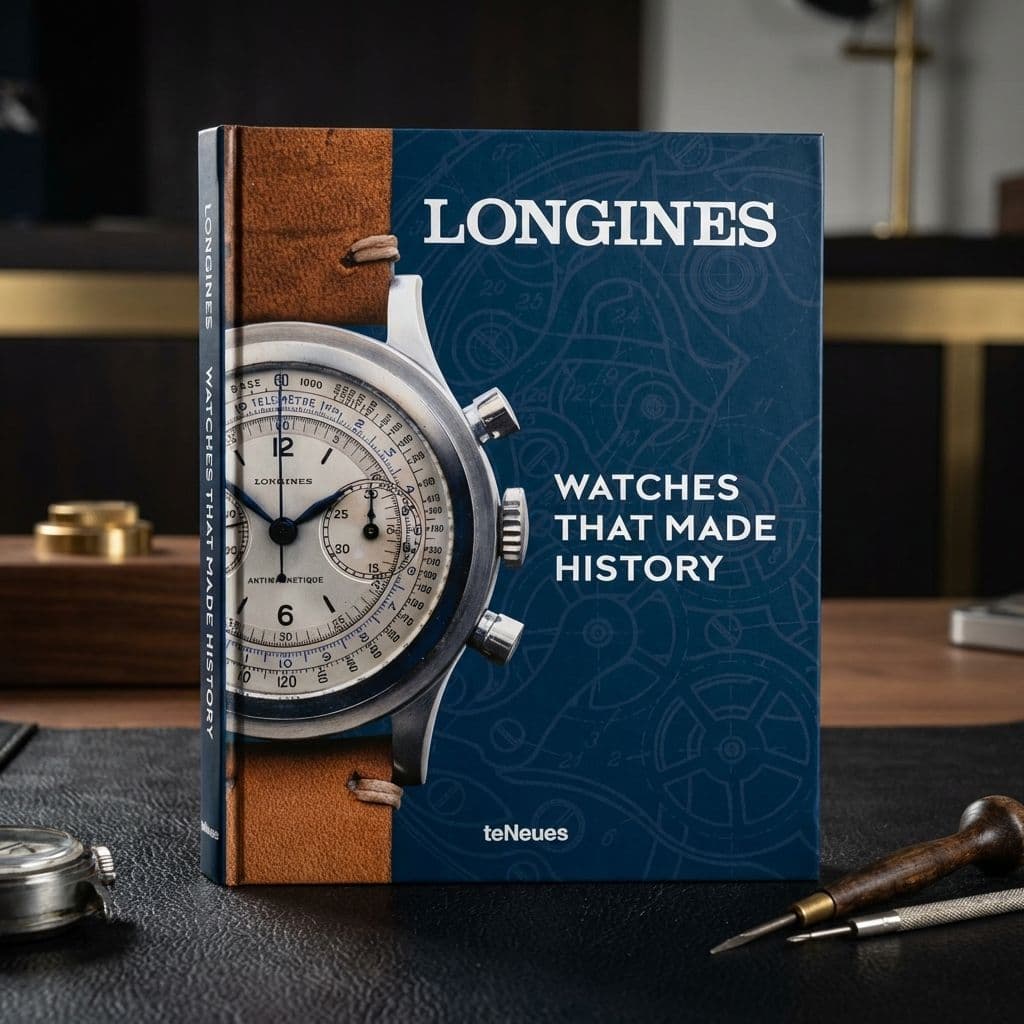
THE WEIGHT OF HUMAN ACHIEVEMENT ON YOUR COFFEE TABLE
There is a specific kind of magic inherent in a vintage timepiece. It is more than just a mechanical assembly of gears, springs, and escapements; it is a silent witness to history. When you look at a watch that has crossed the Atlantic in an open cockpit or survived the crushing cold of the Arctic, you aren't just looking at the time. You are looking at a survival tool.
Longines, the Saint-Imier-based watchmaker with a history stretching back to 1832, has always understood this better than most. Their latest release, a collector-focused publication titled Longines: History of a Pioneer, isn't just another brand catalog designed to sit on a shelf. It is a curated ledger of human ambition. By examining 50 of the brand’s most significant timepieces and the legendary figures who relied on them, the book manages to bridge the gap between technical horology and the raw, unvarnished spirit of adventure.
For anyone who finds themselves mesmerized by the golden age of exploration, this volume offers a rare opportunity to see these instruments of history up close, and it arrives just in time for the spring gifting season as a compelling alternative to a four-figure watch purchase.
MORE THAN A WATCH: THE PIONEERS WHO DEFINED AN ERA
What separates this book from a standard corporate history is the emotional weight of its protagonists. The narrative focuses heavily on the pioneers who pushed the boundaries of what was thought possible, with Longines instruments strapped to their wrists or mounted on their dashboards.
Consider Amelia Earhart. While many know her as a tragic figure of aviation, few realize the technical precision required for her 1932 solo flight across the Atlantic. The book details the Longines chronograph she used—a vital tool for calculating her position and managing fuel consumption over the featureless ocean. To see the high-resolution photography of a watch that shared a cockpit with Earhart is to understand that, in her world, a timepiece was the difference between a successful landing and a watery grave.
Then there is Paul-Emile Victor, the French ethnologist and explorer who led expeditions to the heart of Greenland. In 1947, Victor relied on Longines chronometers to withstand temperatures that would cause lesser lubricants to freeze and gears to seize. The book explores how these watches were modified and tested for the most extreme environments on Earth. By naming these figures and showing their actual equipment, the publication moves beyond marketing and into the realm of historical tribute. It reminds us that before watches were status symbols, they were essential technology.
