Netgear Router FCC Exemption: What It Means for Buyers

Netgear Router FCC Exemption: What It Means for Buyers

Team GimmieTeam Gimmie
Published on April 15, 2026

The Netgear Mystery: Why the FCC’s Newest Ruling Matters for Your Home Network

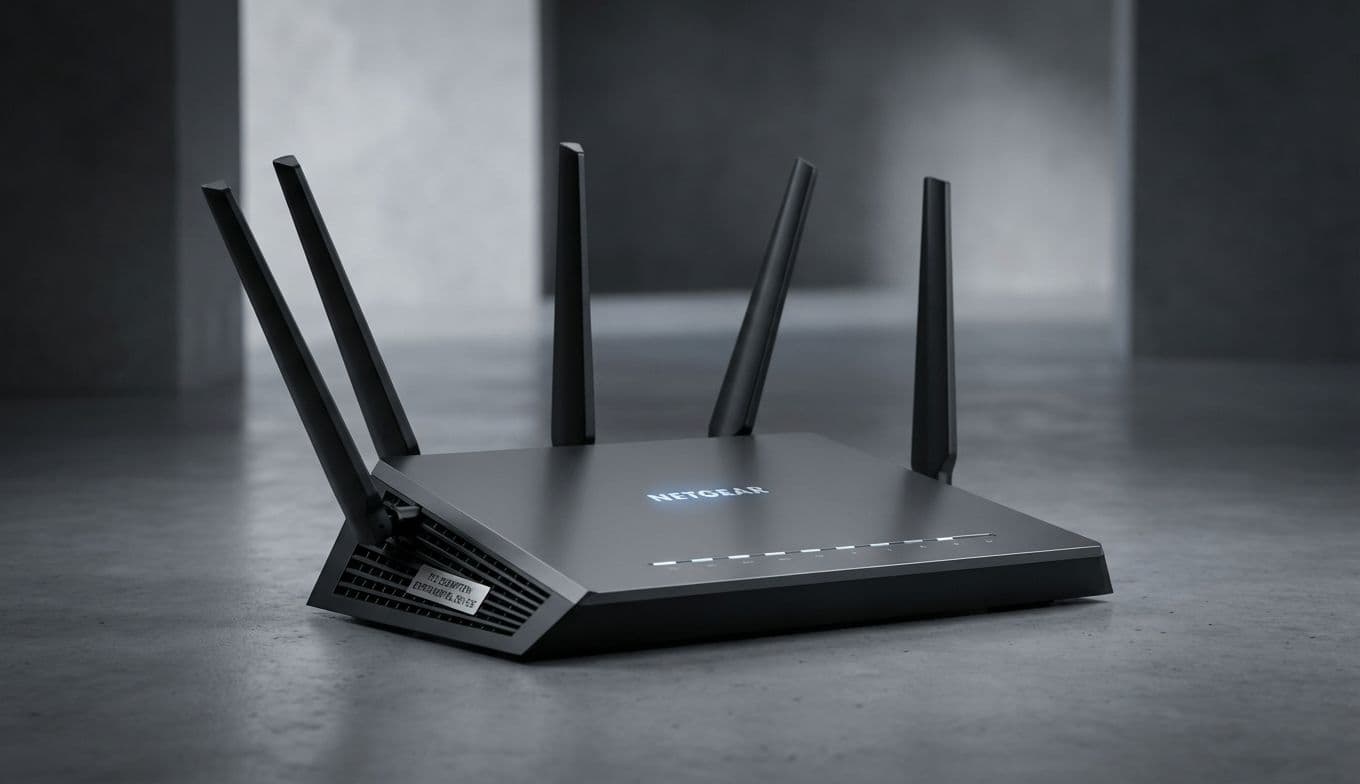
In the world of government bureaucracy, silence is rarely golden—it is usually just confusing. Recently, the Federal Communications Commission (FCC) handed Netgear a mysterious hall pass that has left industry analysts and security experts scratching their heads. While a broad ban remains in place for many network devices manufactured in specific Asian regions due to national security concerns, Netgear has been granted a temporary, unexplained exemption.

This conditional approval allows Netgear to continue importing consumer routers, cable modems, and gateways into the United States until October 1, 2027. What is missing from the announcement is the why. Neither the FCC nor Netgear has offered a clear explanation for this reprieve, other than a brief note that the Pentagon made a specific determination that these devices do not pose a risk. For the average person just trying to get reliable Wi-Fi, this creates a strange landscape of uncertainty. Is a Netgear router a safe bet for the next few years, or are you buying into a sunsetting ecosystem?

The Three-Year Countdown

For current Netgear owners, there is no reason to rip your router out of the wall today. This ruling primarily affects the importation of new stock, not the functionality of the device currently sitting on your shelf. However, for those looking to buy a new system or give one as a gift, the October 2027 deadline is a significant marker.

A three-year window might seem like a long time in tech, but routers are the foundational infrastructure of the modern home. Unlike a smartphone that many people trade in every two years, a high-quality router or mesh system is often expected to last five to seven years. By granting an exemption that expires in late 2027 without a clear plan for what happens next, the FCC has essentially put an expiration date on Netgear’s current product roadmap.

If you buy a high-end Netgear system today, you have to ask yourself: will the company still be able to provide firmware updates and security patches in 2028 if their import status remains in limbo? Transparency is a security feature, and right now, the lack of it is the biggest hurdle for the brand.

New Criteria for the Modern Buyer

When we evaluate networking gear, we usually talk about gigabits and square footage. But in light of recent regulatory shifts, the criteria for a good purchase have expanded. Here is what you should be looking for now, with an eye toward long-term stability.

Support Lifecycle and Regulatory Stability A router is only as good as its last security update. When a brand faces regulatory hurdles or temporary exemptions, it creates a risk for the support lifecycle. Before buying, check the brand’s history of supporting legacy devices. If a company is forced to pivot its manufacturing or faces an import ban, older models are often the first to lose support as resources are shifted to new, compliant hardware lines.

Transparency and Trust In an era of increasing digital surveillance, knowing where your data goes is vital. Brands that are transparent about their supply chain and manufacturing processes earn a premium. The current mystery surrounding Netgear’s exemption is a reminder that we should favor companies that offer clear communication about their security standards and government compliance.

Hardware Versatility If you are worried about the long-term viability of a specific brand’s software, look for hardware that offers flexibility. Some power users prefer routers that allow for third-party firmware, though for the average gift-giver, the best bet is simply choosing a brand with a stable, long-term regulatory outlook.

The Best Alternatives and How They Compare

While Netgear navigates its regulatory hurdles, several other players are offering compelling reasons to switch. Here is how the top contenders stack up in the current climate.

For the Power User: ASUS ROG Rapture GT-AX11000 The ASUS ROG Rapture is a powerhouse designed for gaming and heavy streaming. It offers granular control that Netgear’s consumer lines often lock behind subscriptions. Why this over Netgear? Unlike Netgear, ASUS has maintained a more consistent regulatory profile recently, and their high-end routers often receive security updates long after the hardware has been replaced by newer models. You aren't just buying speed; you are buying a more predictable support future.

For the Whole-Home Mesh: TP-Link Deco X60 If you need to blanket a large house in Wi-Fi, the Deco X60 is a streamlined, effective solution. It is remarkably easy to set up and manages congestion better than almost anything in its price bracket. Why this over Netgear? Netgear’s Orbi systems are excellent but notoriously expensive and often push users toward paid security subscriptions (Netgear Armor). TP-Link provides a more straightforward value proposition and, currently, a more stable import status for its mainstream consumer line. It is a safer choice for a gift because you won’t be handing someone a device with a looming regulatory question mark.

For the Budget-Conscious: TP-Link Archer AX21 You do not need to spend five hundred dollars to get Wi-Fi 6. The Archer AX21 is a reliable workhorse that handles 4K streaming and smart home devices without breaking a sweat. Why this over Netgear? Netgear’s entry-level routers have felt increasingly neglected as the company focuses on its premium Orbi and Nighthawk lines. The Archer AX21 feels like a complete product, not a budget afterthought, and it offers better peace of mind for the price.

For Integrated Simplicity: Arris Surfboard Systems If you want to replace the clunky modem-router combo your ISP rents to you, Arris remains the gold standard for cable compatibility. Why this over Netgear? While Netgear’s Nighthawk cable gateways are fast, Arris has a more specialized focus on the cable infrastructure side. For a gift, an Arris modem paired with a separate router is often a more "future-proof" setup than an all-in-one Netgear gateway that might be subject to the 2027 import cutoff.

The Verdict: Buy, Wait, or Walk Away?

So, is it safe to buy a Netgear router today?

The answer depends on who you are buying for. If you are a tech-savvy user who plans to upgrade to Wi-Fi 7 or whatever comes next by 2027 anyway, Netgear’s current Nighthawk and Orbi lineups remain top-tier performers. The "Pentagon-approved" tag, while mysterious, does offer a level of security assurance for the immediate future.

However, if you are buying a gift for a family member or looking for a system that will stay in place for the next five to seven years, the current FCC situation makes Netgear a risky bet. Gift-giving is about providing peace of mind, and right now, there are too many unanswered questions about Netgear’s long-term support and manufacturing transition.

For most consumers, the smartest move is to look toward brands like ASUS or TP-Link. They offer comparable, and often superior, performance without the looming shadow of an October 2027 deadline. In the world of home networking, the best device is the one you can set up, forget about, and trust to stay updated for years to come. Right now, that trust is easier to find elsewhere.