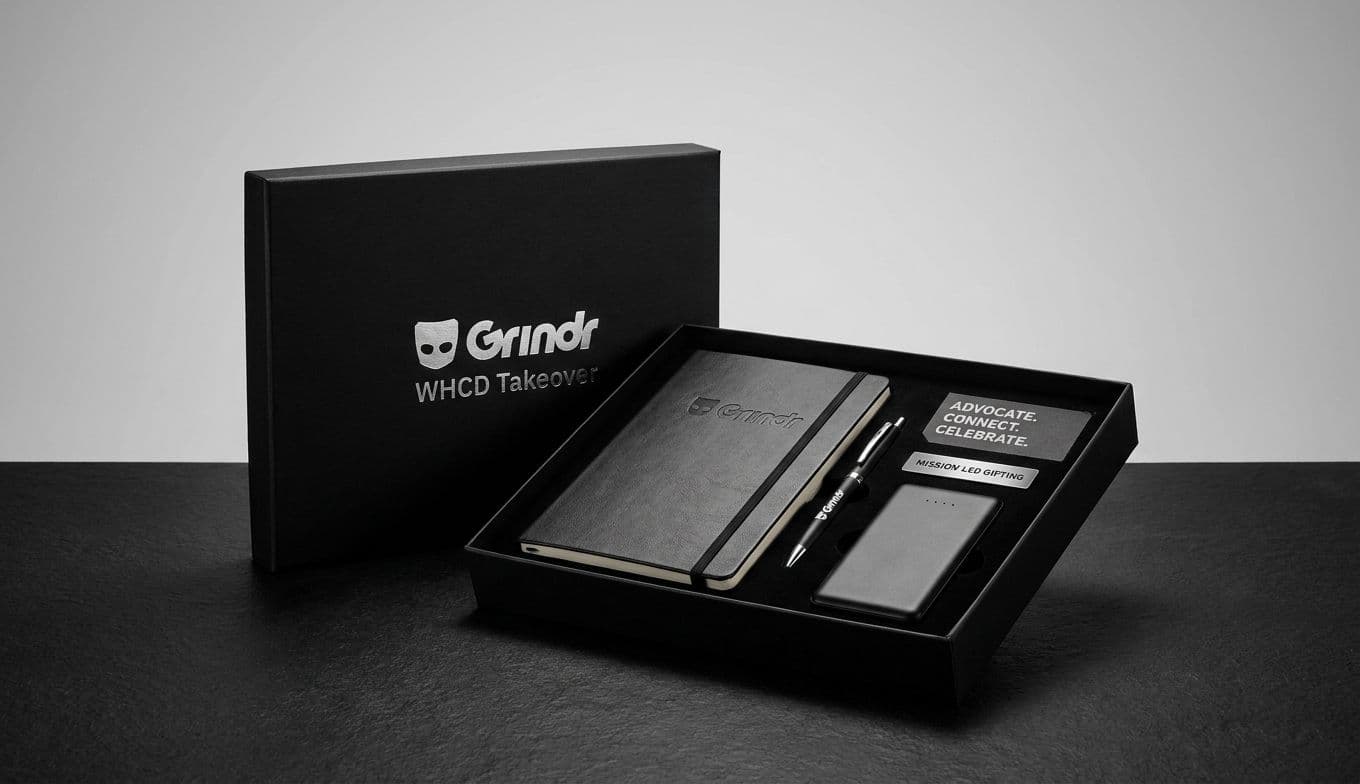
Mission-Led Gifting: Brand Identity Lessons from Grindr
Team GimmieThe Unexpected Master of the Beltway
The White House Correspondents' Dinner weekend, historically known as Nerd Prom, is usually a predictable dance of power. You have the legacy media giants hosting expensive brunches, the tech titans trying to look like they aren't lobbying, and a sea of dark suits trying to score a selfie with a B-list celebrity. But this year, the script was flipped. While the traditional gatekeepers were busy worrying about their falling circulation numbers, Grindr—the world’s largest social networking app for the LGBTQ+ community—decided to own the room.
It is a delicious irony that an app often reduced to its utility as a hookup tool managed to out-maneuver the most established names in media and politics at their own game. By hosting one of the most talked-about events at LXIV DC, Grindr didn’t just crash the party; they became the party. It was a calculated, sophisticated play that signaled something much deeper than a simple PR stunt. It was an assertion of cultural and political relevance that many legacy organizations are desperately trying to claw back.
For those of us watching from the tech and consumer product sidelines, this wasn't just about who was on the guest list. It was a masterclass in brand evolution. It proved that in 2026, the value of a product isn't found in its lines of code or its hardware specs, but in the community and identity it represents.
The New Social Currency: Brand as Identity
Grindr’s presence in D.C. was a pivot from utility to identity. For years, tech companies have tried to buy their way into the inner circle with dry policy panels or sterile lounges. Grindr took a different route: they leaned into their role as a pillar of the LGBTQ+ social fabric. They showed up as an unapologetic cultural force.
This shift is something every consumer needs to pay attention to, especially when it comes to the products we choose to bring into our homes or give to our friends. We are no longer in an era where "good enough" features win the day. We are in an era of social signaling. When you pull out a specific phone, wear a specific brand of sneakers, or use a specific app, you are communicating your values to the world.

Grindr understood that the White House Correspondents' Dinner is the ultimate stage for signaling. By dominating that space, they transformed their brand from a digital tool into a badge of cultural currency. This is the new playbook for tech: if you aren't facilitating a sense of belonging, you’re just another icon on a home screen waiting to be deleted.
Mission-Led Gifting: Beyond the Gadget
When we translate this "brand-as-identity" play to the world of gifting, the old rules are officially dead. Giving someone a generic, high-performance gadget is the equivalent of a legacy media outlet hosting a boring lunch—it’s functional, but it doesn't move the needle.
If you want to give a gift that actually resonates in this new landscape, you have to look for brands that act like Grindr did this weekend: brands that have a clear mission, a distinct voice, and a community that feels like a movement. This is what we call Mission-Led Gifting. It’s the act of purchasing a product not just for what it does, but for what it stands for.
When you choose a gift based on identity, you are telling the recipient: I see who you are, and I support the world you want to live in. This is far more powerful than any technical specification. It turns a transaction into a statement.
Specific Recommendations for the Value-Driven Recipient
To master this style of gifting, you have to move away from the big-box "best sellers" list and toward brands that occupy a specific cultural niche. Here are a few high-intent recommendations that mirror the sophisticated, community-first approach seen at the WHCD.
The Sonos Move 2
If we’re talking about the art of hosting—the very thing Grindr just conquered—the Sonos Move 2 is the gold standard. While other portable speakers focus purely on being "loud," Sonos has built an ecosystem around the experience of shared music. The Move 2 is rugged enough for a backyard but polished enough for a D.C. rooftop. More importantly, gifting a Sonos isn’t just about the audio quality; it’s about acknowledging the recipient’s role as the curator of their social circle. It is a gift for the person who, like Grindr, knows how to bring people together.
Telfar Bags
Often called the Bushwick Birkin, Telfar is the ultimate example of a brand that uses its platform for social signaling. Their motto, Not for you—for everyone, has turned a simple vegan leather shopping bag into a symbol of inclusivity and community. Gifting a Telfar isn’t just about fashion; it’s about participating in a brand that has actively dismantled the exclusivity of the luxury world. It’s a high-intent gift that screams cultural awareness.
Boy Smells Candles
For a gift that hits the intersection of identity and luxury, look at Boy Smells. This queer-founded brand started with the idea of "genderful" scents—mixing traditionally masculine and feminine notes. They have built a massive following by refusing to stick to the traditional binary of the fragrance industry. When you give a Boy Smells candle, you aren’t just giving someone a nice-smelling room; you’re giving a piece of a brand that celebrates the complexity of modern identity.
Patagonia Outerwear
If you want to talk about mission-led branding, you have to talk about Patagonia. They have spent decades building a brand that is synonymous with environmental activism, to the point where the founder literally gave the company away to fight climate change. A Patagonia jacket is the ultimate signifier of a specific set of values. It says the wearer cares more about the planet than fast fashion. It is the quintessential gift for the person whose identity is tied to the outdoors and corporate responsibility.
The Bottom Line on Brand Authenticity
The success of Grindr’s D.C. takeover provides a clear lesson for all of us: authenticity is the only thing that survives the noise. People can smell a "calculated PR move" from a mile away if there isn't real substance behind it. Grindr succeeded because they leaned into who they already were, rather than trying to pretend they were a traditional news organization.
As you look for products and gifts, apply that same filter. Don't be distracted by the glitz of a splashy launch or a celebrity endorsement. Look for the brands that are doing the work, building the communities, and standing for something.
Whether it's a dating app hosting a political gala or a sustainable clothing company protecting a forest, the brands that win in 2026 are the ones that understand they aren't just selling a product—they are facilitating a lifestyle. And for the rest of us? We’re just happy to be invited to the party.