Manual Espresso Machines: The Physics of the Perfect Pull
Team GimmieThe Physics of the Perfect Pull: Why Manual Espresso is the Ultimate Analog Upgrade
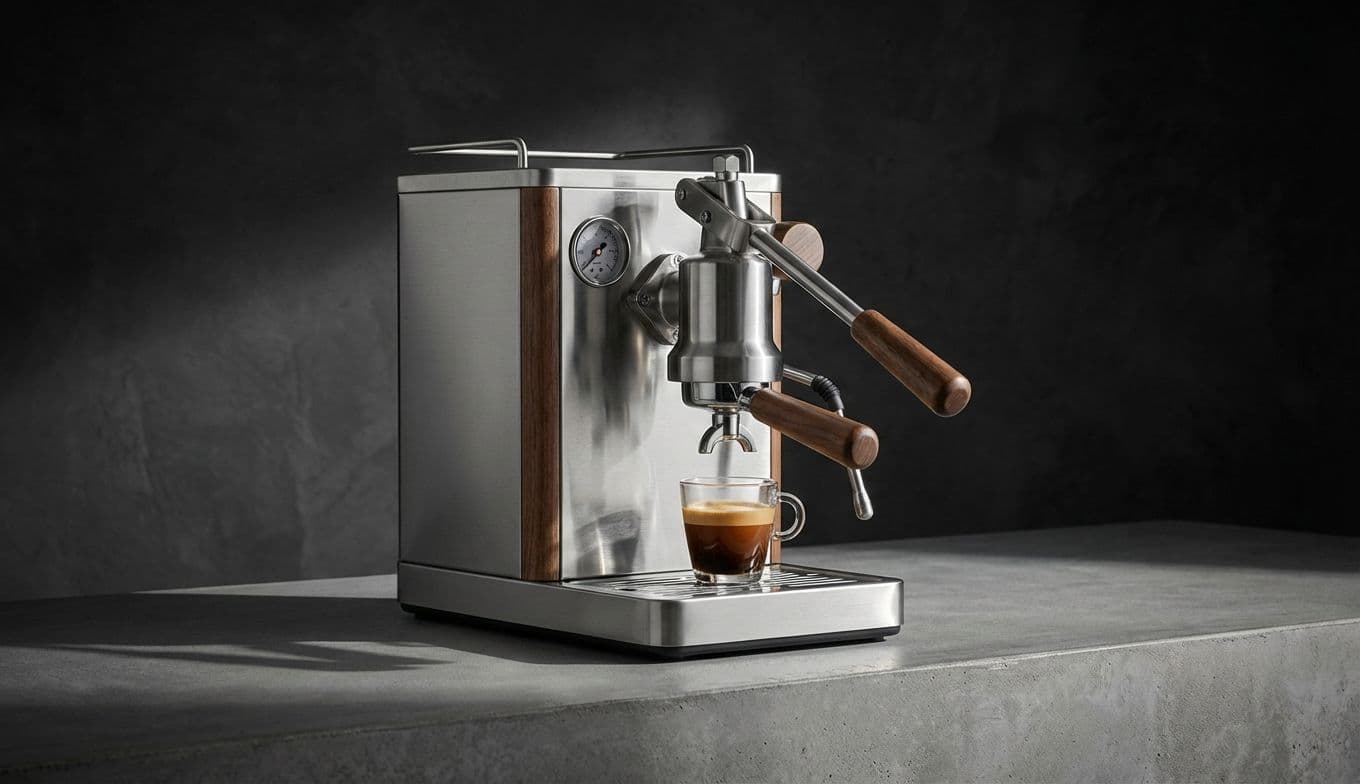
There is a specific, tactile resistance that occurs about halfway through a manual espresso pull. It is the moment the hot water meets the compressed coffee puck, and suddenly, you are not just pushing a lever—you are feeling the physics of extraction in your palms. There is no buzzing pump or digital timer; there is only the faint hiss of pressure and the sight of tiger-striped crema beginning to bead at the bottom of the portafilter.
In a world where we can summon a latte with a smartphone app, the idea of a manual lever machine might seem like an unnecessary hurdle. But for those who find joy in the process, analog brewing is not a chore—it is a revelation. I have spent months testing everything from high-tech super-automatics to simple pour-overs, and I can tell you: nothing connects you to the bean quite like a manual machine. When you nail the pressure, the grind, and the timing, the resulting shot is more than just caffeine. It is a delicious, hard-won victory.
The Soul of the Manual Shot
What sets manual espresso apart is the total transfer of control from a circuit board to a human. With an automatic machine, you are trusting a factory-set algorithm to decide how your coffee should taste. With a manual lever machine, you are the algorithm.
This direct involvement is what makes the hobby so addictive. You learn to read the signs: the way the lever resists your weight, the aroma that fills the room as the first drops hit the cup, and the thick, syrupy texture of the pour. It is the difference between buying a pre-packaged meal and cooking a signature dish from scratch. You aren't just a consumer; you are a craftsman.
For the person in your life who loves a DIY project or appreciates elegant, non-digital solutions, a manual machine is a gateway to a lifelong obsession. It is a conversation starter, a kitchen centerpiece, and—once mastered—a way to produce espresso that rivals the best specialty cafes in the world.
Choosing Your Machine: The Entry Point vs. The Professional Standard
If you are looking to gift a manual machine or start your own journey, the market can be intimidating. However, one brand has essentially cornered the market on quality and versatility: Flair. To understand which machine fits your lifestyle, you have to choose between accessibility and professional-grade precision.

The Gateway: The Flair Neo Flex The Neo Flex is the perfect "training wheels" machine for someone curious about the craft but intimidated by the technicality. Priced affordably, it features a lightweight, polycarbonate frame and a specialized "Flow-Control" portafilter. This portafilter is designed to compensate for a less-than-perfect grind, making it much easier for a beginner to get a decent shot on day one. It is portable, simple, and the best way to see if you enjoy the ritual of manual brewing without a massive financial commitment.
The Gold Standard: The Flair 58 If you are buying for a seasoned coffee lover or someone who demands the absolute best, the Flair 58 is the peak of manual design. Unlike its smaller siblings, it uses an industry-standard 58mm portafilter, allowing the user to use any high-end basket or tamper on the market. Most importantly, it features an electric pre-heat controller. In the manual world, heat loss is the enemy of good coffee; the Flair 58 solves this by keeping the brewing chamber at a precise temperature. It is built like a tank and offers the kind of leverage that makes pulling 9 bars of pressure feel effortless and smooth.
The Gifter’s Toolkit: Beyond the Machine
It is a common mistake to think the espresso maker is the only tool needed. If you are gifting a manual machine, the recipient will need a few key accessories to actually produce a drinkable shot. To avoid the frustration of a "weak" or "sour" first cup, consider these essentials:
The Grinder: This is the most important part of the equation. You cannot use pre-ground coffee or a cheap blade grinder for manual espresso. I recommend the 1Zpresso J-Max. It is a manual hand grinder specifically engineered for espresso, offering micron-level adjustments that allow you to "dial in" the perfect resistance.
A Digital Scale: Precision is everything. A small scale that measures to 0.1 grams (like those from Timemore or Acaia) ensures that if a shot tastes amazing, you can actually replicate it the next morning.
A Gooseneck Kettle: Temperature and water placement matter. A temperature-controlled electric kettle allows the user to hit the exact 200-degree mark required for optimal extraction.
Mastering the Flow: Pro-Tips for the Aspiring Barista
The learning curve of a manual machine is often framed as a "downside," but it is actually where the fun lives. To turn potential failures into exciting challenges, keep these three pro-tips in mind:
-
The Grind is Your Steering Wheel: If the lever is too easy to push and the coffee gushes out, your grind is too coarse. If you feel like you are trying to push a mountain and nothing is coming out, your grind is too fine. Finding the "sweet spot" in the middle is the most rewarding part of the process.
-
Level Tamping Beats Heavy Tamping: You do not need to use all your strength to press the coffee grounds down. What matters is that the bed of coffee is perfectly level. If it is slanted, the water will find the path of least resistance (called channeling), and your coffee will taste thin and sour.
-
Preheat or Perish: Espresso needs heat. Always run hot water through your brewing chamber or use the electric heater before you add the coffee. A cold machine will suck the temperature out of your brew water, leading to under-extracted, salty coffee.
The Analog Appeal: A Gift for the Long Haul
In an era of disposable technology and planned obsolescence, a well-made manual espresso machine feels like an antidote. These are durable, heavy-duty tools that, with proper care, will last decades. They encourage mindfulness in the morning, rewarding patience and effort with a sensory experience that no "start" button can match.
For the coffee aficionado who already has every gadget under the sun, a manual machine offers a new frontier. It is an invitation to slow down, engage in a ritual, and truly understand the science behind their favorite beverage.
Buttons are convenient, but there is magic in the pull. It is the magic of human touch, of a learned skill, and of a truly exceptional cup of coffee. If you are looking for a gift that is unique, engaging, and deeply rewarding, it is time to go analog. You might just find that making coffee by hand is the most satisfying part of your day.