
Luxury Retail Spaces in Europe: Adapting to Supply & Demand
Discover how supply and demand issues in Europe are prompting luxury brands to rethink their retail spaces, boutique designs, and real estate strategies.

By Team Gimmie
Updated September 2, 2026
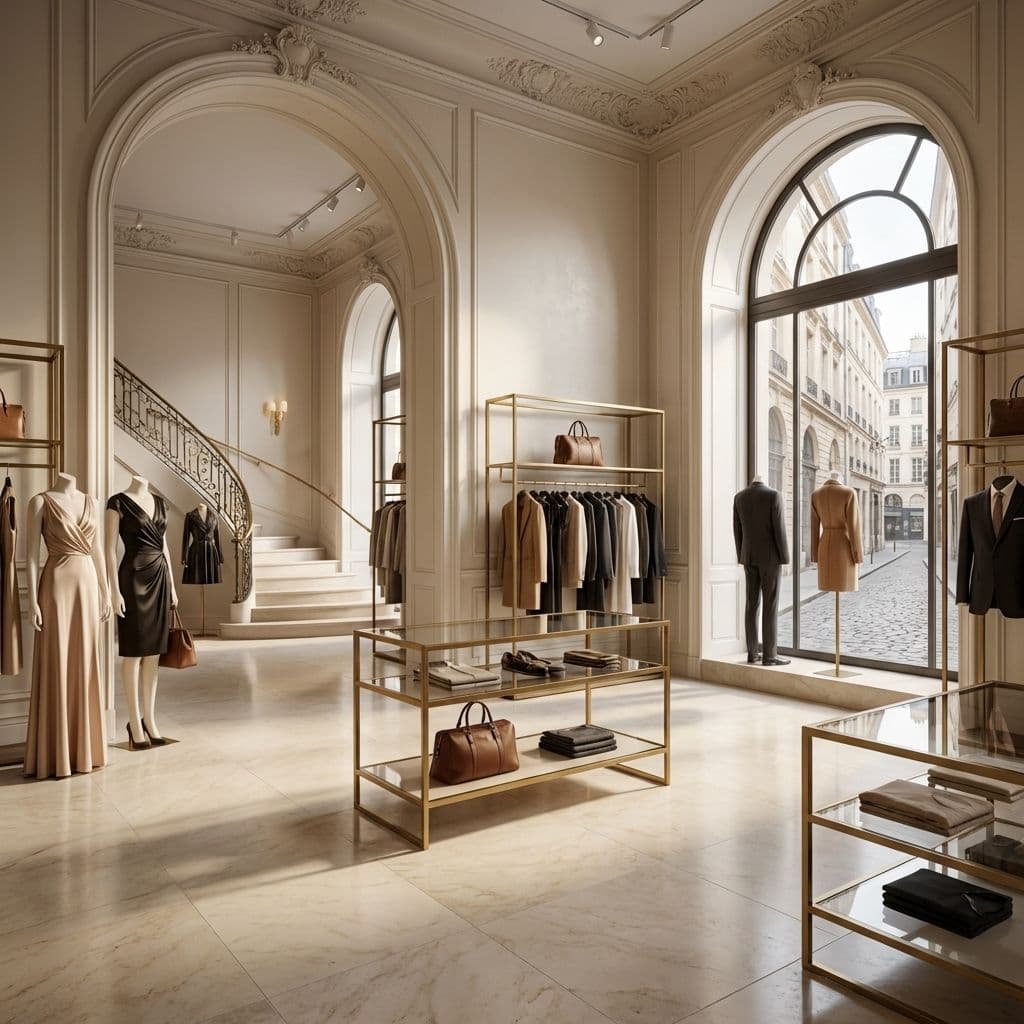
THE NEW MAP OF LUXURY: WHY EUROPE’S BOUTIQUE BOOM IS A GIFT GIVER’S DREAM
If you have spent any time over the last year hunting for a specific limited-edition timepiece or a particular heritage leather bag, you have likely encountered the digital wall. You know the one: the "Notify Me" button that never actually sends a notification, or the "Out of Stock" label that seems to haunt every luxury e-commerce site from London to Los Angeles. It is a frustrating era for gift givers who want something truly special.
However, there is a secret that the digital storefronts aren't telling you. While the online world feels picked over, physical retail is currently undergoing a massive, opulent Renaissance. According to recent reports, 96 brand-new luxury boutiques opened their doors across Europe in 2025 alone. That is a 13 percent increase in physical footprint in a single year. But these aren't just "more stores." They are high-tech, high-touch sanctuaries designed to solve the very inventory issues that plague the internet. If you are looking for a gift that carries weight and exclusivity, the new map of European luxury is your greatest asset.
BEYOND THE DIGITAL SCREEN: THE HIDDEN INVENTORY ADVANTAGE
The phrase "supply-demand issues" sounds like something better suited for a boardroom than a birthday or anniversary. In the world of high-end gifting, we should call it what it really is: the inventory advantage.
When a brand like Chanel or Louis Vuitton expands its physical footprint, it isn't just about putting more products on shelves. It is about creating a hierarchy of access. These new, sprawling flagships are designed to hold "hidden" stock—pieces that are never intended to see the light of an e-commerce warehouse. Because brands are prioritizing the in-person relationship, the rarest items are being funneled directly to these new European locations.
If you have been told a bag is sold out online, there is a very high probability it is sitting in a climate-controlled drawer in a new boutique in Milan or Paris. By shifting their focus back to physical spaces, luxury houses are rewarding the effort of the visit. For the gift seeker, this means the "impossible" find is suddenly possible again. You aren't just buying a product; you are successfully navigating an exclusive world to find the one thing no one else can get their hands on.
