LAtitude 52N Smart Glasses: Ex-OnePlus Tech & Hidden Costs
Team GimmieTHE ONEPLUS PEDIGREE MEETS THE AI SUBSCRIPTION TRAP
When a group of engineers leaves a company like OnePlus—a brand built on the Never Settle mantra—the tech world tends to lean in. We expect hardware that punches above its weight class and software that prioritizes the user experience. The new LAtitude 52N smart glasses, born from that very engineering lineage, initially seem to fulfill that promise. They are sleek, they are genuinely smart, and they aim to solve the awkwardness of wearable tech. But there is a ticking clock hidden inside these frames, and it is one that every potential buyer needs to hear before they reach for their wallet.
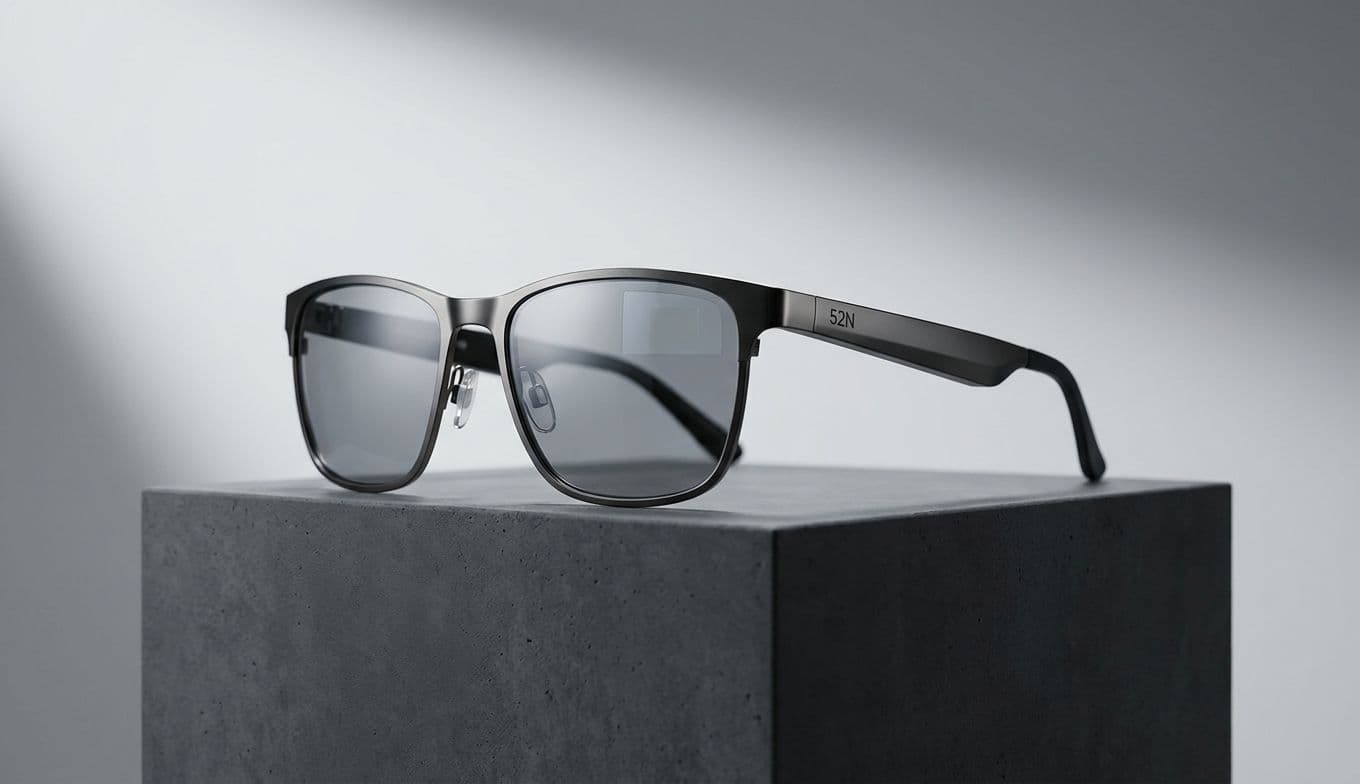
For years, smart glasses have suffered from the glasshole effect—devices that look so alien they alienate everyone around you. The LAtitude 52N avoids this entirely. These look like premium, classic eyewear, available in styles that wouldn't look out of place in a boutique shop. Weighing in at approximately 52 grams, they are remarkably light for the amount of tech packed inside. They feature discreet bone-conduction speakers and a tiny, almost invisible camera sensor. On paper, it is a hardware triumph. But as we have learned from the era of software-as-a-service, the hardware is only half the story.
THE MAGIC OF REAL-TIME AUGMENTATION
The core appeal of the 52N is its AI integration. This is not just a pair of headphones on your face. The engineers have leveraged their experience to create a seamless translation and contextual awareness engine. Imagine walking through a market in Tokyo and having the signs translated in a subtle audio overlay, or chatting with a friend in Paris while the glasses whisper the English translation of their French sentences directly into your ear.
This contextual AI also aims to identify landmarks and products in real-time. It is the kind of utility that makes the Ray-Ban Meta glasses look like a toy by comparison. While the Meta glasses are excellent for capturing video and basic assistant tasks, the LAtitude 52N is positioning itself as a productivity and lifestyle tool that actively interprets the world for you. The battery life is estimated at around four to six hours of active AI use, which is respectable for the form factor, though it requires a mid-day top-off if you are a heavy user.

THE HIDDEN COST OF INTELLIGENCE
Here is the catch that the Kickstarter campaign mentions in the fine print: the AI features are only bundled for the first year. After those initial twelve months, the company has not yet decided what the service will cost. This is a massive departure from the current market leaders. When you buy a pair of Ray-Ban Meta glasses for 299 dollars, you own the hardware and the access to Meta AI is included (with the understanding that your data is the currency).
With LAtitude, you are buying into a mystery box. After the first year, you could be looking at a five-dollar monthly fee, or it could be twenty. The company claims they are still gauging the costs of the server-side processing required for real-time translation, but for a consumer, this creates a major valuation problem. If you are giving these as a gift, you are essentially giving someone a subscription they didnt ask for. By year two, these 350-dollar smart glasses could become a pair of very expensive, very basic Bluetooth frames if the owner decides the recurring fee isn't worth it.
HARDWARE SPECS VS THE SOFTWARE GAMBLE
To understand if the risk is worth it, we have to look at what you are actually wearing. The 52N frames are IP54-rated for dust and water resistance, meaning they can handle a light rain or a sweaty workout. The lenses are interchangeable, supporting prescription options, which is a must for any serious wearable. The audio quality is surprisingly crisp, utilizing directional speakers that minimize sound leakage, so the person sitting next to you on the bus won't hear your private translations.
However, compare this to the stability of an established ecosystem. When you buy into a Google or Meta product, the long-term software support is usually a known quantity. LAtitude is a startup. Not only is the subscription price unknown, but the very existence of the servers that power the AI is dependent on the company's long-term success. If the company hits a rough patch in two years, your AI-powered translation tool might just stop working entirely.
WHO SHOULD TAKE THE PLUNGE
Despite the warnings, there is a specific type of person who will find these glasses irresistible. If you are a true early adopter—someone who lived through the early days of OnePlus or the first Pebble watch—you know the risks and you enjoy being on the bleeding edge. You are paying for the privilege of seeing where the technology is going before it becomes a mass-market commodity.
For the practical shopper, the criteria for success are different. If you are considering the LAtitude 52N, you should wait for two things. First, wait for a concrete pricing tier for the AI services. A startup that cannot project its service costs is a startup that might not have a sustainable business model. Second, look for a commitment to a base level of functionality that remains free forever. Basic navigation or voice commands should not be held behind a paywall.
VERDICT: A BRILLIANT PRODUCT WITH A TRANSPARENCY PROBLEM
The LAtitude 52N smart glasses are a testament to what ex-OnePlus engineers can do when they focus on sleek, functional hardware. They have successfully shrunk a powerful AI assistant into a form factor that you would actually want to wear to a dinner party. The translation features are genuinely futuristic, and the hardware specs hold their own against the biggest names in the industry.
But the unknown subscription cost is a heavy anchor on an otherwise buoyant product. We are moving into an era where hardware is increasingly becoming a Trojan horse for monthly fees. As consumers, we have to draw a line. If you are comfortable with the one-year trial and the uncertainty that follows, the 52N offers an experience you cannot get elsewhere. But if you prefer knowing exactly what your tech will cost over its lifetime, you might want to stick with the established players—at least until LAtitude decides what their AI is actually worth.
WATCH-OUTS FOR POTENTIAL BUYERS
Before you back the campaign or hit the buy button, keep these three points in mind. First, check the return policy regarding the AI trial. If the AI doesn't live up to the hype in your specific language or region, you want an exit strategy. Second, consider the hardware-only value. If the AI disappeared tomorrow, would you still be happy with these as Bluetooth audio glasses? If the answer is no, the investment is too high. Finally, keep an eye on the community forums. Early adopters will be the first to signal if the battery life or the translation lag becomes a real-world issue. For now, the LAtitude 52N is a fascinating experiment with a price tag that is still being written.