John Ternus Apple CEO: What It Means for Your Next Upgrade
Team GimmieThe Return of the Product Guy: What Apple’s Leadership Shift Means for Your Next Upgrade
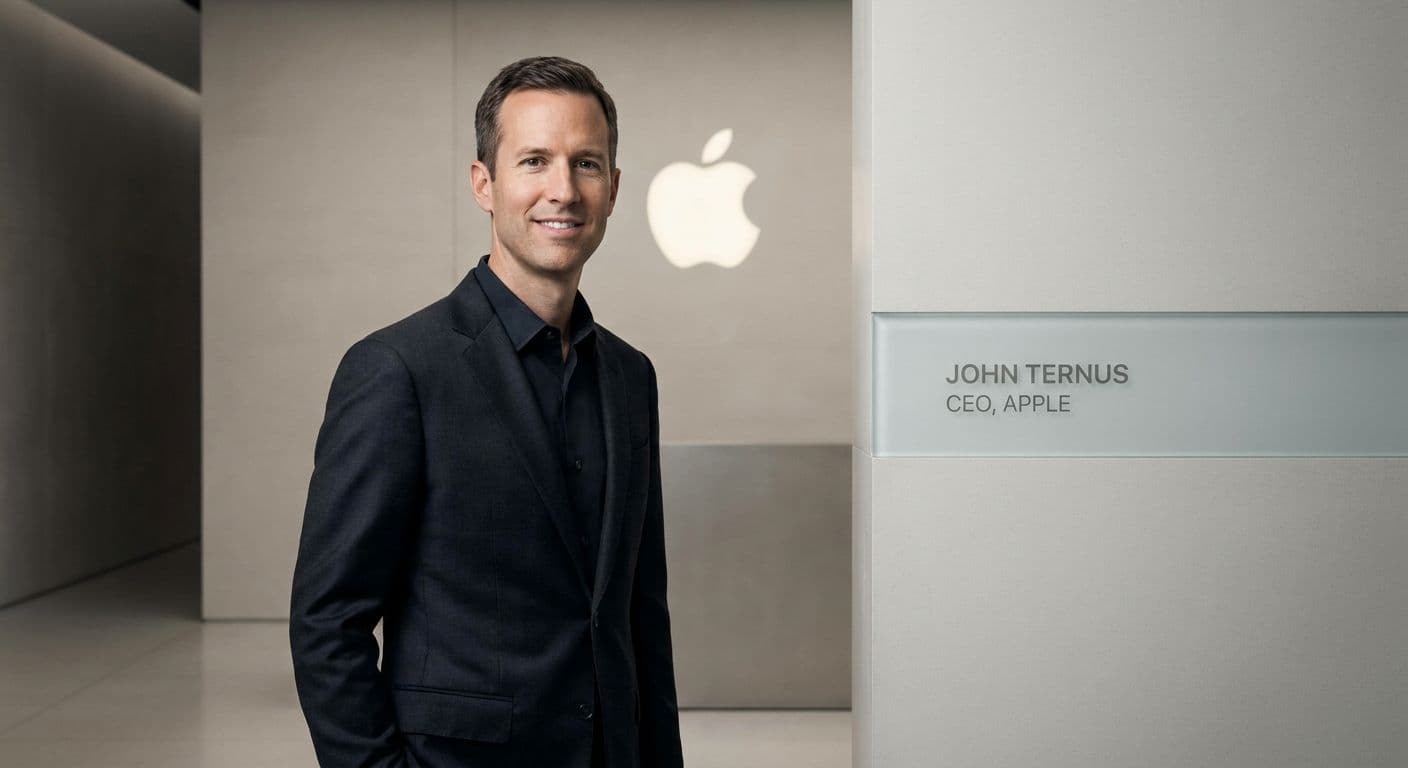
It is no secret that Apple, under Tim Cook’s steady hand, became a retail and operational juggernaut. Cook has been rightfully lauded for streamlining supply chains and boosting profitability, turning the company into a financial titan. But as we look at the current landscape, a significant shift is underway. The transition of John Ternus, Apple’s Senior Vice President of Hardware Engineering, into the CEO role signals a return to the company’s product-centric DNA.
This isn't just a reshuffling of the organizational chart. For those of us who spend our time hunting for the next great tech gift or personal upgrade, this move marks a fundamental change in what we can expect from the devices in our pockets and on our desks. We are moving away from the era of the spreadsheet and back into the era of the schematic.
The Engineer in the Corner Office
For years, Apple’s public face was defined by business metrics—earnings reports, impressive logistics, and the sheer scale of global operations. While that stability allowed Apple to dominate, many long-time enthusiasts missed the magic of a leader deeply immersed in the design and innovation of the hardware itself.
John Ternus is that leader. Having climbed the ranks through hardware engineering, he has been the driving force behind some of the most transformative shifts in recent memory. He was the face of the Apple Silicon transition in 2020, which effectively killed the loud, overheating laptop and replaced it with the whisper-quiet, marathon-battery machines we use today. More recently, he ushered in the iPhone Air last September. As the flashiest entry in the 2025 lineup, the iPhone Air proved that Apple is once again willing to prioritize bold aesthetics and specialized form factors over safe, incremental updates.
When a CEO understands how a device is actually built, the resulting products tend to feel more intentional. They stop being just a collection of checked boxes on a spec sheet and start feeling like tools designed to solve real-world problems.
Gifting in the Ternus Era: A Practical Strategy
If you are shopping for a gift or planning your own next purchase, the Ternus-led Apple requires a different strategy. Under previous leadership, you could usually assume the newest model was just "the old one, but 10 percent faster." Now, the lineup is becoming more specialized. Here is how to categorize the current offerings based on who you are buying for:

The Powerhouse Creative For the filmmaker, developer, or designer, the M-series MacBook Pro remains the undisputed king. Ternus’s fingerprints are all over these machines. They prioritize sustained performance and thermal efficiency, meaning they don't throttle when things get intense. If someone’s livelihood depends on their computer, this is the investment that pays for itself.
The Aesthetic Trendsetter The iPhone Air, released this past fall, is the perfect example of the new direction. It is thin, incredibly light, and leans into the joy of hardware design. It is the ideal gift for the person who treats their tech as a fashion statement but still needs the performance of a modern flagship. It isn't just a phone; it is a conversation starter.
The Daily Workhorse The 15-inch MacBook Air and the iPad Pro have benefited immensely from the engineering-first approach. These are for the students and mobile professionals who need reliability above all else. The focus here has shifted toward incredible battery life and screen quality—features that make a tangible difference in a coffee shop or a lecture hall.
Bridging the Gap: More Than Just Hype
It is easy to look at a hardware guy taking the top spot and assume we are simply trying to recapture the Steve Jobs era. However, the reality is more nuanced. While Jobs was a visionary, Ternus brings a more collaborative, engineering-rooted leadership style. He isn't just a "big idea" person; he is someone who understands the technical constraints of bringing a device from a concept to a retail box.
For consumers, this means looking for products that feel right in the hand. Are the ergonomics improved? Is the integration between the hardware and the software seamless? We saw this with the transition to M-series chips. The win wasn’t just the benchmark scores; it was the fact that you could work on a flight from New York to London without ever reaching for a charger. That is the kind of thoughtful engineering that defines this new chapter.
The Buy Now vs. Wait Matrix
Because Apple is entering a more aggressive hardware cycle, timing your purchase is more important than ever. Here is a quick guide to help you decide whether to pull the trigger now or hold off for the next announcement.
MacBook Pro and MacBook Air: Buy Now. With the current M-series chips, we have reached a plateau of "more than enough power" for 95 percent of users. These machines are refined, quiet, and will easily last five to seven years. There is no reason to wait for a marginal spec bump.
Apple Watch: Wait. Recent whispers suggest a major redesign is on the horizon, potentially focusing on more integrated health sensors and a fresh chassis. Unless you need a fitness tracker immediately, holding off until the fall cycle might be the smarter play.
The iPhone Lineup: Buy the iPhone Air. If you are currently using an older Pro model, the iPhone Air represents the most significant shift in design language in years. It is the first time in a while that a new iPhone feels genuinely different, rather than just slightly more polished.
A More Intentional Future
As Apple navigates this transition, the focus on product development promises an exciting future. We can expect a company that continues to innovate, not just for the sake of having something "new" to show at a keynote, but with a clear intention to enhance the user experience.
For gift-givers, this makes the choice easier. Instead of being overwhelmed by a sea of similar-looking devices, we are seeing a lineup where each product has a clear identity and a specific purpose. Whether it is a specialized tool for a pro or a beautifully thin device for a casual user, the hardware-first approach ensures that quality remains the top priority.
Apple's shift is more than a corporate headline. It is a signal that the gadgets we covet and gift are being designed by someone who loves the product as much as we do. While the operational efficiency of the last decade was impressive, the prospect of a leader who lives and breathes engineering suggests that Apple’s brightest—and most thoughtfully designed—days are still ahead of us.