iPhone Fold Leaks: Wide Design, Delays vs iPhone 18 Pro
Team GimmieThe Oddly Wide iPhone Fold: Apple’s Most Experimental (and Risky) Gift Ever?
It is the eternal question for tech enthusiasts and holiday shoppers alike: do you buy the proven winner now, or do you wait for the next big thing? For years, the next big thing in the Apple world has been the rumored foldable iPhone. But as we approach another major release cycle, the narrative is shifting from if it will happen to how weird it might look when it finally arrives.
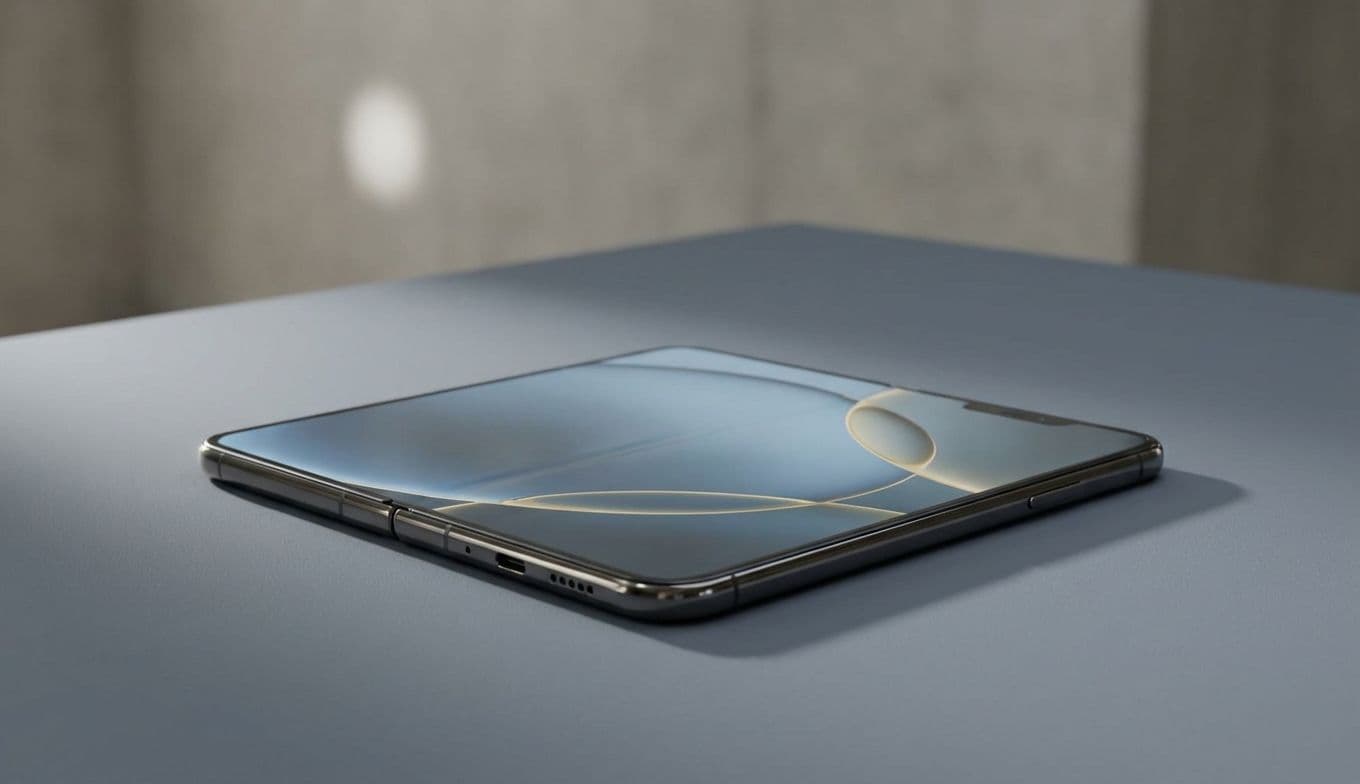
Recent leaks from Sonny Dickson, a journalist with a historically accurate track record for sourcing dummy units used by accessory makers, have thrown a curveball into our expectations. Alongside the expected mockups for the iPhone 18 Pro and Pro Max, Dickson shared images of a foldable iPhone dummy that can only be described as oddly wide.
If you were hoping for a sleek, tall device that mimics the current iPhone silhouette, you might want to adjust your mental image. This leak suggests Apple is taking a radical departure from its competitors, and for gift-givers, that choice comes with a heavy side of caution.
The Mystery of the Wide Form Factor
Most foldable phones currently on the market, like the Samsung Galaxy Z Fold series, opt for a tall and narrow design when closed. It feels a bit like holding a stack of two TV remotes. Apple’s dummy unit suggests a different philosophy entirely. This device appears much wider, potentially folding into something that looks more like a passport or a small, square notebook than a traditional smartphone.
What does this mean for the person actually using it? Ergonomically, a wider design is a bold bet. While a narrow foldable is easier to use with one hand for quick texts, a wider front screen would provide a much more natural typing experience and more screen real estate for apps without even opening the device.
When unfolded, this wide hinge likely creates an internal display that feels more like a mini-tablet—think a 4:3 aspect ratio similar to an iPad Mini—rather than the narrower, elongated screens found on Google or Samsung foldables. It is a design built for productivity, side-by-side multitasking, and deep-dive reading. However, it also means it will be a literal handful. It might not fit comfortably in a standard pocket, and it certainly won't be a one-handed device.

The Reliability Gap: iPhone 18 Pro vs. The Foldable
While the dummy units for the iPhone 18 Pro and Pro Max look polished and ready for the assembly line, the foldable unit arrives carrying whispers of production nightmares. Reports suggest that Apple’s early engineering tests have been plagued by durability issues, particularly with the folding display and the hinge mechanism.
This creates a stark contrast for anyone looking to buy a high-end device this year. The iPhone 18 Pro is shaping up to be a rock-solid, refined powerhouse—the culmination of nearly two decades of smartphone evolution. It is the safe bet. The foldable, on the other hand, represents a leap into the unknown.
Apple’s notorious perfectionism is likely the cause of the rumored delays. They don't want to release a device where the screen creases after three months or the hinge crunching after a year. But for a gift-giver, these delays are a massive red flag. A delayed launch means you might not even be able to get your hands on one until well after the holiday season, and even then, you’d be handing someone a first-generation experiment.
The $2,000 Question
Let’s talk about the impact on your wallet. Innovation at this scale never comes cheap, especially when it carries an Apple logo. To get a sense of the pricing, we only have to look at the current landscape. The Samsung Galaxy Z Fold 6 launched at $1,899, and Google’s Pixel Fold commands a similarly eye-watering premium.
Given Apple’s history of positioning itself at the absolute top of the luxury tech market, it is highly likely that a foldable iPhone would start at $1,999 or higher. When you compare that to the likely $1,100 to $1,200 starting price of an iPhone 18 Pro, you are paying a nearly $800 premium for a hinge and a wider screen.
As a gift, that is a monumental investment. You aren't just buying a phone; you are buying into a beta test of a brand-new form factor. For most people, that extra $800 would be better spent on a Pro model phone plus a pair of high-end headphones or even an iPad Air to go with it.
Who Should Wait and Who Should Buy Now?
Choosing between the experimental wide foldable and the tried-and-true Pro models really comes down to the personality of the person you’re buying for.
The Bleeding-Edge Adopter: If the person on your list is a true tech enthusiast who loves being the first to own a conversation piece, the Fold might be worth the wait. They won't mind the "passport" shape or the occasional software bug—they’ll be too busy showing off the folding screen at parties.
The Reliable Power User: For the person who uses their phone for work, photography, and everyday life without fail, the iPhone 18 Pro is the clear winner. It will offer the best cameras, the most stable software, and the peace of mind that it won't break if it’s opened 50 times a day.
The Practical Gift-Giver: If you need a guaranteed hit that will arrive on time for the holidays, stick with the traditional models. The production problems surrounding the foldable mean that even if it does launch, supply will likely be incredibly tight, leading to shipping delays and frustrated recipients.
A Cautious Conclusion
The emergence of the wide iPhone dummy tells us that Apple isn't just copying what’s already out there—they are trying to reinvent the category to suit their own ecosystem. But with reports of production struggles and a form factor that looks more like a mini-tablet than a phone, the "iPhone Fold" feels more like a promise of the future than a product for today.
If you’re looking to make a splash with a tech gift this year, the smart money is on the iPhone 18 Pro. It’s the peak of what a smartphone can be. Let Apple spend the next year or two ironing out the kinks in that wide, folding screen. By the time the third or fourth generation rolls around, the price will have dropped, the durability will be proven, and the "oddly wide" design might actually feel like a stroke of genius. For now, patience is more than just a virtue—it’s a financial strategy.