Instagram Parental Alerts: Teen Safety Guide & Offline Wellness Tools
Team GimmieA Digital Wake-Up Call: Understanding Instagram’s New Parental Alerts
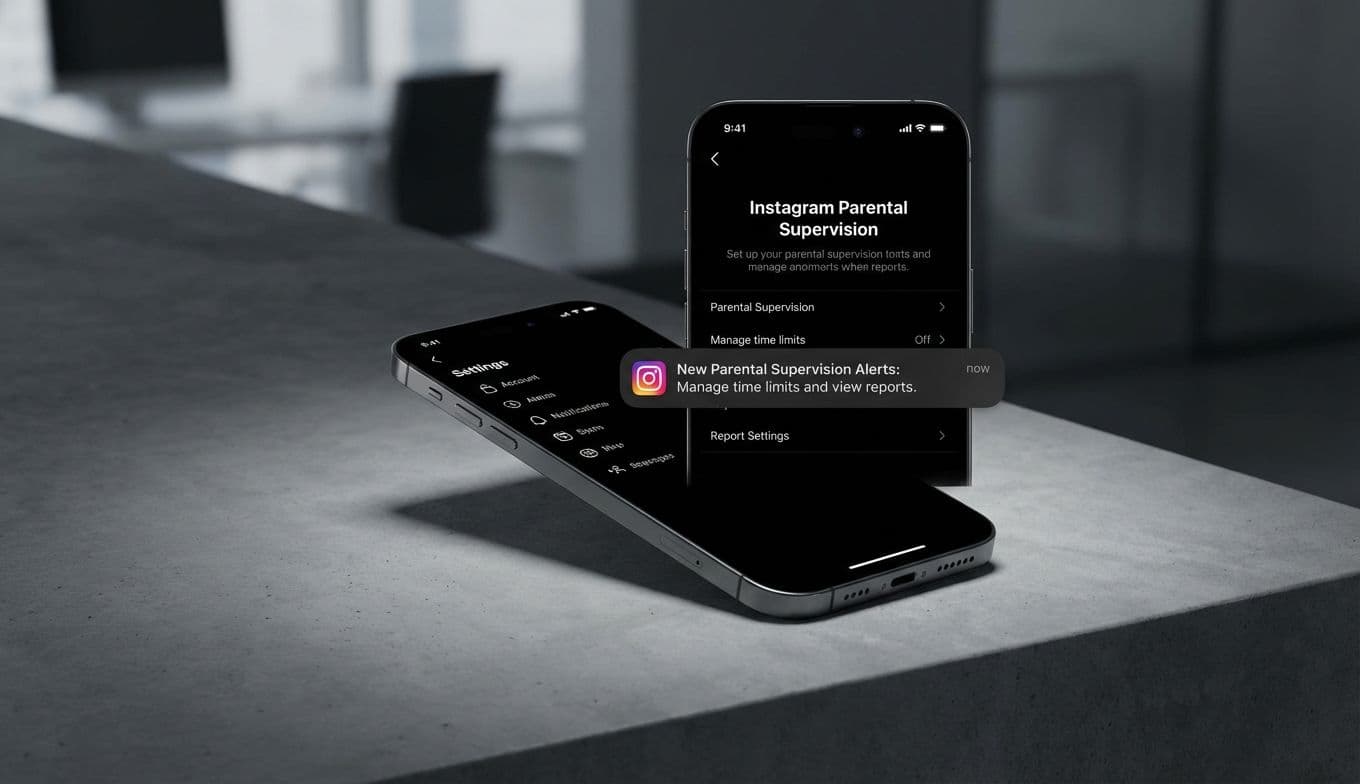
It is rare for a social media update to stop me in my tracks, but Instagram’s latest move did exactly that. Starting this week, the platform is rolling out a feature that alerts parents if their teens are repeatedly searching for terms related to self-harm or suicide. This isn’t a passive monitoring tool; it is a high-stakes intervention designed to trigger when a teen enters these specific search terms multiple times within a short window.
This news hits differently than your standard algorithm tweak. It’s heavy, it’s necessary, and it’s a stark reminder of the digital environment our kids are navigating. While it isn’t a product you can buy, it is a significant shift in the digital landscape that impacts how we think about the well-being of the young people in our lives. It nudges us toward a more mindful approach to digital guardianship and, perhaps more importantly, toward creating a lifestyle that prioritizes mental health over endless scrolling.
The Meta Family Center: A Shared Digital Commitment
Let’s be clear about how this works. This isn’t a "spy" tool that Meta is forcing onto accounts. The feature lives within the Meta Family Center, an opt-in supervision suite that requires agreement from both the parent and the teen. This is a crucial distinction. It’s not about surveillance from the shadows; it is about a shared responsibility initiated by the family.
By setting up supervision through the Meta Family Center, parents can see how much time their teens spend on Instagram and who they follow. This new search alert adds a critical layer of proactive safety. If the system detects a pattern of concerning searches, it pings the parent, providing a window into a struggle that might otherwise remain invisible.
However, a notification is just a signal, not a solution. Meta deserves credit for building a safety net, but the effectiveness of this tool hinges entirely on what happens after the phone pings. It provides the "what," but it doesn’t provide the "how" for navigating the sensitive conversation that follows. The real work happens offline, in the living room, and through the environment we build for our kids.

Building an Offline Sanctuary: The Bridge to Well-Being
When we receive a digital alert, the natural instinct is to react with fear or restriction. But the most effective response is often to lean into the creation of offline "safe spaces." If the digital world is becoming a source of stress or dark ideation, our job is to provide tangible, grounding alternatives that pull teens back into the physical world.
This is where the concept of digital wellness gifting becomes relevant. We aren’t just talking about giving a teen "more stuff" to distract them. We are talking about providing tools that foster a sense of accomplishment, calm, and presence. By investing in products that encourage tactile engagement and healthy habits, we can proactively build a lifestyle where the digital world isn’t the only place a teen feels they can express themselves.
Tangible Tools for a Screen-Free Reset
If we want to pull a teen away from the screen, we need to offer something more compelling than a void. The goal is to replace passive consumption with active creation. Here are a few specific, high-quality ways to build that offline sanctuary.
For Creative Grounding: Sculpd Pottery Kits There is something deeply meditative about working with clay. It is messy, tactile, and requires full focus. A Sculpd Pottery Kit is an excellent way to introduce a teen to a screen-free hobby that results in something permanent and functional. Unlike a digital post that disappears in a feed, a hand-built vase or tray is a tangible reminder of their own capability. It’s about the "flow state"—that moment when you’re so involved in a task that you forget to check your notifications.
For Cognitive Focus: LEGO Architecture Sets For the teen who needs to decompress through logic and structure, LEGO Architecture sets (like the Himeji Castle or the Great Pyramid of Giza) offer a sophisticated building experience. These aren’t toys for little kids; they are complex puzzles that require patience and precision. Completing one provides a genuine hit of dopamine that is earned through effort, which is far more satisfying than the fleeting dopamine of a social media like.
For Scientific Engagement: KiwiCo Projects KiwiCo has evolved far beyond its early days. Their "Eureka" and "Panda" crates for older teens focus on engineering and design. Whether it’s building a working wooden desk lamp or a hand-cranked pencil sharpener, these projects encourage a problem-solving mindset. They give teens a sense of agency over the physical world, reminding them that they can build and fix things, not just consume them.
Prioritizing Digital Hygiene: The Loftie Alarm Clock One of the best gifts for mental health is a phone-free bedroom. If a teen uses their phone as an alarm clock, the first thing they do upon waking (and the last thing they do before sleeping) is enter the digital fray. The Loftie Alarm Clock is a game-changer here. It’s a high-end, analog-inspired device that includes high-quality soundscapes, meditations, and a two-stage alarm. It allows a teen to keep their phone in the kitchen overnight, ensuring their sleep isn't interrupted by late-night search rabbit holes.
For Reflection and Mindfulness: The 5-Minute Journal Sometimes, the best way to process a difficult day isn’t through a post, but through a private page. The 5-Minute Journal is a structured, low-pressure way for teens to practice gratitude and reflection. It doesn’t ask for a novel; it just asks for a few intentional thoughts. For a teen navigating the pressures of high school, this can be a vital outlet for self-expression that doesn't invite external judgment.
The Conversation is the Ultimate Gift
Instagram’s new alert system is a tool, but you are the strategist. If you receive an alert from the Meta Family Center, the takeaway isn't to walk in with an accusation. It’s to use that signal as a gentle opening for a conversation. You might say, "I noticed you’ve been looking into some heavy stuff lately, and I just wanted to remind you that I’m in your corner, no matter what."
The bottom line is that awareness is the best gift we can give the young people in our lives. This update is a reminder that the digital world has real-world implications. It’s a prompt for us to be more present, to listen more closely, and to provide the tools—whether they are pottery kits or analog clocks—that help our teens feel grounded in the real world.
In a world saturated with fleeting digital trends, the most valuable things we can offer are genuine connection and a safe place to land. Use the technology to stay informed, but use your presence to stay connected. That is how we turn a digital alert into a meaningful breakthrough.