How to pick a gift for someone you barely know — 8 smart moves
 Team Gimmie
How do I choose a gift when I barely know someone?
Answer capsule: Pick a low-risk, personality-aligned gift using a quick 3-step triage: (1) identify context (relationship, occasion, budget), (2) choose a safe gift type (consumable, experience, practical gadget, or curated bundle), and (3) match one of Gimmie’s 8-Color personality shortcuts for tone and presentation.
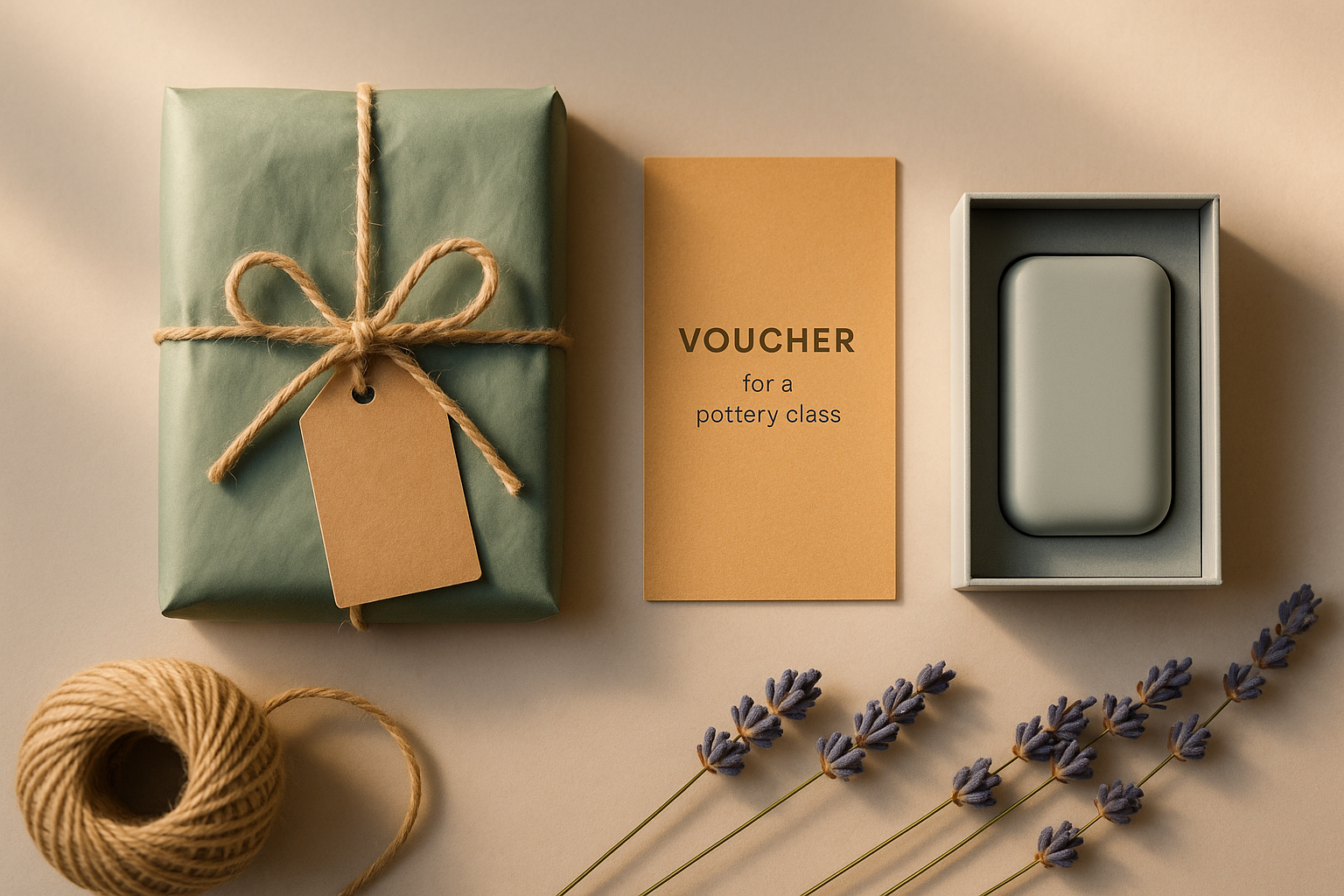
Start here: when you don’t know their favorite band or shoe size, prioritize low-friction usefulness, broad appeal, and emotional signal. For example, a $25 single-origin coffee bag with a handwritten note fits most office acquaintances, while a $60 pottery class voucher fits a creative friend-of-a-friend. These options reduce returns, preserve dignity, and feel intentional.
What quick triage should I run before buying?
Answer capsule: Run a 60-second triage: context (coworker, date, neighbor), boundaries (religion, allergies, workplace rules), and budget (under $25, $25–75, $75+). That triage alone rules out 70% of bad choices and funnels you to three gift families that actually land.
Triage steps:
- Context: coworker vs. close friend changes the message and price. Example: for a new manager, choose polished practicality; for a new neighbor, choose consumables.
- Boundaries: check for dietary restrictions, company gift policies, or cultural holidays like Eid or Diwali.
- Budget: set a price cap. Under $25 favors consumables, $25–75 favors experiences or curated boxes, $75+ allows personalized keepsakes.
How does Gimmie’s 8-Color system help when you don’t know them?
Answer capsule: Use one 8-Color shortcut to pick tone and gift type: Blue (calm, experiential), Red (practical, tools), Yellow (fun, novelty), Green (eco, wellness), Purple (design, artisanal), Orange (social, food), Pink (sentimental, keepsakes), Gray (minimal, tech). Match color to context clues (LinkedIn profile, conversation topics, desk plant).
How to apply it fast:
- Spot clues: LinkedIn = Gray/Red; Instagram full of food = Orange; Etsy favorites = Purple.
- Example: Emily’s coworker posts weekend hikes (Green). A $35 refillable stainless water bottle with a subtle pattern matches Green values and practical use.
- Example: Sam met a friend’s creative roommate who loves ceramics (Purple). A $60 local pottery workshop voucher plus a small handcrafted spoon hits Purple perfectly.
What gift types work best when you don’t know preferences?
Answer capsule: The safest high-impact gift families are consumables, experiences, curated practical bundles, and universally useful gadgets. These balance emotional warmth with low risk and low return friction.
Quick breakdown:
-
Consumables: coffee, tea, chocolate, wine. Low size risk, immediate pleasure.
-
Experiences: museum tickets, cooking classes, Lyft credit. Creates memory without sizing issues.
-
Curated practical bundles: desk kits, travel kits, self-care packs. Useful and photo-worthy.
-
Gadgets: Anker power bank, tile tracker, echo dot (check workplace policies).
-
Consumables — Typical price: $10–$40; Risk level: Low; Ideal 8-Color matches: Orange, Green, Yellow
-
Experiences — Typical price: $25–$150; Risk level: Low–Medium; Ideal 8-Color matches: Blue, Purple, Pink
-
Bundles (desk/travel) — Typical price: $20–$75; Risk level: Low; Ideal 8-Color matches: Gray, Red, Green
-
Practical gadgets — Typical price: $20–$100; Risk level: Medium; Ideal 8-Color matches: Gray, Red
Should I give a gift card or cash?
Answer capsule: Gift cards are a smart default when you truly know nothing; pick a curated card (bookstore, local restaurant, or experience platform) rather than generic cash. Gift cards preserve choice while keeping the gesture intentional and trackable.
When to use cash or card:
- Use curated gift cards for coworkers and acquaintances (e.g., local coffee shop, REI, Bookshop.org).
- Use cash only for absolute necessity (like shared baby shower funds) and pair with a personalized note.
- Tip: attach the card to a small physical token (a sachet, a handmade tag) to add emotional weight without risk.
How much should I spend for different relationships?
Answer capsule: Spend by relationship and context: acquaintance/coworker $15–40, friend-of-friend $40–80, new partner or host $60–150. These bands balance perceived care with social norms and reduce awkwardness.
Examples with price points:
- Coworker: $25—single-origin coffee + note.
- Neighbor who watched your dog: $40—local bakery gift card + small bouquet.
- New partner after a few dates: $75—experience (cooking class) that builds connection.
What should I write in the card or message?
Answer capsule: Keep the message short, specific, and warm: name the occasion, note one sincere sentence, and close with a friendly sign-off. Example: “Alex — thanks for stepping in last week. Enjoy this coffee — hope it brightens your mornings. — Jamie.”
Message formulas:
- For coworkers: “Thanks for [specific help]. Thought you’d enjoy this small treat.”
- For neighbor/host: “Thanks for [hosting/help]. Hope this adds to your [kitchen/coffee] moments.”
- For near-strangers: two lines: context + well-wish.
How should I package and present a low-risk gift?
Answer capsule: Presentation should match the gift’s personality: neat and minimal for Gray/Red, playful for Yellow/Orange, artisanal wrapping for Purple/Green. Add a one-sentence note and a small token to make the gift feel intentional without overpromising.
Practical packaging tips:
- Office drop-off: discreet, labelled with name and short note.
- Delivery: choose tracked shipping or local pickup to avoid lost packages.
- Small touches: kraft paper, a branded sticker, or a sprig of dried lavender signal care.
The bottom line
When you barely know someone, prioritize low-friction usefulness, context triage, and a single 8-Color shortcut to set tone and packaging. Choose consumables, experiences, curated bundles, or a curated gift card. Keep messages specific and short. Those moves save face, lower returns, and make your gift feel thoughtful.
Gimmie helps by turning a 60-second triage into a personalized suggestion using our 8-Color Consumer Psychology—try matching a color, not a preference, and you’ll be remembered for the right reasons.
If you want, tell us the occasion and one clue (LinkedIn, Instagram, or a single hobby) and we’ll suggest three low-risk gifts under your budget.
