How Instagram's Unoriginal Content Update Improves Shopping

How Instagram's Unoriginal Content Update Improves Shopping

Team GimmieTeam Gimmie
Published on April 30, 2026

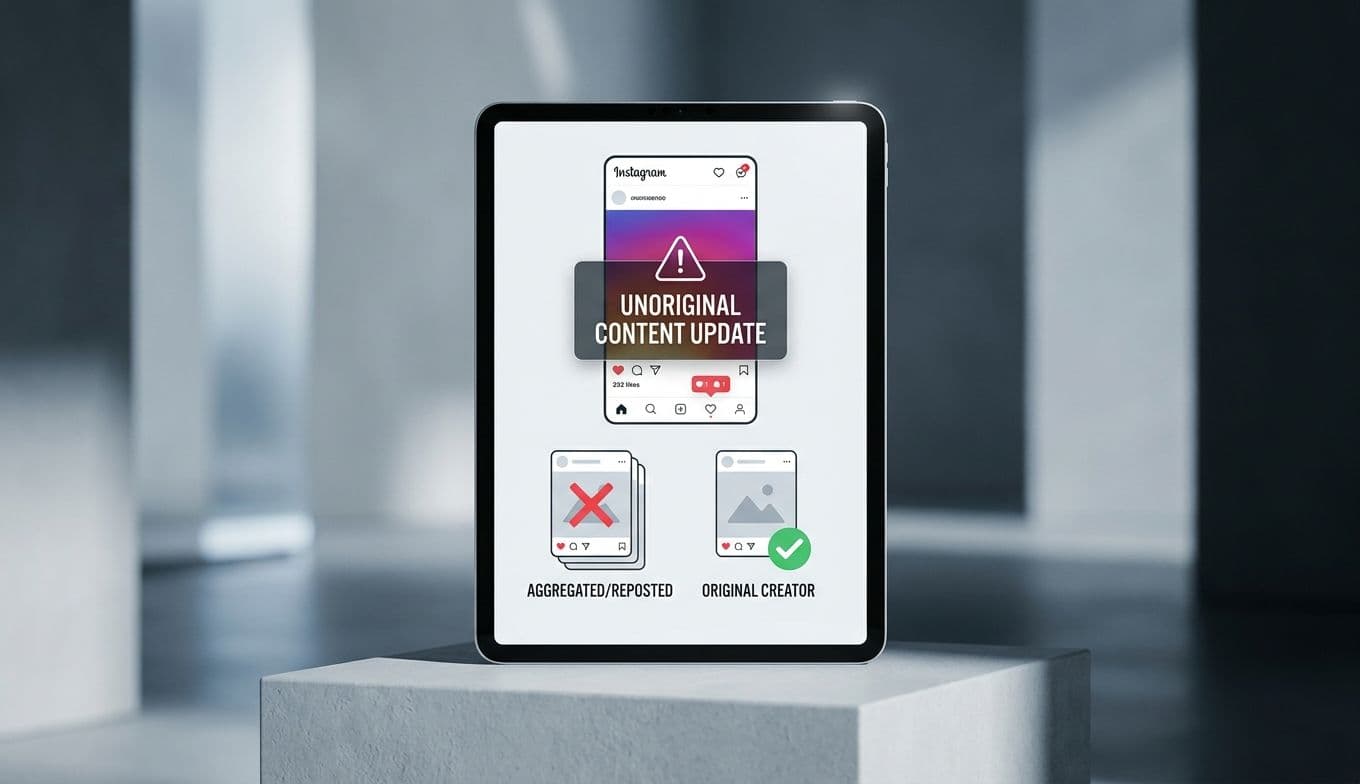
Instagram is finally cleaning up its act, and if you have ever spent an hour scrolling through the same three viral videos reposted by fifty different accounts, you know how overdue this is. Meta has been signaling a major shift since early 2024, essentially telling the copy-paste accounts of the world that their time is up. By limiting the reach of unoriginal content, Instagram is trying to push us back toward a version of the app that actually feels like it is made by humans, not aggregation bots.

For the casual scroller, this is a minor quality-of-life update. But for the person hunting for a truly unique birthday gift or a housewarming present that doesn't look like it came from a clearance bin, this change is a massive win. As a product journalist, I have spent years wading through the digital noise. This update is not just a policy tweak; it is a fundamental shift in how we discover the things we buy.

THE DEATH OF THE REPOST AND THE RISE OF THE REAL

To understand why this matters for your shopping list, you have to understand what Instagram is actually targeting. They are going after the aggregators—the accounts that download a popular Reel, slap a new caption on it, and hope it goes viral for them, too. This also includes those endless tweet round-ups where someone just screenshots a dozen jokes from another platform and calls it a day.

Meta is now prioritizing original creators in the algorithm. If an account is caught repeatedly posting content they did not create, they lose their spot in the recommendation feeds and the Explore tab. For gift-givers, this means the signal-to-noise ratio is finally improving. Instead of seeing a low-resolution repost of a generic product, you are more likely to see the person who actually built the thing.

IDENTIFYING THE CREATORS WHO WIN

When the copy-pasted noise disappears, who fills the gap? This is where gift discovery gets interesting. We are seeing a resurgence of what I call the high-effort creators. These are the people who provide the authenticity we have been missing.

Think of the Process-Heavy Artisan. Instead of a polished, thirty-second commercial, you see a ceramicist in their studio, hands covered in clay, explaining why a specific glaze reacted the way it did on a set of mugs. You are not just buying a cup; you are buying a story you watched unfold. When you give that mug as a gift, you can actually tell the recipient about the artist’s process.

Then there is the POV Product Reviewer. In the old algorithm, you might see a stolen clip of a vacuum cleaner working on a perfectly clean floor. In the new landscape, you are more likely to find a reviewer who shows the product in a real, messy living room, highlighting the flaws as much as the features. This is the difference between a targeted ad and a trusted recommendation.

BEYOND THE DROP-SHIPPING TRAP

We have all been there. You see a video of a "revolutionary" kitchen gadget or a "magic" cleaning tool. The video looks amazing, you click the link in the bio, and you end up on a sketchy website that looks like it was built yesterday. Three weeks later, a cheap plastic version of what you saw arrives—if it arrives at all. This is the hallmark of the unoriginal content cycle: stolen videos used to sell mass-produced drop-shipped junk.

By cracking down on unoriginal content, Instagram is making it harder for these scams to thrive. Compare that "viral" drop-shipping video to an original brand like a small-batch candle maker who films themselves pouring wax and testing scents. The original creator shows you the label design process, the packaging, and the face behind the brand. When the algorithm favors that original footage, the risk of you accidentally buying a low-quality knockoff for your best friend's wedding gift drops significantly.

HOW TO PIVOT YOUR SEARCH TACTICS

Even with the algorithm helping, you can still take control of your discovery process. If you want to find the best original gifts, you need to change how you search.

First, get specific with your hashtags. Broad tags like #giftideas or #coolproducts are still magnets for the old-school aggregators. Instead, go deep into the niche. Search for #handpouredsoycandles, #forgedkitchenknives, or #restoredvintagefurniture. These long-tail hashtags are where the actual makers live.

Second, look for the original audio tag at the bottom of a Reel. If the audio is attributed to the creator you are watching and matches what is happening on screen, that is a green flag for authenticity.

Third, check the "behind the scenes" or "studio tour" highlights. Genuine creators love showing their workspace. If an account only has high-gloss product shots with no human element or messy studio footage, proceed with caution. They might just be another aggregator in disguise.

A MORE INTENTIONAL WAY TO SHOP

Instagram's war on unoriginality is really a war on boredom. It is an admission that the "infinite scroll" of recycled jokes and stolen clips has made the platform less useful. For those of us who use social media as a tool for discovery, this is a breath of fresh air.

When we support original creators, we aren't just getting better gift ideas. We are ensuring that the people doing the hard work of making, testing, and reviewing products actually get the credit (and the sales) they deserve. The next time you are looking for that perfect, hard-to-find item, take a second to look past the first thing you see. The algorithm is trying to show you something real—you just have to be ready to recognize it. Cutting through the noise takes a little more effort, but the quality of the "find" is always worth it.