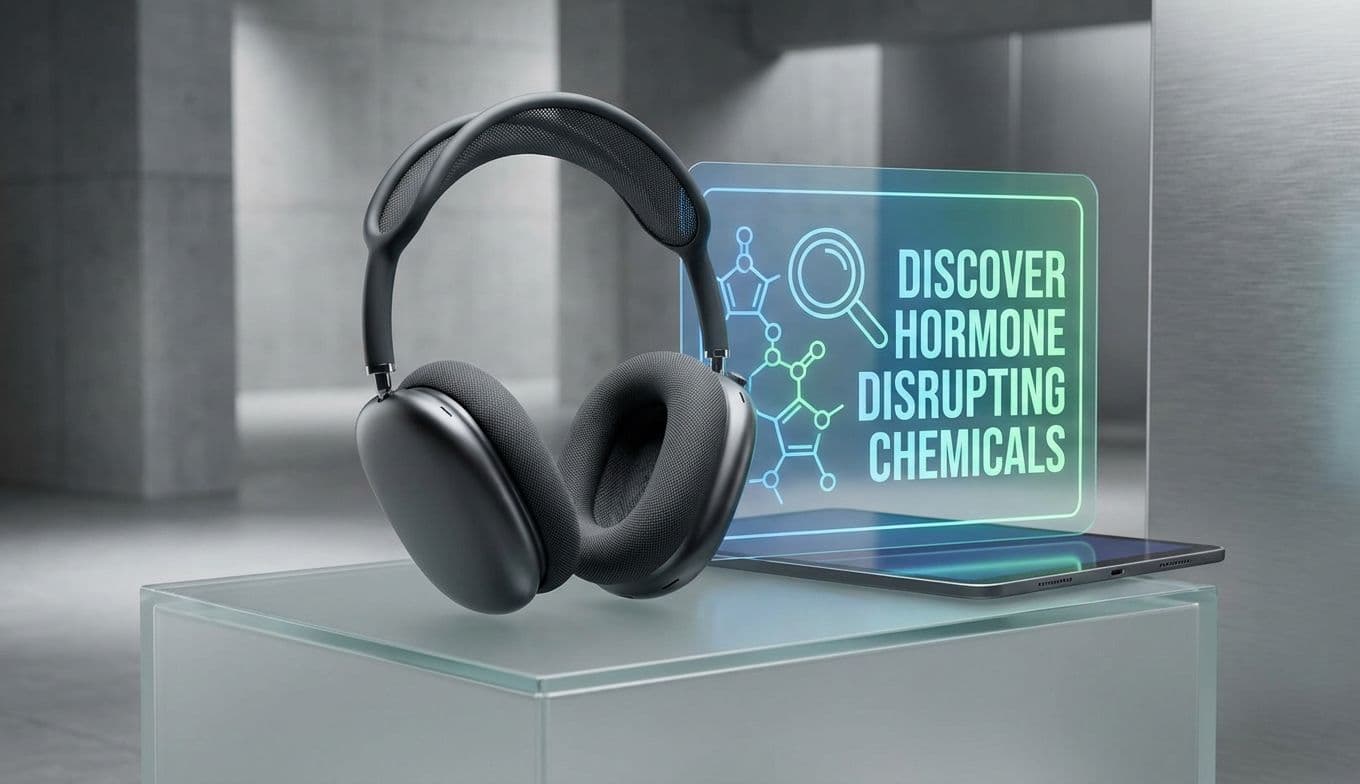
Hormone Disrupting Chemicals in Headphones: Are Yours Safe?

Hormone Disrupting Chemicals in Headphones: Are Yours Safe?

Team GimmieTeam Gimmie
Published on March 14, 2026

The Headphones We Love Might Be Harming Us: What You Need to Know

I have spent more hours than I can count with headphones clamped to my head. From testing high-end noise-cancelers in noisy office environments to sweating through earbuds during long runs, personal audio has been my constant companion. I always thought the biggest risk I faced was long-term hearing loss from cranking the volume a bit too high. I was wrong.

When the news first broke that an EU-funded study found hormone-disrupting chemicals in dozens of popular headphone models, my internal skeptic took the wheel. We live in an era of constant health scares, and it is easy to tune out another warning about plastics. But this time, the evidence is coming from high-level investigations, not fringe blogs. This study analyzed 81 different headphones from the brands we all own: Apple, Beats, Samsung, Bose, JBL, and Sennheiser.

The results were enough to make major European retailers like Bol.com and Coolblue immediately pull specific models from their digital shelves. If you are currently wearing a pair of headphones, or considering buying a pair for a child, it is time to look past the frequency response graphs and start looking at the ingredient list.

THE CHEMICAL COCKTAIL IN YOUR EARS

The study focused on Hormone Disrupting Chemicals, or HDCs. Specifically, researchers were looking for phthalates and bisphenols (like BPA), which are often added to plastics to make them flexible or durable. The problem is that these chemicals do not always stay inside the plastic. Through heat and prolonged skin contact, they can migrate out of the device and into your body.

The endocrine system is a delicate thing. It regulates your metabolism, your sleep, your mood, and your reproductive health. While the study found trace amounts in almost every pair tested, several models exceeded the legal limits set by European safety standards. When you consider that headphones are intimate products—they sit inside your ear canal or pressed against the thin skin of your temples for hours a day—the cumulative exposure becomes a legitimate concern.

IS YOUR GEAR ON THE LIST?

If you are reading this in North America, you might be tempted to think this is a European problem. Unfortunately, the consumer electronics industry relies on a global supply chain. The Apple AirPods or Bose QuietComforts sold in Amsterdam are almost certainly manufactured in the same facilities, using the same materials, as the ones sold in New York or San Francisco.

The 81 models tested included many industry staples. While the full list of every single specific model can be hard to track down in a single PDF, the investigation was spearheaded by Euroconsumers and organizations like Test Aankoop. If you want to check your specific model, your best bet is to visit the websites of European consumer watchdog groups or use the Scan4Chem app, which allows you to scan barcodes to check for substances of very high concern under EU regulations.

WHAT TO BUY INSTEAD: SAFER ALTERNATIVES

The good news is that you do not have to give up your podcasts. There are brands that have spent years prioritizing material safety and transparency before it became a headline. If you are in the market for a replacement or a gift, here are the brands currently leading the way in "cleaner" audio:

Fairphone: Known primarily for their ethical smartphones, Fairphone recently released the Fairbuds and Fairbuds XL. They are the gold standard for material safety. They use recycled plastics and are open about their supply chain. Crucially, they design their products to be modular, meaning you can replace the earpads or battery without tossing the whole unit, reducing your exposure to the degraded plastics found in older, crumbling headphones.

House of Marley: This brand has long prioritized sustainable materials. They use FSC-certified wood, recyclable aluminum, and their signature REWIND fabric (a mix of organic cotton and recycled plastic). By leaning away from heavy synthetic coatings and "pleather," they naturally avoid many of the high-risk phthalates found in mainstream competitors.

Bose and Apple (with a caveat): While some of their models were flagged in the EU study, both companies have some of the most robust environmental reporting in the industry. The key is to look for their latest generation products. Apple, for instance, has made significant strides in removing PVC and phthalates from their power cords and earbud housings over the last three years. If you are buying, buy the newest version possible, as they are most likely to comply with the latest, strictest safety regulations.

THE GIFT-GIVER’S SAFETY CHECKLIST

Buying headphones for someone else—especially a child—requires a different set of standards. Children’s developing bodies are significantly more sensitive to endocrine disruptors. If you are shopping for a gift, look for these specific terms on the packaging or the manufacturer’s website:

Phthalate-Free and BPA-Free: These are the big two. If a brand is proud of this, they will list it.

RoHS and REACH Compliant: These are European standards (Restriction of Hazardous Substances and Registration, Evaluation, Authorisation and Restriction of Chemicals). Even in the US, look for these certifications. They ensure the product meets strict limits on lead, mercury, and various toxic plastics.

Oeko-Tex Certified: If you are buying over-ear headphones, look for this certification for the fabric or foam ear cushions. It ensures the textiles have been tested for harmful substances.

Food-Grade Silicone: For earbuds, medical or food-grade silicone is much safer than generic "soft-touch" plastic. It is non-porous and far less likely to leach chemicals into the ear canal.

A CALL FOR INDUSTRY TRANSPARENCY

This study should be a wake-up call for the entire tech industry. For too long, we have obsessed over battery life, active noise cancellation, and spatial audio while ignoring the basic safety of the materials that sit against our skin.

As consumers, we have more power than we think. When major retailers start pulling products, manufacturers listen. By choosing brands that prioritize material transparency and demanding to know what is in our devices, we can shift the market.

Until the industry catches up, stay informed. If your current headphones are years old and the plastic is starting to feel "tacky" or the earpads are flaking, it is definitely time for an upgrade. Not just for the sound quality, but for your health. Look for the certifications, do a quick search on the brand’s chemical policy, and choose gear that sounds as good as it is safe.