Hermès Sales Jump 9%: Best Entry-Level Gifts & Investment Value
Team GimmieThe 9% Surge: Why Hermès Wins the Long Game
While much of the luxury sector has spent the last year grappling with fluctuating consumer confidence and a cooling global economy, Hermès recently reported a 9% jump in year-end sales. On the surface, it’s a healthy financial statistic. But for those of us watching the evolution of how we shop and give, it’s a masterclass in the enduring power of substance over style.
In an era of fast fashion and digital-first trends that disappear in a week, Hermès remains an outlier. This growth isn't just about the ultra-wealthy buying more bags; it’s a reflection of a broader shift in the "gifting economy." People are tired of the disposable. They are moving away from novelty items that lose their luster by February and are instead looking for objects that carry a sense of permanence. When you look at the Hermès phenomenon, you aren't just looking at a fashion brand; you're looking at a standard for what a meaningful gift should be.
The Magic of the Orange Box
There is a specific psychological weight to the Hermès Orange Box. It is arguably the most recognizable packaging in the world, and it serves as a visual shorthand for a very specific type of excellence. When someone receives that box, tied with the signature Bolduc ribbon, the experience begins before they even see the product.
For a gift-giver, this "unboxing" ritual is a massive part of the value proposition. It’s an immediate signal that the item inside wasn't a last-minute impulse buy. It represents heritage, patience, and a respect for the recipient. The Orange Box carries an emotional currency that transcends the price tag, making the act of giving feel like a significant event in itself. Whether it’s a small leather charm or a legendary handbag, that citrus-hued cardboard promises a level of quality that rarely disappoints.
Attainable Excellence: Entry Points Under $600
One of the biggest misconceptions about Hermès is that you need a five-figure budget to even walk through the door. While the Birkins and Kellys of the world command the headlines, the brand’s continued sales growth is heavily supported by its more "attainable" categories. These aren't just "logo-slapped" entry-level products; they are crafted with the same integrity as the most expensive pieces in the house.

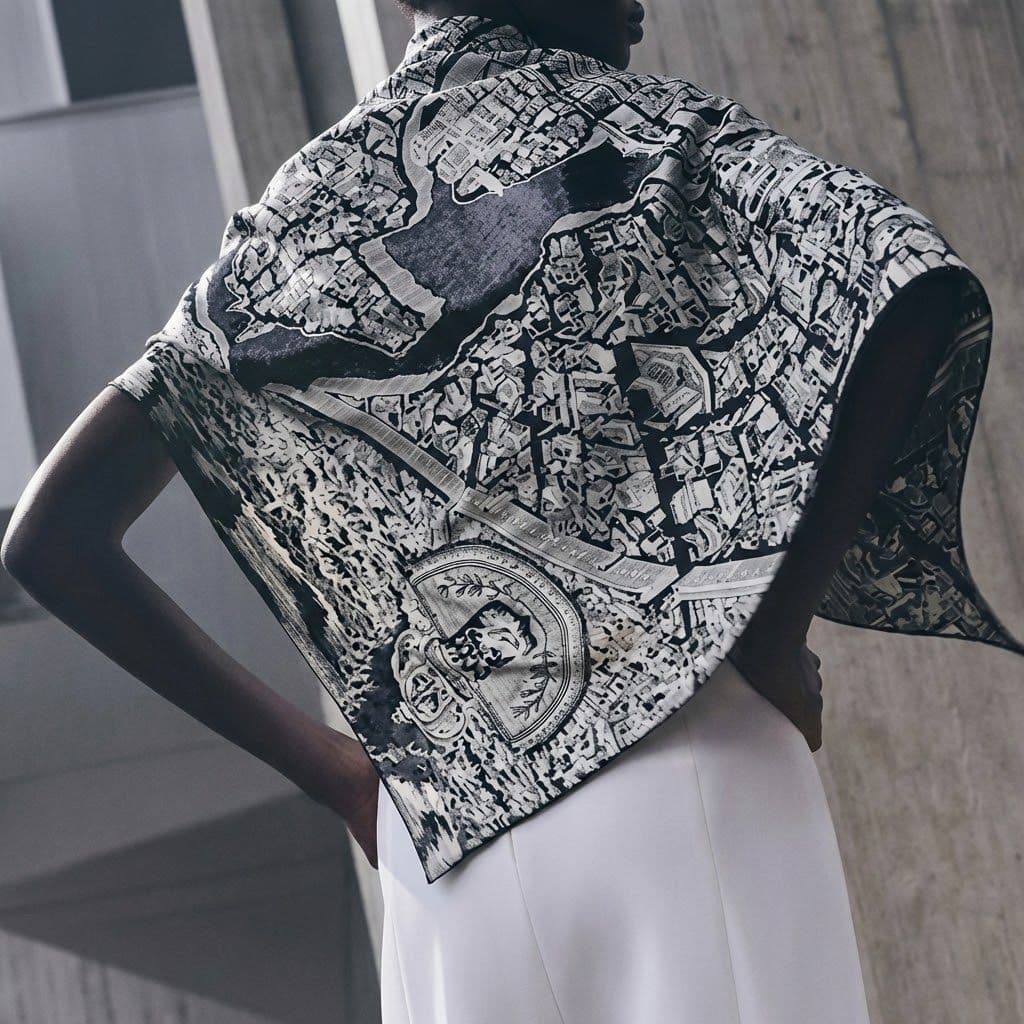
If you’re looking to gift something truly iconic without breaking the bank, start with the silk collection. The Twilly—a slender, versatile silk ribbon—starts at approximately $200. It can be worn around the wrist, as a necktie, or wrapped around the handle of a favorite handbag. If you want something more substantial, the Carré 90 (the classic 90cm silk square) sits around the $550 mark. Each Carré 90 is a literal work of art, often taking hundreds of hours to design and screen-print by hand.
Small leather goods are another brilliant entry point. The Bastia coin purse, a clever origami-style fold of single-piece leather, is a minimalist masterpiece priced around $275. If you want something for the professional, the Calvi card holder—priced between $400 and $500 depending on the leather—is a sleek, functional accessory that feels incredible in the hand and lasts for decades. These aren't just gifts; they are daily companions.
The Tactile Language of Togo and Clemence
The reason Hermès can justify its growth in a crowded market is its refusal to compromise on materials. When you hold an Hermès piece, you are feeling the results of an obsessive selection process. Unlike brands that use heavy pigments to hide imperfections in lower-grade hides, Hermès uses "full-grain" leathers that allow the natural beauty of the skin to show through.
Take Togo leather, for example. It’s one of the brand's most popular choices for a reason. It is a grained calfskin that is naturally scratch-resistant and holds its shape beautifully over time. It has a slightly matte finish and a wonderful "pebbled" texture that actually improves with age as it develops a unique patina.
Then there is Clemence, made from baby bull hide. It is softer and heavier than Togo, giving it a more relaxed, slouchy feel. It’s the kind of leather that invites you to touch it. For the mobile reader scanning for quality cues, remember this: in the world of luxury, weight and texture are the ultimate indicators of value. Hermès products feel substantial because they are. There are no shortcuts, no synthetic fillers, and no automated assembly lines. Every stitch is placed with intention by an artisan who has trained for years.
The Gift as an Investment
There is a practical side to the Hermès allure that is often overlooked: residual value. In a world where most consumer goods lose 50% of their value the moment you leave the store, Hermès maintains a remarkable level of price stability on the secondary market.
Pro-Tip: When choosing a gift, consider the leather and color. Neutral "Heritage" colors like Gold (a classic tan), Noir (black), and Etoupe (a sophisticated grey-brown) tend to hold their value most consistently. Because Hermès limits production and maintains strict quality control, even small leather goods often retain 70% to 90% of their retail value at resale.
This makes an Hermès gift a "smart" purchase. You aren't just spending money; you are parking capital in an object that holds its worth. For the recipient, there is a quiet confidence in knowing they own something that isn't just a fashion statement, but a genuine asset.
The Enduring Value of the Long Game
The 9% sales jump isn't a fluke; it’s a validation. In an increasingly digital, disposable world, we are seeing a return to the tactile and the timeless. We want things we can touch, things that smell like real leather, and things that won't be obsolete when the next software update rolls out.
Hermès endures because it understands that true luxury isn't about being loud; it’s about being right. It’s about the quiet satisfaction of a zipper that never catches, a silk scarf that feels like a second skin, and a box that makes the heart beat a little faster. Whether you are buying for a milestone anniversary or looking to treat yourself to a piece of history, the lesson from the Hermès year-end report is clear: Quality is the only trend that never goes out of style. In the end, the best gift isn't the one that follows the trend—it’s the one that outlasts it.