
Hermès Sales Growth: Why Quiet Luxury Wins & Best Entry-Level Gifts
Hermès defies luxury trends with 9% sales growth. Discover why 'quiet luxury' wins and explore the best entry-level Hermès gifts like the Calvi and Bastia.

By Team Gimmie
Updated August 27, 2026
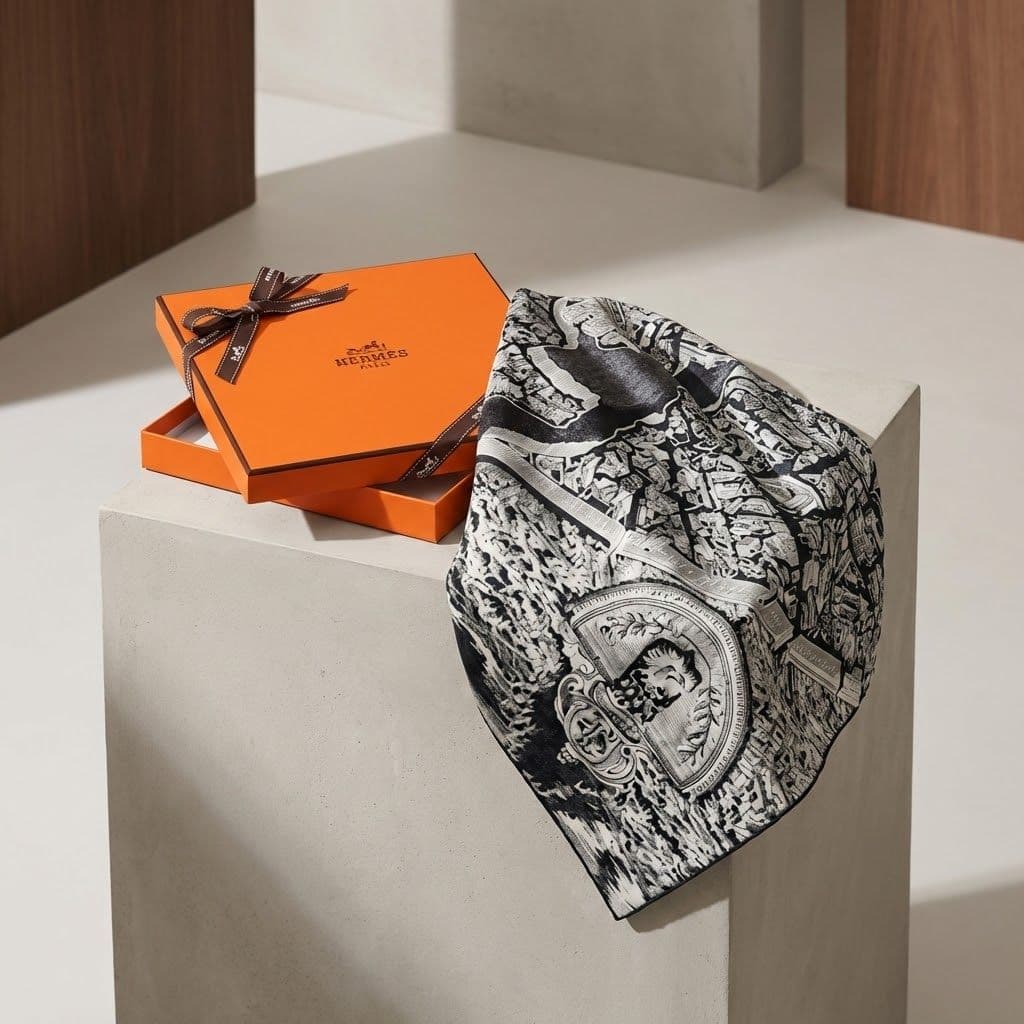
The Great Luxury Decoupling: Why Hermès Wins When Others Wane
While many of the world’s most prominent luxury houses are currently navigating a "spending winter"—watching revenues plateau as aspirational shoppers retreat from the market—Hermès recently reported a defiant 9% jump in year-end sales. In a landscape where even the most storied brands are pivoting to chase fleeting viral moments or doubling down on aggressive logo-centric marketing, this growth is a significant outlier. It signals a "great decoupling" in the high-end market: the shift away from brand-as-status-symbol toward brand-as-permanent-value.
For those of us looking to make meaningful gift-giving decisions or build a wardrobe that doesn’t expire with the season, this 9% figure is more than just a financial statistic. It is a validation of a specific philosophy. While the rest of the industry grapples with the fallout of the "trend cycle," Hermès remains the gold standard because it refuses to participate in it.
The Engineering of Desire: Beyond the Orange Box
The enduring appeal of Hermès isn't just about exclusivity; it is rooted in technical superiority. To understand why a gift from this house feels different, one has to look at the craftsmanship that most brands have long since automated.
At the heart of their leather goods is the saddle stitch (point sellier). Unlike a machine stitch, which uses two separate threads that can unspool entirely if one is cut, the saddle stitch uses a single long thread and two needles. They cross through each hole in a figure-eight pattern. If a thread breaks, the rest of the seam remains intact. This is why Hermès pieces are often described as "heirlooms"—they are physically engineered to survive generations of daily use.
Furthermore, the materials used are not merely "high quality" in a generic sense. Whether it is the rigid, scratch-resistant Epsom leather—a heat-pressed calfskin that holds its shape perfectly—or the supple, pebbled Togo leather that develops a beautiful patina over time, the choice of hide is intentional. For the gift-giver, this means you aren't just buying a name; you are purchasing a piece of material science and artisanal history.
