Hermès Sales Growth: Lessons in Luxury Gifting & Quality

Hermès Sales Growth: Lessons in Luxury Gifting & Quality

Team GimmieTeam Gimmie
Published on February 15, 2026

The 9 Percent Defiance: What Hermès’ Growth Teaches Us About the Art of Giving

While the rest of the retail world is currently scanning the horizon for economic storm clouds, Hermès is busy counting a 9 percent jump in year-end sales. In a climate where consumers are supposedly tightening their belts and luxury conglomerates are reporting "normalization" (corporate speak for slowing down), the house of the orange box remains effectively bulletproof.

This isn't just a win for shareholders; it is a fascinating case study in human psychology. It tells us that even when the world feels volatile, there is an insatiable appetite for the genuine article. People aren't just buying products; they are buying a refusal to compromise. As we look at our own shopping lists and the significant milestones we want to mark for others, there is a profound lesson in this 9 percent surge: quality doesn't just retain value—it creates its own economy.

The Secret Sauce of Permanent Relevance

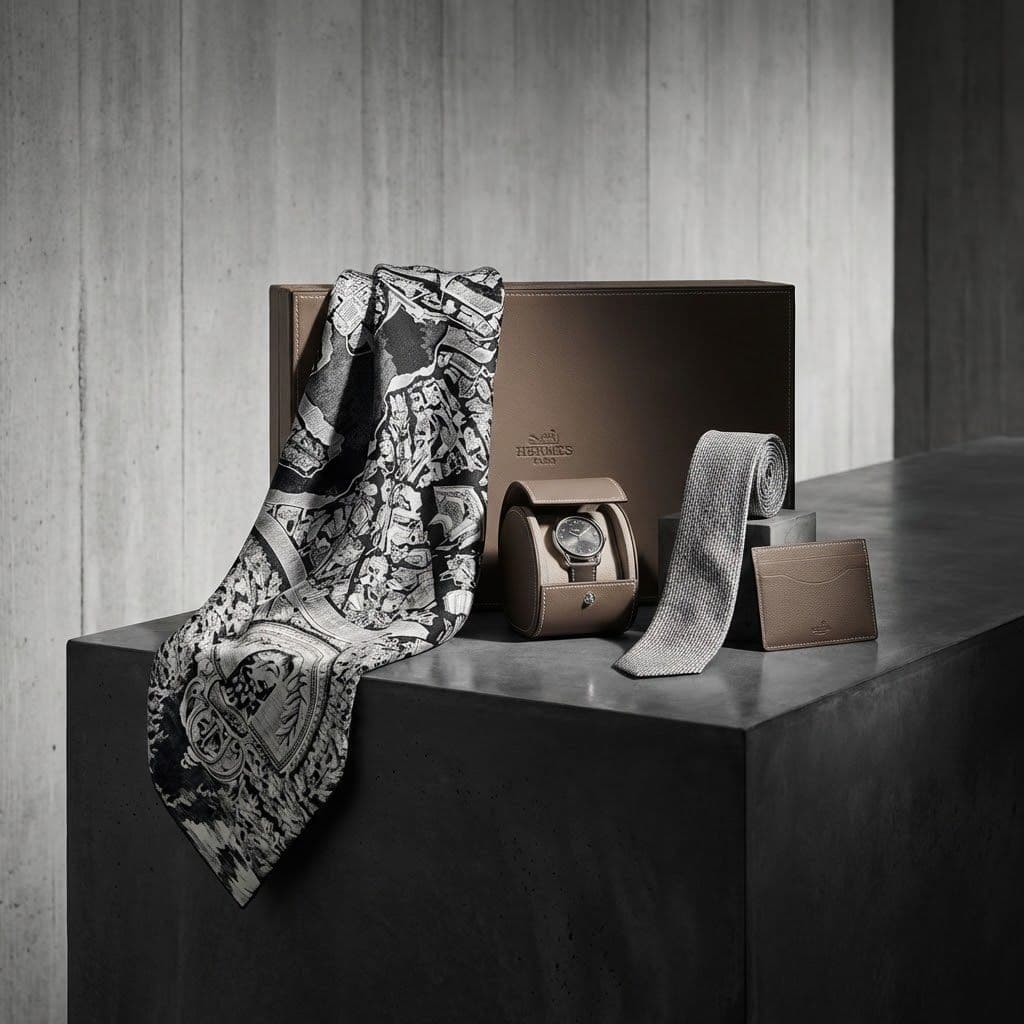
Why does Hermès thrive while others falter? It comes down to a radical commitment to being slow in a fast world. Most brands operate on a cycle of planned obsolescence, but Hermès builds things to outlive the owner. When you look at a silk carré scarf or a leather Constance bag, you aren't looking at a product of an assembly line. You’re looking at dozens of hours of human labor, hand-rolled edges, and saddle-stitching that a machine simply cannot replicate.

The brand also masters the "scarcity of excellence." By limiting production—not just to create hype, but because there are only so many artisans capable of meeting their standards—they ensure that every purchase feels like an achievement. This creates a secondary market where items often appreciate in value. When a gift can actually be considered an asset, the entire "cost per use" equation changes. It moves the needle from an indulgence to a legacy.

Building a Heritage Wardrobe Without the Birkin Price Tag

The "Hermès philosophy" isn't exclusive to those with five-figure budgets. It’s a mindset of intentionality. It’s the decision to buy one thing that is perfect rather than five things that are just fine. If you want to give a gift that carries that same weight of craftsmanship and longevity, you have to look for brands that prioritize the "how" and "where" over the "how many."

If you’re looking for that Hermès-level thoughtfulness at a more accessible entry point, consider these heritage-minded alternatives:

For the Knitwear Devotee: Instead of a mass-market wool blend that will pill by March, look at Naadam. They’ve disrupted the cashmere market by going directly to the herders in Mongolia’s Gobi Desert. Their pieces offer that buttery, "forever" feel of high-end luxury but at a price point that reflects a streamlined supply chain rather than a massive marketing budget. It’s a gift of pure tactile comfort that holds its shape for years.

For the Rugged Professional: If you want a gift that will literally be handed down to a grandchild, Filson is the gold standard. Their Rugged Twill Briefcases are legendary for a reason. They are heavy, over-engineered, and come with a lifetime guarantee. Much like a Kelly bag, a Filson bag looks better after a decade of hard use than it did on the day it was unboxed.

For the Watch and Accessory Enthusiast: Shinola has done for Detroit what the great workshops did for Lyon. Their leather journals and watches, like the iconic Runwell, are built with a visible pride in manufacturing. Choosing a Shinola piece sends a message that you value domestic craftsmanship and intentional design.

The Pro-Tip: Navigating the Pre-Owned Luxury Market

If your heart is set on the "Big H" or other top-tier legacy brands, but the retail price tag feels like a fever dream, you should be looking at the secondary market. However, this is not the place for "buyer beware" Craigslist deals. To shop like an insider, you need to use platforms that act as a firewall between you and a counterfeit.

Expert Insider Tip: Platforms like The RealReal and Fashionphile have revolutionized how we access high luxury. Because brands like Hermès and Chanel are built so sturdily, a "pre-loved" item is often indistinguishable from a new one, save for a much more palatable price. When shopping these sites, look for "Excellent" or "Pristine" condition ratings. Not only is this a more sustainable way to shop, but it also allows you to gift a piece of fashion history that would otherwise be out of reach.

The Shift from Stuff to Substance

We are living through a cultural pivot. The era of "disposable everything" is showing its age. The 9 percent growth at Hermès is a signal that consumers are tired of the cycle of buying, breaking, and discarding. They want things that mean something.

When you sit down to choose a gift for a wedding, a graduation, or a milestone birthday, ask yourself: Will this be in a landfill in five years, or will it be in the recipient’s daily rotation? The most successful gift-givers have realized that the "wow" factor isn't about the size of the box or the flashiness of the logo. It’s about the story of the object.

Whether it is a hand-forged kitchen knife from a local blacksmith, a beautifully bound library set of classic literature, or a vintage timepiece, the goal is to find the "Hermès" of that category. Seek out the makers who are obsessed with their materials. Look for the companies that offer repairs rather than replacements.

The Final Word on Value

Ultimately, the momentum behind Hermès proves that true luxury isn't about being expensive; it’s about being irreplaceable. As you navigate your future purchases, keep that 9 percent figure in the back of your mind. It’s a reminder that even in a cooling economy, we still value the things that are made with heart, soul, and a refusal to cut corners. Invest in enduring value, and you’ll never have to worry about your gift going out of style.