Heritage Luxury Resurgence: Why Ralph Lauren & Burberry Are Top Gifts
Team GimmieTHE RETURN OF THE CLASSICS: WHY HERITAGE LUXURY IS THE ULTIMATE GIFTING POWER MOVE
For a while there, the luxury world felt like a high-speed chase. We were all sprinting after the next viral logo, the latest "it-bag" that would dominate social media for three weeks before vanishing into the back of a closet. But the tide has turned. As we look at the data from the most recent Lyst Index, a fascinating pattern has emerged: stability is the new status symbol. While flashy newcomers fight for attention, the heavyweights—specifically Ralph Lauren and Burberry—are quietly reclaiming their thrones.
This isn't just a win for the brands; it’s a win for shoppers who are tired of the "fast luxury" cycle. When the world feels unpredictable, we gravitate toward things that have already stood the test of time. Heritage brands are seeing a massive resurgence because they offer something a trend never can: a guarantee. Whether you are buying for yourself or looking for a gift that won’t feel dated by next Christmas, the return to the classics is the smartest move you can make.
THE MATH OF LUXURY: COST-PER-WEAR AND RESALE REALITY
One of the biggest hurdles in luxury gifting is the price tag. It is easy to look at a Burberry trench or a Ralph Lauren cashmere sweater and wonder if the premium is actually justified. To answer that, you have to look past the initial transaction and consider the "cost-per-wear" and the long-term value retention.
Think of it this way: a trendy, $200 jacket from a fast-fashion brand might last one season before the stitching fails or the silhouette looks ridiculous. That is $200 gone. Meanwhile, a classic Burberry trench coat is designed to be worn for decades. If you gift that coat and it is worn fifty times a year for twenty years, the cost-per-wear drops to pennies.
Beyond the longevity of the garment itself, heritage brands are gold on the secondary market. If you ever decide to part with a legacy piece, the resale value remains remarkably high. While "buzzy" brands often see their value plummet once the hype dies down, Ralph Lauren’s vintage collections and Burberry’s iconic outerwear consistently command premium prices on platforms like The RealReal and Vestiaire Collective. You aren't just buying a gift; you are purchasing a liquid asset.

BEYOND THE BASICS: WHAT TO BUY NOW
If you think Ralph Lauren is just polo shirts and Burberry is just check-pattern scarves, you’ve been missing the most exciting developments in their current collections. These brands are leaning into their history while modernizing their offerings for a new generation.
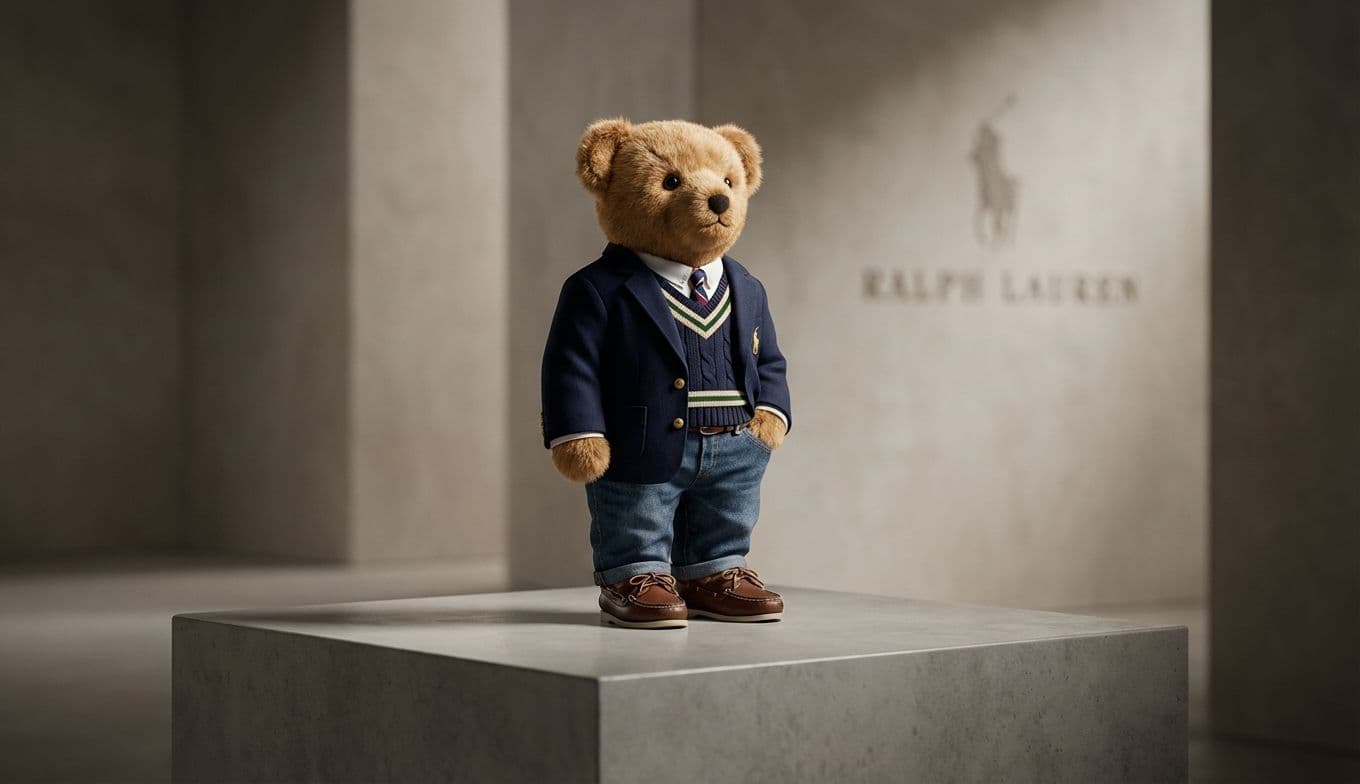
For Ralph Lauren, the Polo Bear series has moved from a niche collectible to a cultural icon. A Polo Bear wool sweater is perhaps one of the most clever gifts you can give—it’s whimsical, high-quality, and instantly recognizable to those in the know. If you are looking for something for the home, the Ralph Lauren Home collection is currently outperforming almost everyone in the lifestyle space. Their scented candles, like the Bedford or Brennan scents, and their iconic cable-knit throw blankets are "safe bet" gifts that feel incredibly expensive and thoughtful.
Over at Burberry, the brand has undergone a massive leather goods revamp. While the trench coat is the foundation, the newer "Lola" bags and the "Knight" bag—introduced under the creative direction of Daniel Lee—are the current stars. These pieces maintain the brand’s British heritage but add a tough, modern edge that appeals to a younger, fashion-forward crowd. If you want to gift something from Burberry that feels "now" without being "temporary," their leather goods are the place to look.
THE GIFTING PRO-TIP: THE POWER OF THE PERSONAL TOUCH
What truly separates a great gift from a generic luxury purchase is personalization. Both Ralph Lauren and Burberry have mastered this art, and it is a resource every gift-giver should utilize.
Ralph Lauren’s "Create Your Own" program is a goldmine for thoughtful gifting. You can take a classic Oxford shirt or a fleece hoodie and add custom embroidery, choosing specific colors for the pony logo and adding the recipient's initials. It transforms a standard retail item into a bespoke piece of clothing.
Burberry offers a similar level of elevated service with their scarf bar and leather embossing. Adding a gold-foil monogram to a leather card case or a subtle embroidery to a cashmere scarf takes about five minutes in-store but adds a lifetime of value to the gift. It shows that you didn't just pick something off a rack; you had it made specifically for them. In the world of luxury, that effort is the ultimate flex.
WHO IS THIS TREND FOR?
While everyone appreciates quality, this heritage resurgence specifically speaks to three types of people:
The Intentional Collector: This is the person who wants a "uniform." They don't care about what’s trending on TikTok; they care about what will look good in a photo thirty years from now. For them, a Ralph Lauren navy blazer is a holy grail gift.
The Eco-Conscious Consumer: Sustainability is often discussed in terms of materials, but the most sustainable thing you can do is buy something you never have to throw away. Gifting heritage luxury is a vote against the "disposable fashion" culture.
The Aspiring Sophisticate: For someone just starting to build a professional or adult wardrobe, a piece of legacy luxury acts as an anchor. It gives them the confidence of a brand with history without the risk of looking like they are trying too hard.
A LEGACY THAT LIVES IN THE CLOSET
The Lyst Index isn't just a list of numbers; it’s a reflection of our collective desire for something real. After years of digital noise and fleeting trends, the brands that our parents trusted are proving their worth all over again.
Ralph Lauren and Burberry aren't "coming back"—they never really left. They just waited for us to realize that the most exciting thing in fashion isn't the new; it’s the enduring. When you choose to gift a piece of heritage luxury, you are making a statement that quality, craftsmanship, and history still matter. And in a world of "here today, gone tomorrow," that is the best gift of all.