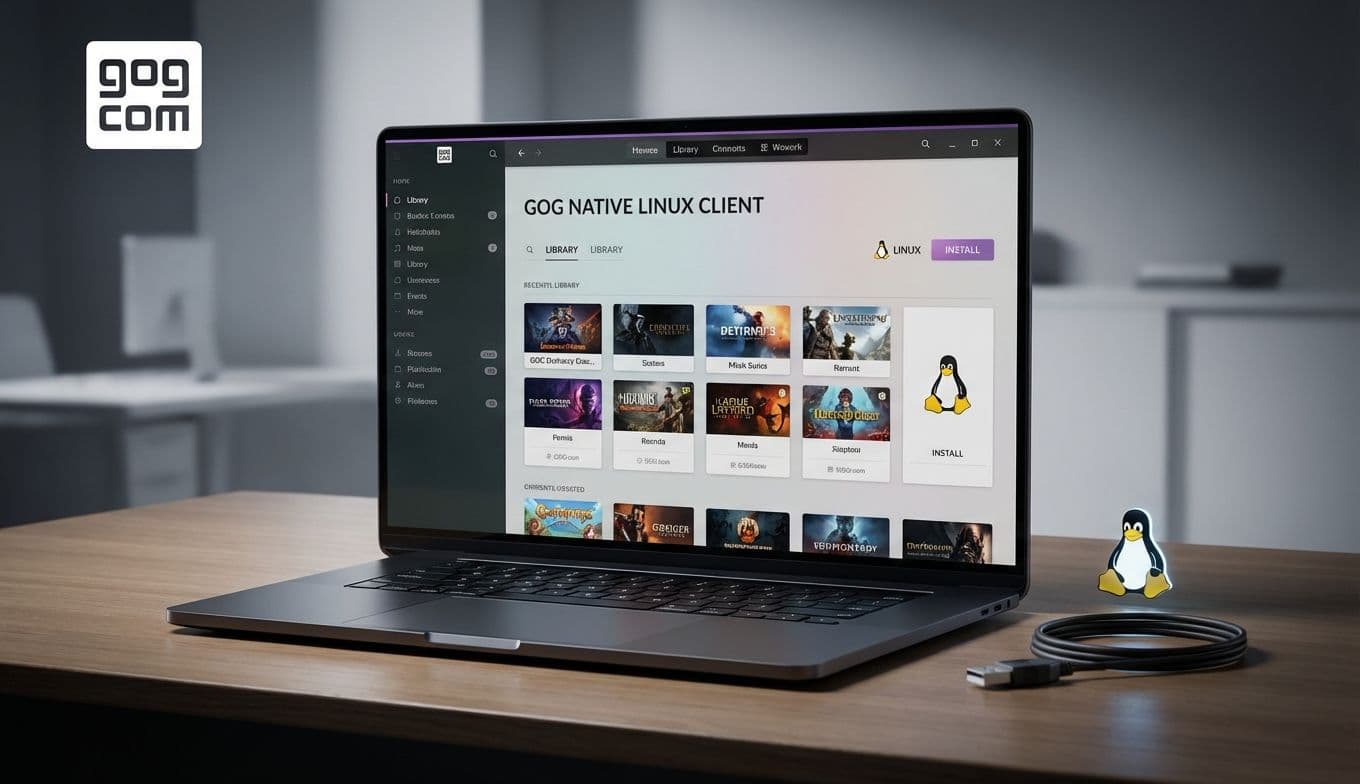
GOG Native Linux Client: A Game-Changer for DRM-Free Gaming
GOG is developing a native Linux client for GOG Galaxy, ending compatibility headaches. Discover why this is a game-changer for DRM-free gaming and the best hardware to use.
The End of the Compatibility Headache: Why GOG’s Linux Move is a Game-Changer
We’ve all been there. You finally track down a digital copy of that isometric RPG you loved in 1998, or perhaps a cult-classic shooter that defined your teenage years. You hit install on your modern Windows machine, heart full of nostalgia, only to be met with a black screen, a cryptic registry error, or a frame rate that looks like a slideshow. For years, the promise of PC gaming has been haunted by the ghost of compatibility. While Windows has been the default home for gamers, it isn't always a welcoming one for the classics.
This frustration is exactly why the Linux gaming scene has transitioned from a niche hobby for tinkerers into a genuine movement. But for many, the barrier to entry was the "plumbing"—the need to layer software like Wine or Proton just to get a game to launch. That is why the recent news from GOG (formerly Good Old Games) is more than just a software update. By confirming the development of a native Linux client for their GOG Galaxy platform, the company is signaling the democratization of the platform. They are removing the final technical hurdle for everyday users who want the stability of Linux without the configuration headache.
The Move Toward a Seamless Ecosystem
For the uninitiated, GOG has long been the gold standard for curated, DRM-free gaming. Their recent job listing for a senior software engineer to lead the Linux port of GOG Galaxy wasn't just a quiet HR move; it was a public declaration. In a Reddit AMA, the team described Linux as the next major frontier. This isn't corporate hyperbole. As mainstream operating systems become increasingly cluttered with telemetry and forced updates, gamers are looking for an exit ramp.
A native client means that the middleman is gone. Instead of translating Windows instructions into Linux instructions on the fly—which can lead to crashes or performance dips—the software will speak the language of the OS fluently. For the average user, this means a "one-click" experience. You buy the game, you click play, and it works. This level of accessibility is the final piece of the puzzle needed to make Linux-based systems a viable recommendation for everyone, not just the tech-savvy.
About Team Gimmie
A small team of friends and colleagues working together to produce useful content to help you...gift better.
The Gift of True Ownership: Why DRM-Free Matters
If you are looking to buy a game as a gift, there is a fundamental difference between a platform like Steam and a platform like GOG. Most digital storefronts sell you a license—a permission slip to play a game as long as their servers say you can. GOG sells you the game. This is the beauty of being DRM-free (Digital Rights Management-free).
When you gift a GOG title to someone, especially a Linux user, you are giving them a standalone installer. They can back it up to a thumb drive, keep it on an external hard drive, and install it twenty years from now without ever needing to "check in" with a central server. In an era where digital titles frequently disappear from libraries due to licensing disputes, GOG offers the only gift that truly lasts forever.
For the gift-giver, this adds a layer of prestige to the gesture. You aren't just sending a code that unlocks a temporary file; you are gifting a piece of digital history that the recipient truly owns. With a native Linux client on the way, that gift becomes even more valuable, as it ensures the game will run natively on the most open and enduring hardware platforms available today.
Hardware Spotlight: The Best Systems for the Linux Gamer
With GOG making its library more accessible, the question shifts from "can I play these games?" to "what should I play them on?" If you are considering a high-end gift for a gamer this year, three specific hardware options stand out as the primary beneficiaries of GOG’s native Linux support.
The Steam Deck
While produced by Valve, the Steam Deck is effectively a portable Linux computer. While it excels at running Steam titles, adding GOG Galaxy natively will turn this handheld into a retro-gaming powerhouse. It is the perfect gift for the commuter or the gamer who misses the days of the Game Boy but wants the power of a modern PC.
The Framework Laptop
For the eco-conscious or the DIY enthusiast, the Framework Laptop is a marvel of modular design. Because Framework leans heavily into Linux support, a native GOG client makes this the ultimate "forever laptop." You can upgrade the processor, the ports, and the screen over time, and your GOG library will move right along with you, running natively on a system built to last a decade.
System76 Pangolin or Thelio
If you want to gift a desktop or a high-performance laptop that comes with Linux pre-installed, System76 is the premier name. Their machines are engineered specifically for the Pop!_OS (a Linux distribution). For a gamer who wants to move away from Windows entirely, a System76 machine paired with a native GOG library offers a level of polish and performance that rivals any mainstream "gaming" PC from a big-box store.
A Gift-Giver’s Checklist for GOG Gaming
If you’re ready to dive in but aren't sure where to start, use this quick checklist to ensure your gift hits the mark:
Verify the Catalog: Before buying, head to GOG.com and use their search filters. You can specifically toggle for Linux-compatible titles. Even before the native client is finished, many of these games already have Linux-specific builds.
Check the Genre: Strategy games (like Civilizations or Stellaris) and classic RPGs (like Baldur’s Gate) often have some of the strongest native Linux support and are staples of the GOG library.
Look for the Linux Icon: On every game page, look at the system requirements section. A small Tux penguin icon indicates that a native Linux version already exists.
Consider a Gift Card: If you’re unsure of their specific hardware setup, a GOG gift card allows the recipient to curate their own DRM-free library as the new client rolls out.
The Future is Open
GOG’s commitment to a native Linux client is a signal that the "Windows-only" era of gaming is sunsetting. We are entering an age where the player has more control over their operating system, their hardware, and their actual game files than ever before.
By removing the friction of compatibility layers, GOG is inviting a whole new generation of gamers to experience the stability and freedom of Linux. Whether you are a purist who has used Linux for a decade or a gift-giver looking for a unique, high-value alternative to the standard gaming laptop, the horizon looks bright. The journey toward a truly open gaming ecosystem isn't just a dream anymore—it’s actively being coded, and it’s a win for anyone who believes that once you buy a game, it should be yours to play, anywhere and forever.
GOG Native Linux Client: A Game-Changer for DRM-Free Gaming | Gimmie