Essential Power Tools 2026: The Only 3 You Actually Need

Essential Power Tools 2026: The Only 3 You Actually Need

Team GimmieTeam Gimmie
Published on April 14, 2026

The Three Power Tools You Actually Need in 2026

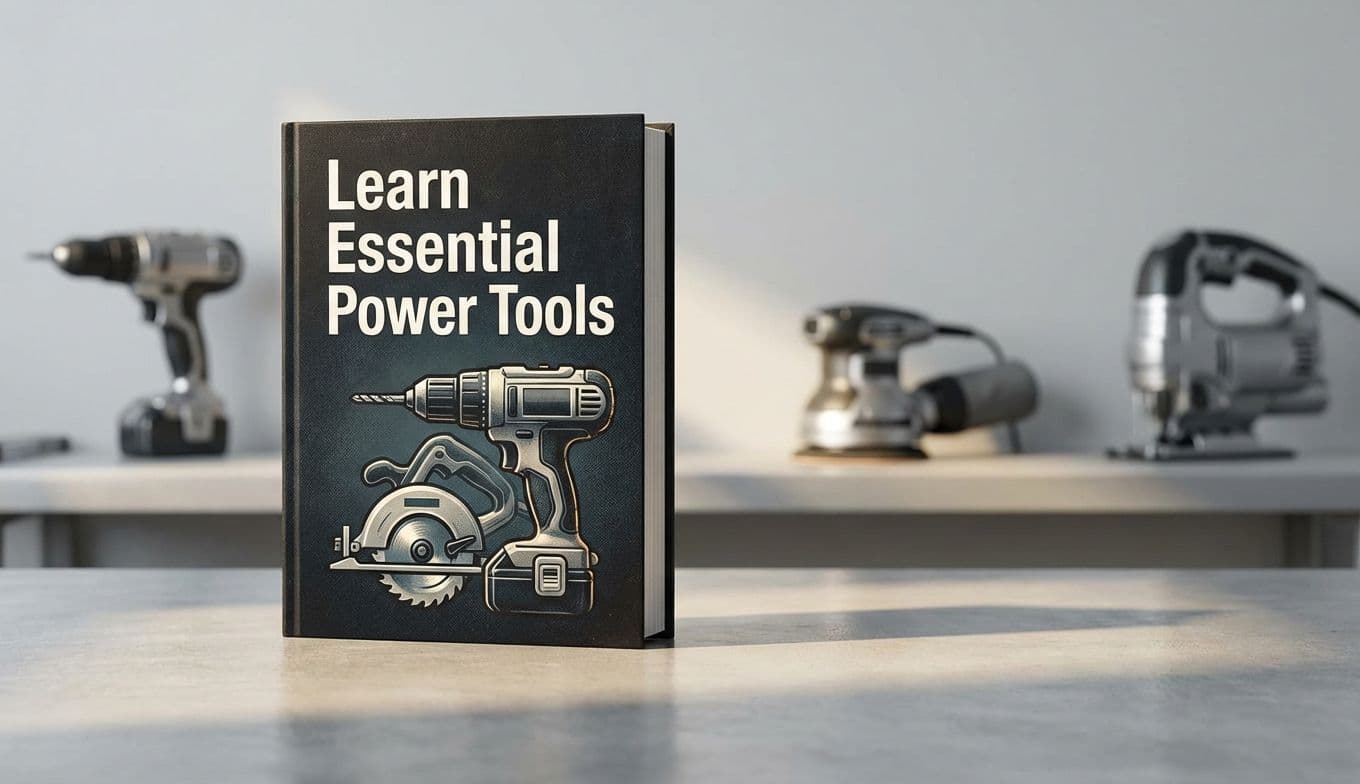
Walking into a hardware store or scrolling through a tool site today feels a lot like trying to choose a streaming service—there are too many options, everything looks the same, and half of it is stuff you’ll never actually use. Marketing departments want you to believe that every home project requires a specialized, hyper-specific gadget. In reality, about 90% of DIY and home maintenance boils down to three core tasks: making holes, cutting straight lines, and smoothing things over.

If you’re staring at a blank garage wall or looking for a gift that won’t end up at a yard sale in two years, you don't need a 20-piece combo kit. You need the Holy Trinity of home repair. By 2026, the technology behind these tools has shifted toward making them smaller, smarter, and easier to charge, meaning you can get professional results without having the forearms of a lumberjack.

The Sub-Compact Revolution: The Drill/Driver

The drill/driver remains the undisputed heavyweight champion of the toolbox. Whether you're hanging a heavy mirror, assembling flat-pack furniture, or building a deck, this is the tool you will reach for first.

The big news for 2026 is the rise of the sub-compact 18V tool. In years past, you had to choose: a lightweight 12V tool that struggled with big jobs, or a heavy 18V beast that felt like a workout to use. Today, brands like DeWalt and Milwaukee have perfected the sub-compact 18V motor. These tools offer the full power of a professional platform but in a frame that fits comfortably in a kitchen drawer or a small tool bag.

If you are looking for pure versatility, the DeWalt 20V MAX XR Brushless Sub-Compact Drill is a masterclass in ergonomics. It’s short enough to fit between wall studs but has enough torque to drive a three-inch screw into solid oak without breaking a sweat.

For those who prioritize convenience, keep an eye on the new 12V ecosystems. Many of these, particularly from brands like Ryobi and Bosch, now feature USB-C charging ports built directly into the batteries. This is a game-changer. It means you can charge your drill battery with the same cable you use for your laptop or phone, eliminating the need for those bulky, proprietary plastic charging docks that clutter up your counters.

The Circular Saw: Master the Straight Cut

While a drill puts things together, the circular saw is what lets you build from scratch. From trimming a door that sticks to breaking down large sheets of plywood for a shelving project, a circular saw provides a level of speed and portability that a hand saw can’t touch.

By 2026, the corded circular saw has mostly become a relic for specialized shops. High-output lithium batteries now provide enough runtime to cut through dozens of 2x4s on a single charge. The Makita 18V LXT Brushless 6-1/2 inch saw is the gold standard here. It’s light, perfectly balanced, and powerful enough for almost any residential task.

Safety First: A Vital Note for New Users Many beginners find the circular saw intimidating because of the exposed blade and the noise. That fear is actually a good thing—it keeps you alert—but modern tech has made these tools much safer. Look for a saw with an electric brake; this feature stops the blade almost instantly the second you let go of the trigger, rather than letting it spin down for several seconds. Always ensure your workpiece is properly supported so the wood doesn’t pinch the blade (which causes kickback), and never, ever zip-tie the safety guard open.

The Random Orbit Sander: Pro Finishes Without the Fatigue

If you want your projects to look like they were bought at a high-end furniture store rather than built in a driveway, you need a sander. Specifically, a random orbit sander. Unlike older sheet sanders that move in a predictable circle (and leave ugly swirl marks), a random orbit sander oscillates in an irregular pattern. This ensures a perfectly smooth finish regardless of the wood grain.

In 2026, the focus for sanders has shifted from power to health. Sanding creates fine dust that is terrible for your lungs and a nightmare to clean up. The industry standard is now HEPA-ready dust extraction. When shopping, look for models like the Bosch ROS20VS or the DeWalt DWE6421K. These models feature high-quality dust canisters, but more importantly, they have standard ports that allow you to click them directly into a HEPA-rated vacuum. This setup captures up to 99% of the dust at the source, making it possible to sand a table in your living room without covering your entire life in a layer of tan powder.

The Gifter’s Checklist: Buying for Someone Else

Tools make incredible gifts, but they can be tricky because of battery compatibility. Most modern power tools are essentially a "platform." Once someone starts buying one brand, they are usually locked into that battery system. If you’re buying a gift, follow this quick checklist:

  1. Check the Color: This is the easiest hack. If their current tools are Yellow, buy DeWalt. If they are Red, buy Milwaukee. If they are Teal, buy Makita. If they are Neon Green, buy Ryobi. Mixing brands usually means the recipient has to manage multiple different chargers, which is a hassle.
  2. Tool-Only vs. Kit: If they already have the batteries, you can save money by buying the tool-only (often called the bare tool). If this is their first tool, you must buy a kit that includes the battery and charger.
  3. Check the Voltage: Ensure you’re matching 18V with 18V. While some brands have cross-compatible batteries, it’s safest to stick to the same voltage line they already use.
  4. The USB-C Factor: If you’re buying for a Gen-Z DIYer or someone living in a small apartment, look for those new 12V USB-C compatible kits. The "no-charger-needed" lifestyle is a massive selling point.

The Bottom Line

You don't need a massive workshop to be a capable DIYer. By investing in a high-quality sub-compact drill, a safety-conscious circular saw, and a HEPA-ready sander, you have the foundation to tackle 90% of home projects.

In 2026, the best tools aren't necessarily the biggest ones; they’re the ones that are easy to charge, comfortable to hold, and smart enough to keep your workspace clean. Start with these three, learn their quirks, and you’ll find that there isn't much you can't build or fix on your own.