Energy-Efficient Home Office Upgrades for Remote Work
Team GimmieThe Energy Crisis Return: Why Your Home Office Needs a Professional-Grade Reset
Just when we thought the morning commute was back for good, the global energy landscape had other plans. For the past two years, many of us have been caught in a tug-of-war between the comfort of our home setups and the corporate pull of the downtown office. But as energy supplies tighten and the International Energy Agency (IEA) sounds the alarm, the script is flipping once again.
We aren't just talking about a lifestyle choice anymore; we are talking about a global necessity. The IEA—originally formed during the 1970s oil crisis—is now urging a return to remote work as a primary strategy to curb fuel demand. If you've felt the pinch at the gas pump or watched your heating bill climb, you know the stakes. The silver lining? This shift provides the perfect excuse to finally transform that makeshift corner into a high-efficiency power center. Whether you are treating yourself or looking for the ultimate gift for a remote-working partner, it is time to move past the kitchen chair era.
The IEA Directive: Why We’re Staying Put
The IEA recently released a 10-point plan to reduce energy reliance, and the recommendations are surprisingly personal. They aren’t just looking at massive power plants; they are looking at us. By encouraging remote work for those who can, the agency estimates we can significantly slash oil consumption and ease the pressure on a fragile global grid.
Essential Takeaways from the IEA Energy Report:
- Work from home at least three days a week where possible.
- Reduce speed limits on highways to save fuel.
- Increase use of high-speed trains over short-haul flights.
- Promote car-free Sundays in major cities.
- Use smart tech to optimize household heating and cooling.
This isn't a temporary drill. It’s a call to build more sustainable, permanent home environments.
The Gift of Focus: Energy-Smart Displays and Lighting
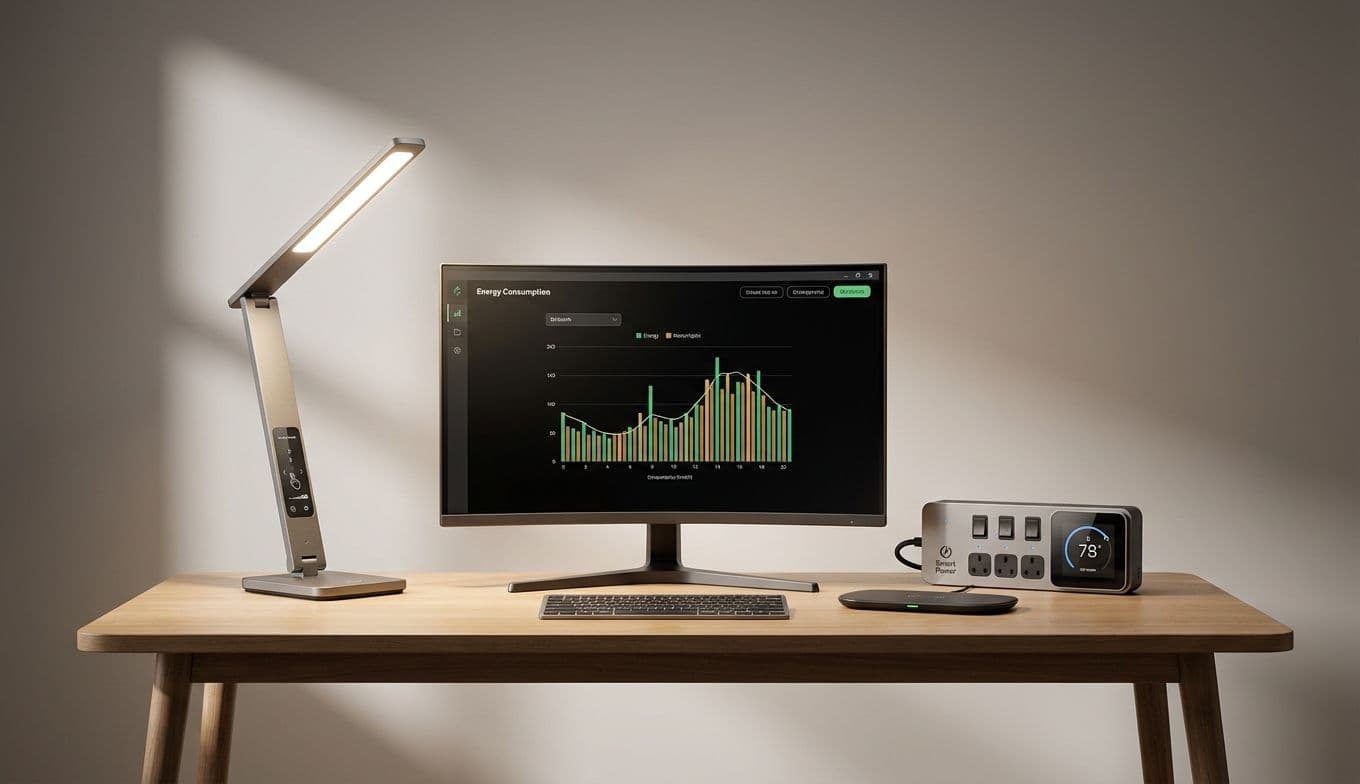
When you’re working 40 hours a week from home, your monitor isn’t just a screen—it’s your primary energy consumer and the biggest factor in your eye health. If you are still using an old, flickering panel from five years ago, you are literally burning money.

For a top-tier upgrade, look at the Dell UltraSharp 32 6K (U3224KB). While it’s a powerhouse for productivity, its real secret is the built-in IPS Black technology and eco-conscious sensors. This monitor features an "Auto-Eco" mode that uses proximity sensors to detect when you’ve stepped away from your desk, instantly dimming or powering down the display. It’s the perfect high-end gift for someone who frequently forgets to hit the power button.
To complement the screen, ditch the overhead recessed lighting that gulps power for the whole room. Instead, opt for a precision task light like the BenQ ScreenBar Halo. Unlike traditional desk lamps, it clips to the top of the monitor and uses an integrated ambient light sensor to adjust brightness levels in real-time. It ensures you have exactly enough light to work without wasting a single watt on empty corners of the room. It’s a "buy it once" product that pays for itself in reduced eye strain and lower utility bills.
Infrastructure That Actually Saves Money
We often overlook the "invisible" energy drain: connectivity. A weak Wi-Fi signal does more than just freeze your Zoom calls; it forces your devices to work overtime. When a laptop or tablet is constantly hunting for a signal or re-syncing background data due to a dropped connection, the battery cycles increase, and the energy draw spikes.
This is where a modern mesh system like the Eero Max 7 becomes a legitimate efficiency tool. By providing a stable, high-bandwidth blanket of coverage, it prevents "background data thrashing"—that cycle where your computer keeps trying and failing to reload heavy cloud files. It’s an ideal gift for the person living in an older home with thick walls where the Wi-Fi signal usually goes to die.
While you’re fixing the digital infrastructure, don’t ignore the physical support. An ergonomic chair isn’t a gadget, but it is an efficiency tool. Why? Because discomfort is the ultimate productivity killer. If you’re spending three hours a day getting up to stretch a sore back, you’re extending your workday and keeping the lights and computer on longer than necessary.
The Herman Miller Embody (specifically the updated 2026 edition) remains the gold standard here. Its pixelated support system distributes weight so effectively that you stay focused longer. If you’re looking for a gift that says "I value your long-term health," this is the one. For a more budget-conscious but equally smart option, the Steelcase Series 2 offers high-level lumbar support with a much smaller carbon footprint in its manufacturing process.
The "Efficiency Gift Guide" Persona Match
Not sure what to get the remote worker in your life? Match the upgrade to their work style:
The Power User: The Dell UltraSharp 32 6K. They need the pixels, but they’ll appreciate the auto-dimming features that keep the home office from feeling like a heat lamp.
The Apartment Dweller: The BenQ ScreenBar Halo. When space is at a premium, this light saves desk real estate and cuts down on the need for energy-heavy floor lamps.
The Constant Traveler: A 100W GaN (Gallium Nitride) Charger like those from Anker’s Prime series. These chargers are significantly more efficient than the bulky bricks that come with laptops, losing far less energy to heat during the charging process.
The Deep-Work Specialist: The Herman Miller Embody. This is for the person who gets lost in code or writing for hours and needs a chair that moves with them to prevent the "3 PM slump."
The Verdict: A Better Way to Work
The IEA’s recommendation to return to remote work might have been born out of a global crisis, but it’s an invitation to do things better this time around. We’ve moved past the era of "making it work" with a laptop on a dining table.
Investing in energy-smart, high-performance office gear isn’t just about being "green"—it’s about professional longevity. When you reduce your energy footprint, improve your posture, and stabilize your connection, you’re creating a workspace that is actually sustainable for the long haul. Whether you’re upgrading your own setup or gifting these tools to someone else, you’re investing in a future where work fits into our lives, rather than the other way around.
The energy crisis is a challenge, but your home office doesn't have to be. Stay home, stay efficient, and let the tech do the heavy lifting for your wallet and the planet.