DJI Romo Hack: Sammy Azdoufal's $30k Discovery & Privacy Guide
Team GimmieTHE VALENTINES DAY SURPRISE NO ONE ASKED FOR
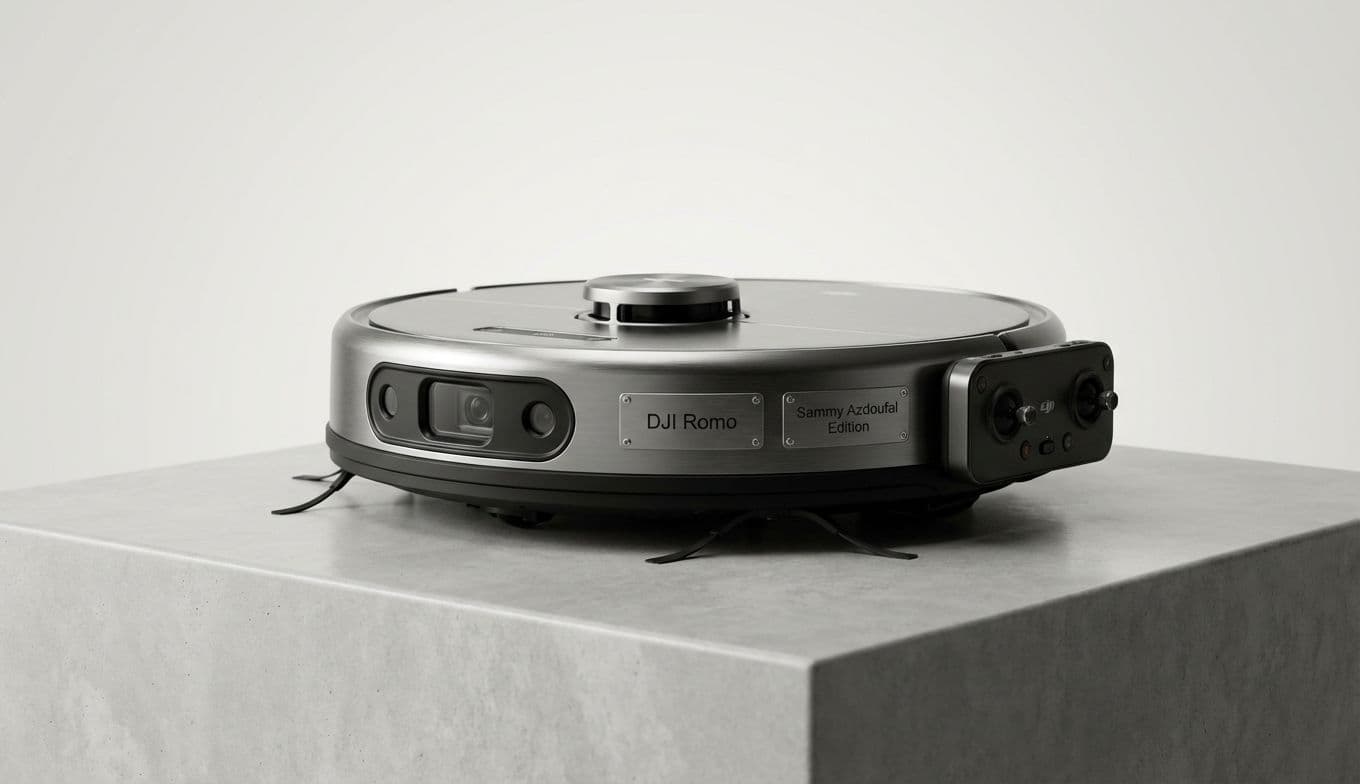
On Valentine's Day, I shared a story that has since spiraled into a global security scandal. It started with a man named Sammy Azdoufal, a PlayStation gamepad, and a brand-new DJI Romo robot vacuum. Sammy wasn't trying to do anything malicious; he just wanted to see if he could steer his cleaning bot like a character in a video game. But instead of just navigating his living room, he accidentally unlocked a digital master key.
Sammy discovered a vulnerability that gave him access to a network of 7,000 other Romo units. He wasn’t just looking at his own floorboards anymore; he could have potentially peered into thousands of private homes. It is the kind of tech nightmare that makes you want to throw your smart devices out the window and go back to a manual broom.
DJI eventually stepped up, reportedly paying Sammy $30,000 for his discovery. While that is a nice payday for him, it is a massive wake-up call for the rest of us. We have reached a point where our convenience-focused gadgets are becoming liabilities. If you are a gift-giver or a home automation enthusiast, you can no longer afford to buy based on flashy features alone. You have to think like a security expert.
THE DJI TRACK RECORD: WHY WE NEED TO BE SKEPTICAL
To understand why this Romo incident is so frustrating, we have to look at DJI’s history. This isn't the first time they have fumbled a security discovery. Back in 2017, a researcher named Kevin Finisterre found a major flaw in DJI's servers, but instead of a smooth "thank you," the situation turned into a legal and PR mess.
DJI messed up before, and that history matters when you are choosing what to put in your home. While they did pay Sammy this time, the fact that a hobbyist with a gaming controller could stumble into 7,000 living rooms suggests that security wasn't baked into the Romo’s DNA from the start.
When a company has a track record of being prickly with security researchers or letting massive holes sit unplugged until they hit the news, that is a signal to you, the consumer. We need to stop rewarding companies that treat security as an afterthought.
THE SMART HOME RED FLAG GUIDE: HOW TO SPOT A PRIVACY DISASTER

When you are browsing for a new gadget, whether it is for yourself or a gift, you need to look past the box's glossy photos. Here are the specific red flags that should make you put the product back on the shelf:
-
THE APP PERMISSION OVERREACH Before you buy, look up the device's companion app on the App Store or Google Play. Check the permissions. Does a robot vacuum app need access to your contacts, your microphone, or your call history? If the answer is yes, and there is no logical reason for it (like voice control features you actually want), it is a data-mining tool disguised as a vacuum.
-
THE CLOUD-ONLY TRAP Many devices require a constant connection to the manufacturer’s servers to function. This is a huge risk. If their servers get hacked—or if a flaw like the Romo’s exists—your data is exposed. Look for devices that offer local processing or local storage. If it can’t work without the cloud, your privacy is entirely in their hands.
-
VAGUE DATA RETENTION POLICIES Check the manufacturer’s website for their privacy policy. Use the find tool to search for words like third parties or partners. If they say they share data with unnamed partners for marketing purposes, they aren't selling you a vacuum; they are selling your home's floor plan to advertisers.
GIFTING SMARTLY: PRIVACY-FIRST ALTERNATIVES
If you are looking for a robot vacuum that won't turn into a spy, you have better options than DJI. You want brands that have built their reputation on data integrity.
I ROBOT (ROOMBA) iRobot has been the gold standard here for a while. They have a very clear stance: your data is yours. They were one of the first to receive the TUV SUD Cyber Security Mark. More importantly, they have a track record of being transparent about what their cameras see and giving users granular control over whether images are ever uploaded to the cloud. When you buy a Roomba, you are paying a premium for the peace of mind that they aren't treating your living room like a data set.
EUFY (LOCAL STORAGE MODELS) Eufy had some public struggles with security in the past, but they have pivoted hard toward local security. Many of their newer models, particularly in their Edge AI line, process all the mapping and obstacle recognition directly on the vacuum itself. The data never leaves the device. If you are looking for a gift that balances price and privacy, a local-storage Eufy model is a much safer bet than a cloud-dependent DJI unit.
THE QUICK GIFT-CHECK: A 30-SECOND SECURITY AUDIT
Before you head to the checkout counter, run through this mental checklist. If the product fails even one of these, keep looking.
Does the box mention encryption? Look for terms like AES-128 or end-to-end encryption. If they don’t brag about it, they probably don't have it.
Is there a physical way to disable the cameras or mics? Some high-end devices now include physical shutters or hardware switches. These are the ultimate privacy guarantees because software can be hacked, but a physical slide cannot.
How long is the security update commitment? Check the fine print or the website. A good company will promise at least 3 to 5 years of security patches. If they don't commit to updates, the device will become a door-stop—or a security hole—the moment the next model comes out.
THE BOTTOM LINE: BUYER BEWARE, BUT DON'T DESPAIR
The DJI Romo incident is a classic wake-up call, but it shouldn't make you give up on smart home tech. These tools can make our lives significantly easier, but only if we remain the ones in charge.
Sammy Azdoufal walked away with $30,000, and DJI hopefully walked away with a lesson in better engineering. For the rest of us, the lesson is even simpler: the most expensive gift you can give is one that costs someone their privacy. Be a skeptical shopper, demand transparency from the brands you support, and remember that a clean floor is never worth a compromised home.