Dell Pro Laptops Guide: Pro 3, 5 & 7 Specs & Release Date

Dell Pro Laptops Guide: Pro 3, 5 & 7 Specs & Release Date

Team GimmieTeam Gimmie
Published on March 25, 2026

Dell’s New Pro Laptops: Decoding the Name Game and Finding the Right Fit

Just when you thought you had Dell’s product catalog figured out, they’ve gone and reshuffled the deck again. Hot on the heels of their Precision workstation refresh, Dell is rolling out a new suite of Pro laptops: the Pro 3, Pro 5, and Pro 7. If you find the naming conventions a bit of a labyrinth, you aren’t alone. It’s a maze, but there is a method to the madness this time around.

While the industry trend has been leaning toward thinner and lighter for years, Dell is making a concerted push to align their professional-grade machines with the latest AI-ready silicon from AMD and Intel. These aren't just incremental refreshes; they represent a shift in how Dell views the "Pro" user. Whether you are shopping for a high-performance gift or upgrading your own mobile office, there is a lot to unpack before these hit the shelves in May.

The Silicon Revolution: Why These Chips Matter

The real story isn’t the thinner chassis—it’s what is running inside them. Dell is offering a choice between AMD’s Ryzen AI 400 series, known by the codename Gorgon Point, and Intel’s Core Ultra Series 3, dubbed Panther Lake.

For the average user, these names might sound like marketing fluff, but for anyone looking to future-proof a purchase, they are significant. These processors are designed with integrated AI capabilities at their core. This doesn’t just mean faster chatbots; it means smarter power management that extends battery life, quicker background noise cancellation on video calls, and better performance-per-watt for demanding applications.

By opting for these newer architectures, you’re buying a machine that is prepared for the next five years of software development. As AI-driven features become standard in Windows 11 and professional creative suites, these laptops will have the dedicated hardware to handle those tasks without slowing to a crawl.

Matching the Machine to the Person: The Gift Personas

Choosing between a Pro 3, 5, or 7 can be daunting. To make it easier, let’s look at who these machines are actually built for. If you’re buying this as a significant gift—perhaps for a graduation or a career milestone—here is how to navigate the lineup.

The Computer Science Student or Software Developer Recipient: The Pro 5 or Pro 7 (14-inch) with Ubuntu Linux. Why it works: Dell is continuing its tradition of offering Ubuntu Linux straight from the factory. For developers, this is a massive win. It means no fiddling with virtual machines or dual-booting to get a native coding environment. It is stable, fast, and secure. The Pro 5 offers the right balance of thermal headroom and portability for long coding sessions in the library or a coffee shop.

The Remote Executive and Frequent Traveler Recipient: The Pro 7 (13-inch 2-in-1). Why it works: The Pro 7 is the crown jewel of the lineup, especially the 2-in-1 convertible variant. It’s designed for the person who spends their life in airports and boardrooms. The ability to flip the screen into tablet mode for signing documents or giving a presentation—combined with the ultra-thin design—makes it a top-tier professional tool that doesn't feel like a lead weight in a briefcase.

The Entry-Level Professional or Generalist Recipient: The Pro 3 (14-inch or 16-inch). Why it works: Not everyone needs a convertible screen or top-of-the-line AI acceleration for 4K video editing. The Pro 3 is the workhorse of the family. It’s built for the person who needs a reliable, modern machine for heavy multitasking, large spreadsheets, and endless Zoom calls without the premium price tag of the Pro 7 series.

The Thinner Design Trap: What You Might Lose

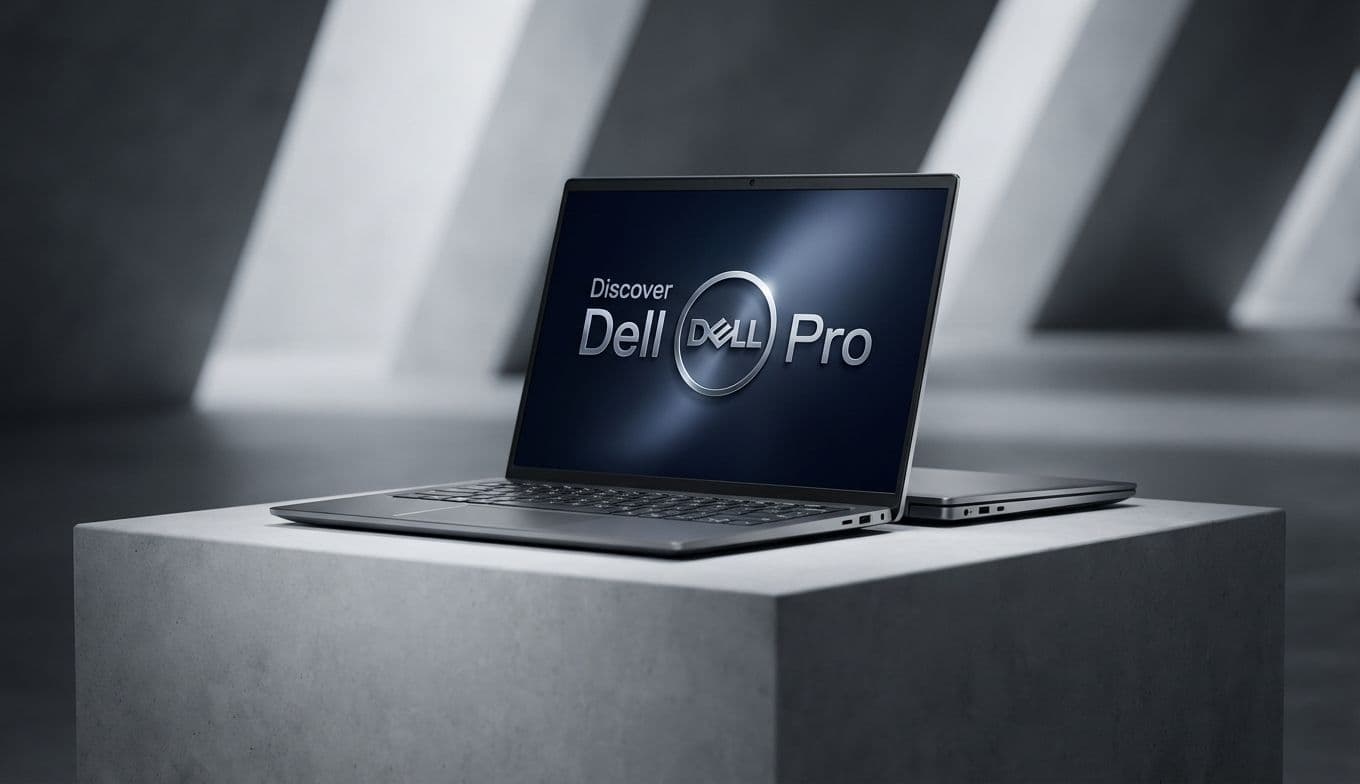
Dell is touting these new designs as their thinnest Pro models yet. While a sleek profile looks great on a desk, it usually comes with a technical tax that buyers need to be aware of.

When a laptop gets significantly thinner, the first thing to go is the port selection. If you are buying for someone who isn't a tech enthusiast, you need to warn them about "dongle life." In these slimmer chassis, you can almost guarantee the disappearance of legacy ports. You should expect to lose the full-size USB-A ports (the rectangular ones for older thumb drives and mice), the dedicated Ethernet port for wired internet, and the full-size SD card slot used by photographers.

Furthermore, thinner designs have less physical space for fans and heat sinks. While the new chips from Intel and AMD are more efficient, they still generate heat under heavy loads. If the recipient plans on doing intensive video rendering or 3D modeling, we will have to wait for May’s real-world benchmarks to see if these machines throttle their performance to keep from overheating.

Can’t Wait Until May? Buy These Instead

If you need a laptop today and can’t wait for the May release window, you don’t have to settle for a subpar machine. Dell already has some stellar options that are currently available and battle-tested.

For the Premium Experience: The Dell XPS 13 or 15. The XPS line remains the gold standard for Windows ultrabooks. If you want the thin-and-light aesthetic right now with a world-class display, the current XPS models are a safe bet. They offer incredible build quality and are frequently on sale as retailers prepare for the new Pro arrivals.

For the Enterprise Workhorse: The Dell Latitude 5000 or 7000 Series. If you need reliability and a better port selection, the current Latitude lineup is the way to go. These are the spiritual predecessors to the new Pro line and offer many of the same business-grade security features and robust keyboards that Dell is known for.

The Verdict: A Promising Shift

Dell’s rebranding to the Pro 3, 5, and 7 series is a clear attempt to simplify a confusing product stack, and for the most part, it works. The inclusion of the latest AI-ready silicon from both AMD and Intel shows that they are looking toward the future of computing.

However, the lack of firm pricing and the uncertainty around thermal performance in such thin designs means that a bit of caution is warranted. If you can wait until May, the reviews will tell the full story. But if you are ready to jump in, focus on the persona that fits your needs. Whether it's the Linux-ready Pro 5 for a budding developer or the sleek Pro 7 2-in-1 for a mobile executive, Dell is clearly aiming to reclaim its spot at the top of the professional laptop mountain.